The reliability of any electrical appliance depends heavily on the quality of its connection to the energy grid, and the PVC Power Cord remains the industry standard for achieving this stability. Specifically, when discussing the Brazil 2 Pin 3 Pin AC Power Cord, the focus shifts to a highly specialized design that meets the unique NBR 14136 standards. This power solution is not merely a wire but a complex assembly featuring a black flame-retardant plastic casing and precision-engineered metal pins. By utilizing high-grade polyvinyl chloride (PVC) for insulation, these cords offer a balance of flexibility, durability, and safety that is required for both high-drain industrial tools and sensitive household electronics.
What Are the Technical Specifications of the Brazil 2 Pin 3 Pin AC Power Cord?
Understanding the physical construction of a PVC Power Cord is vital for ensuring it meets the power demands of the connected device. The following table provides a breakdown of the key components and materials used in the standard Brazilian configuration.
|
Component
|
Technical Detail
|
|
Primary Insulation
|
High-Grade PVC Power Cord Material
|
|
Plug Standards
|
Brazil 2 Pin 3 Pin AC Power Cord (NBR 14136)
|
|
Casing Material
|
Black Flame-Retardant Plastic
|
|
Pin Composition
|
Copper Alloy with Nickel Plating
|
|
Conductivity Feature
|
High Electrical Efficiency & Low Resistance
|
|
Protection Rating
|
Corrosion Resistant & Heat Resistant
|
|
Application Scope
|
Domestic Appliances, IT Equipment, Industrial Tools
|
How Does the Black Flame-Retardant Casing Enhance Operational Safety?
Safety is the paramount concern in the engineering of a PVC Power Cord. The outer shell of the plug serves as the first line of defense against electrical hazards and environmental stress.
Why is Flame-Retardant Plastic Used in Power Plugs?
The use of a black flame-retardant plastic casing in the Brazil 2 Pin 3 Pin AC Power Cord is a deliberate safety choice. In the event of an internal short circuit or an external heat source, this material is designed to self-extinguish or resist ignition. This prevents a minor electrical fault from escalating into a major fire hazard. The chemical composition of the plastic ensures that it maintains its structural integrity even when exposed to elevated temperatures, protecting the user from accidental contact with live internal components.
Does the Casing Design Protect Against Physical Impact?
The durability of a PVC Power Cord is tested through daily use—tugging, bending, and accidental drops. The rugged housing of the Brazil 2 Pin 3 Pin AC Power Cord is molded to absorb mechanical shocks. This robust construction ensures that the internal connections between the wire and the pins remain secure, preventing the intermittent power supply or "arcing" that can damage expensive electronics.
What Makes Nickel-Plated Copper Alloy Pins Superior for Conductivity?
The performance of a Brazil 2 Pin 3 Pin AC Power Cord is determined at the point of contact. The three metal pins are the most critical part of the interface between the device and the wall socket.
How Does Copper Alloy Improve Electrical Performance?
Copper is renowned for its excellent electrical conductivity. By using a copper alloy for the pins in a PVC Power Cord, engineers ensure that there is minimal voltage drop across the connection. This efficiency is crucial for high-power appliances like refrigerators or heaters, where high resistance could lead to overheating at the plug interface. The alloy provides the necessary hardness to ensure the pins do not bend or deform over years of insertion and removal cycles.
Why is Nickel Plating Essential for Corrosion Resistance?
Standard copper can oxidize when exposed to humidity, leading to a layer of non-conductive residue on the pins. The pins in the Brazil 2 Pin 3 Pin AC Power Cord are crafted with nickel plating to combat this. Nickel provides a protective barrier that is highly resistant to corrosion and oxidation. This ensures that the PVC Power Cord maintains a "like-new" contact surface, guaranteeing a safe and stable power supply throughout the entire lifespan of the product, even in the humid climates often found in many regions of Brazil.
How is the PVC Power Cord Tailored for the Brazilian Market?
The Brazilian electrical landscape has specific requirements that make the Brazil 2 Pin 3 Pin AC Power Cord unique compared to European or North American standards.
Is the Cord Compatible with NBR 14136 Standards?
The PVC Power Cord designed for this market must strictly adhere to the hexagonal plug shape and pin spacing defined by Brazilian law. The Brazil 2 Pin 3 Pin AC Power Cord ensures perfect alignment with recessed wall sockets, which is a key safety feature intended to prevent children or users from touching the pins while they are partially energized during insertion. This precision molding is a hallmark of high-quality PVC manufacturing.
Can the PVC Jacket Withstand Brazilian Environmental Conditions?
Polyvinyl Chloride is chosen for the PVC Power Cord because of its versatile environmental resistance. Whether used in high-altitude dry regions or coastal areas with high salt content, the PVC jacket remains flexible and does not crack. This flexibility is essential for the Brazil 2 Pin 3 Pin AC Power Cord, as it allows for easy routing behind furniture and tight spaces without compromising the internal copper wiring.
Why Should Users Prioritize a 3-Pin Configuration Over 2-Pin?
While both Brazil 2 Pin 3 Pin AC Power Cord options exist, the choice between them involves fundamental differences in appliance grounding.
What is the Function of the Third Grounding Pin?
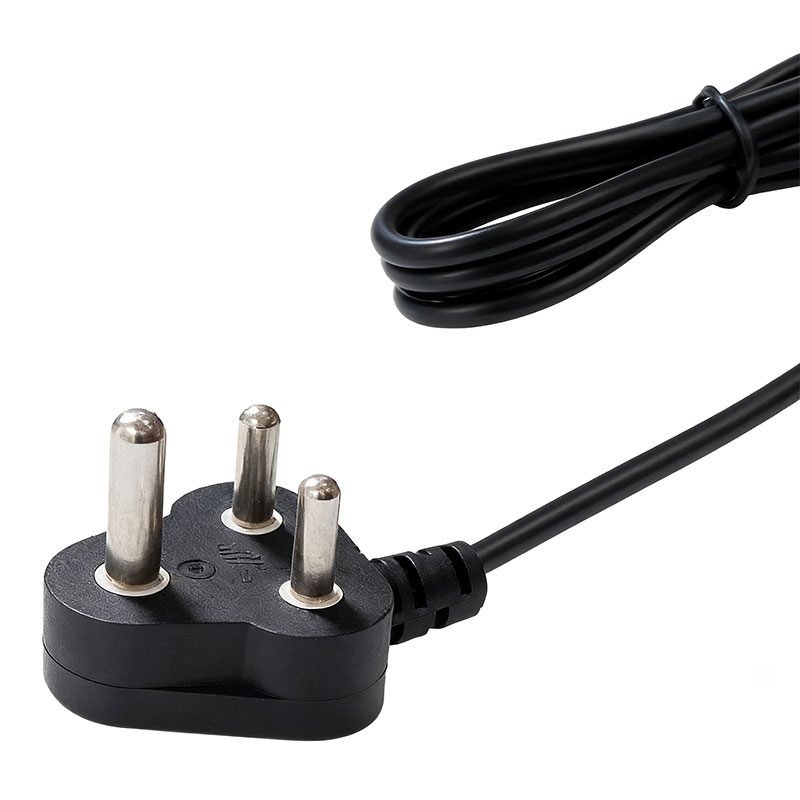
In a PVC Power Cord with a 3-pin setup, the central pin is dedicated to grounding. This is a critical safety mechanism for appliances with metal housings. If an internal wire comes loose and touches the metal exterior, the 3-pin Brazil 2 Pin 3 Pin AC Power Cord directs the dangerous current safely into the earth, preventing the user from receiving a lethal electric shock.
When is a 2-Pin AC Cord Sufficient for Safety?
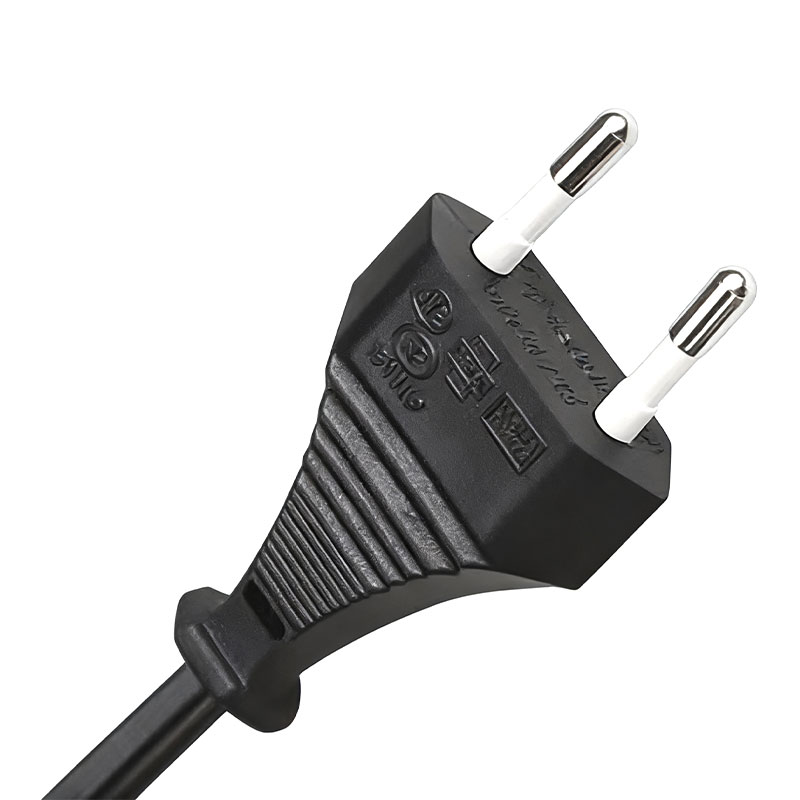
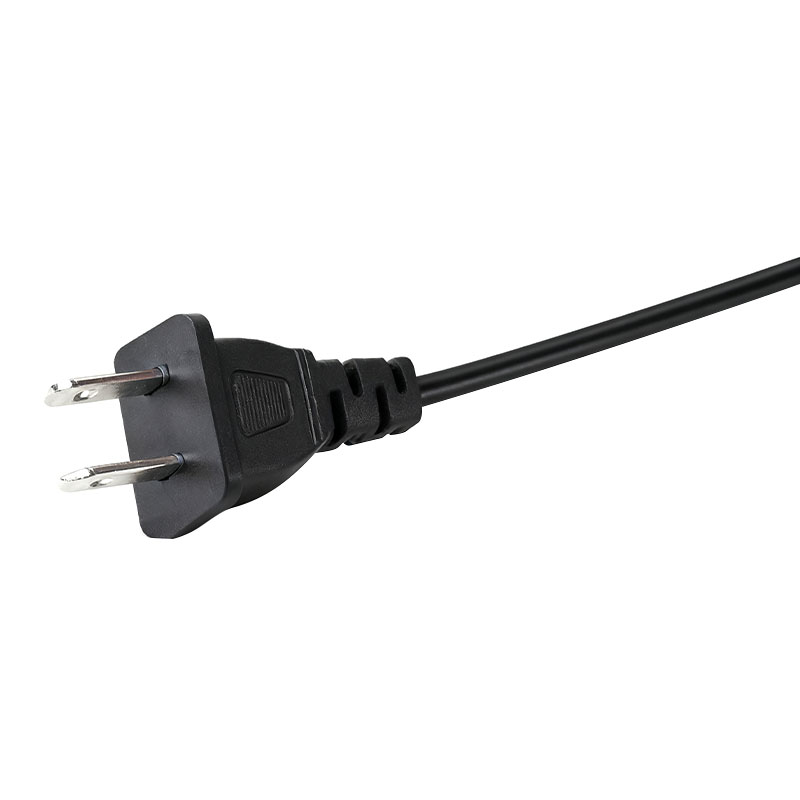
The 2-pin version of the Brazil 2 Pin 3 Pin AC Power Cord is typically reserved for "double-insulated" appliances. These devices are designed such that no single failure can result in dangerous voltage becoming accessible. For these smaller electronics, the PVC Power Cord remains lightweight and cost-effective while still providing the same flame-retardant and corrosion-resistant benefits found in the larger 3-pin models.
How Does the Production Process Ensure Stable Power Supply?
The manufacturing of a PVC Power Cord involves sophisticated molding and testing phases to ensure every unit can handle its rated current.
Are the Internal Conductors Properly Calibrated?
Inside the PVC Power Cord, the gauge of the copper wire is meticulously matched to the intended current (Amps) of the Brazil 2 Pin 3 Pin AC Power Cord. Using undersized wire would lead to heat buildup within the PVC jacket. High-quality production ensures that the wire cross-section is consistent throughout the length of the cord, eliminating "hot spots" that could lead to insulation failure.
How are the Plug and Cord Integrated for Strength?
The "strain relief" section—the part where the cord enters the plug—is a vital engineering detail. In a high-quality Brazil 2 Pin 3 Pin AC Power Cord, the PVC Power Cord is over-molded with the plug body. This creates a single, unified piece of plastic that prevents the cord from being pulled out of the plug terminals. This integration is essential for maintaining a stable power supply during the rigorous handling typical in industrial and commercial environments.
What Maintenance is Required for a PVC Power Cord?
Despite its rugged construction, simple maintenance can extend the life of a Brazil 2 Pin 3 Pin AC Power Cord.
Should Users Inspect the PVC Jacket Periodically?
Over time, exposure to UV light or chemical cleaners can affect any PVC Power Cord. Users should periodically check for any discoloration or stiffness in the cord. Because the Brazil 2 Pin 3 Pin AC Power Cord is often used in kitchens and workshops, keeping the cord clean of oils and greases helps preserve the chemical properties of the flame-retardant casing.
Is Cleaning the Nickel-Plated Pins Necessary?
While the nickel plating on the Brazil 2 Pin 3 Pin AC Power Cord is designed to prevent corrosion, dust and debris can still accumulate between the pins. A simple wipe with a dry cloth ensures that the PVC Power Cord makes a firm, low-resistance connection with the wall outlet, which is the best way to prevent heat buildup and ensure a long-lasting, safe electrical connection.
How Does the PVC Power Cord Support Diverse Appliance Types?
From computers to heavy-duty kitchen equipment, the versatility of the Brazil 2 Pin 3 Pin AC Power Cord makes it the backbone of modern connectivity.
Is the Cord Suitable for High-Temperature Kitchen Environments?
In the kitchen, a PVC Power Cord often sits near stoves or ovens. The flame-retardant properties of the black plastic casing on the Brazil 2 Pin 3 Pin AC Power Cord provide peace of mind. The PVC insulation is rated for specific thermal thresholds, ensuring that the power supply remains stable even when the ambient temperature rises.
How Does the Cord Accommodate IT and Office Equipment?
For sensitive electronics like servers or desktop computers, the Brazil 2 Pin 3 Pin AC Power Cord provides a noise-free, stable connection. The high-quality copper alloy pins ensure there is no micro-arcing that could cause data corruption or hardware resets. In these settings, the PVC Power Cord is often bundled with others, and its smooth exterior helps prevent tangling and allows for organized cable management.


 English
 русский
 Español
 عربى
عربى

 Custom Electric Heater Components Manufacturers