

 English
 русский
 Español
 عربى
عربىDon't hesitate to send a message

What Gauge Extension Cord for Refrigerator? Safe AWG Guide for Homeowners
Content
- 1 What matters when sizing a refrigerator extension cord
- 2 Understanding AWG ratings and why lower is thicker
- 3 Why voltage drop is the hidden risk
- 4 How the cord length changes the recommendation
- 5 Safety requirements for refrigerator extension cords
- 6 When an extension cord should not be used at all
- 7 What to look for when buying a refrigerator extension cord
- 8 Special considerations for garage refrigerators
- 9 Realistic expectations and long-term maintenance
- 10 Conclusion and best choice for your home
- 11 Choosing the right household extension cord for your refrigerator
- 12 What model numbers and specifications on extension cords mean
- 13 Using a extension cord with a refrigerator in a new installation
- 14 A final note on product quality and manufacturer testing
- 15 Specifications that reduce risk across different refrigerators
- 16 Common mistakes when selecting a refrigerator extension cord
- 17 Product recommendations for your refrigerator extension cord
If a refrigerator has to run from an extension cord, 14 AWG is the minimum starting point, and 12 AWG is the safer choice in most situations. The exact gauge depends on the refrigerator's running current, its startup surge, the length of the cord, and the circuit rating. Before you buy, reduce the decision to this: choose the shortest cord with the thickest wire that still fits the outlet.
What matters when sizing a refrigerator extension cord
A refrigerator is not a simple constant-resistance load. It has two distinct electrical phases that affect the extension cord differently: the steady running draw and the compressor startup surge.
A typical U.S. household refrigerator may be rated between 4 and 8 amps at 120 volts when the compressor is running. That steady current is modest. The problem is the first two or three seconds after the compressor starts. The locked-rotor current can be three to five times the running current, sometimes reaching 20 to 30 amps on a small unit. A 14 AWG extension cord rated for 15 amps can handle that brief surge under ideal conditions, but a 12 AWG cord gives more voltage margin so the motor has a better chance of starting quickly and cleanly.
Keep in mind that the circuit breaker is another distinct variable. Refrigerators are often placed on a 15 amp branch circuit, and some builders use a 20 amp circuit for the kitchen. Your extension cord's ampacity must match the circuit's overcurrent protection. A 14 AWG cord is acceptable on a 15 amp circuit. On a 20 amp circuit, a 12 AWG cord is the correct length-safe choice if you decide to use one at all.
The refrigerator's nameplate tells you the minimum electrical requirements. Look for the current draw in amps or the VAC/Hz rating. Use that as your baseline. If a refrigerator draws 6.5 amps at 120 volts and the startup surge is 22 amps, a 12 AWG extension cord should be used for any run over a few feet.
Understanding AWG ratings and why lower is thicker
AWG stands for American Wire Gauge. Lower numbers mean thicker conductors. A 10 AWG cord is thicker than a 12 AWG cord, which is thicker than a 14 AWG cord. Thicker copper has lower electrical resistance, which directly reduces voltage drop.
This table gives a quick reference for standard copper three-conductor extension cords at 75 degrees Celsius. These are general ampacity values, not maximum lengths.
| AWG size | Nominal ampacity | Typical use |
|---|---|---|
| 14 AWG | 15 amps | Short runs, small appliances |
| 12 AWG | 20 amps | Refrigerators, power tools, medium-duty home use |
| 10 AWG | 30 amps | Long distance runs, heavy equipment |
A 16 AWG or 18 AWG cord is not appropriate for a refrigerator. Even though the running current may be under 10 amps, the startup surge and the need for a stable voltage make those thin wires a poor fit.
When you read an extension cord label, look for all of these values: the wire gauge, the ampacity, the voltage rating, and whether the cord is a three-conductor grounded type. For a refrigerator, you need a three-conductor cord: two current-carrying conductors plus a grounding conductor.
Every conductor has resistance. When current flows, the voltage at the refrigerator's end is lower than the voltage at the outlet. This difference is called voltage drop. Longer cables and thinner wires increase voltage drop.
Voltage drop during a compressor startup is especially serious. A refrigerator motor needs a minimum voltage to produce enough starting torque. If the voltage dips too low, the compressor may fail to start, draw even more current, and eventually trip the breaker or damage the starter components. In practice, some technicians plan for less than 3 percent voltage drop at the load.
Let's use a simplified example. Suppose a refrigerator draws 12 amps during a start event. A 12 AWG copper conductor has about 0.0019 ohms per foot. For a 25-foot extension cord, the total conductor length is 50 feet (both live and return wires), so the resistance is about 0.095 ohms. The voltage drop is:
12 amps x 0.095 ohms = 1.14 volts.
That is acceptable. Now use a 16 AWG cord of the same length. The resistance is about 0.0041 ohms per foot, giving a total resistance of 0.205 ohms. The voltage drop becomes:
12 amps x 0.205 ohms = 2.46 volts.
That is still under 5 percent, but the high startup current is only one part of the problem. The cord can also heat up under sustained load, and when you add loose connections or a worn outlet, the contact resistance multiplies. Thicker wire gives you a real safety margin.
Another practical effect is that the refrigerator's control board may behave unpredictably if the voltage sag is too severe. Some modern refrigerators have electronic controls and variable-speed compressors. These systems can go into a fault mode when the line voltage is unstable.
How the cord length changes the recommendation
Length is not an independent variable. It multiplies the effect of resistance. A 10-foot extension cord is not the same situation as a 50-foot cord, even if the fridge is identical.
For a refrigerator, I recommend keeping any extension cord as short as possible, ideally under 15 feet. If you can move the refrigerator closer to the wall outlet, do that. If you need a 25-foot cord, use at least 12 AWG. At 50 feet, consider a 10 AWG cord or, better yet, have an electrician install a dedicated outlet near the refrigerator.
Use this as a practical rule of thumb for a standard 120 volt refrigerator circuit:
- Under 10 feet: 14 AWG is allowed if the total load is within the cord's ampacity, but 12 AWG is still a better choice.
- 10 to 25 feet: 12 AWG is the safe choice.
- 25 to 50 feet: 10 AWG is preferred, especially if the refrigerator is in a garage where cold conditions can increase startup torque.
- Over 50 feet: Stop and install a dedicated circuit. No extension cord is a good long-term solution here.
These are not exact engineering limits for every model. They are conservative guidelines to protect the compressor and reduce the chance of overloaded connection points.
Safety requirements for refrigerator extension cords
A refrigerator is an appliance that runs continuously and draws a heavy motor load. The extension cord therefore needs to respect several safety criteria.
Three conductor with grounding. Never use a two-prong cord or an adapter that removes the grounding pin. The refrigerator chassis must be bonded to ground. A three-prong cord with a three-prong plug and receptacle creates a safe path for leakage current and prevents shock hazards.
Proper insulation and outdoor rating. If the refrigerator is in a garage, a basement, or near an exterior wall, the extension cord can be exposed to concrete, moisture, and temperature extremes. Choose an outdoor-rated cord marked with a "W" designation or a weather-resistant jacket. A bright orange cord also makes the cable easier to see and less likely to be tripped over.
UL listing or equivalent certification. Look for a UL label or an ETL mark. This confirms the cord was tested for ampacity and end-conductor heating.
No damaged ends. Check the plug and the molded connector. A loose plug in the wall outlet can arc over time, causing heat buildup. If the plug is split or the conductors show through the insulation, discard the cord.
No daisy-chaining. Do not connect two extension cords in series. The voltage drop adds, and the connection between the two cords is an extra failure point. Some homeowners try to extend a cord by plugging two shorter cords together. That practice should be avoided.
Another overlooked risk is the pinching and crushing of the cord behind the refrigerator. A coiled cord behind a heavy appliance can have a loop that traps heat. Leave space for the refrigerator to move, and route the cord where it will not be walked on.
When an extension cord should not be used at all
An extension cord is always a temporary solution for a refrigerator. The safest permanent configuration is a dedicated appliance branch circuit from the panel to a grounded wall outlet near the refrigerator. That gives the compressor a stable voltage and avoids the additional connection resistance introduced by an extension cord.
If you are designing a new garage or adding a refrigerator in a finished basement, do not rely on a long extension cord. Have a licensed electrician install a 15 amp or 20 amp circuit. That is the correct approach for a critical motor load.
There are also situations where an extension cord should never be used. For example, if the refrigerator is placed in a wet location, such as next to a utility sink or a sump pit, a standard extension cord is unsafe. Outdoor-rated cords may be drip resistant, but they are not waterproof. In those cases, hardwire a weatherproof receptacle in a GFCI-protected circuit.
Beware of using a high-amperage extension cord to power several appliances from one outlet. A 12 AWG cord rated for 20 amps may be plugged into a 15 amp circuit. If you then connect a refrigerator, a microwave, and a space heater on the same multi-plug cord, the circuit will reach its limit. Give the refrigerator its own electric path, or at least ensure nothing else shares that plug.
What to look for when buying a refrigerator extension cord
By now you know the core specs, but the store is full of choices. Read the product label or the carton for these details.
- Wire gauge: 12 AWG or 10 AWG for most refrigerator needs.
- Conductors: 3-prong, 3-conductor grounded extension cord with a grounded plug.
- Voltage rating: 125 volts or 125/250 volts.
- Ampacity: at least 15 amps, ideally 20 amps if the circuit supports it.
- Marking: UL listed or ETL listed. Outdoor rated if the cord will be in a garage or exposed environment.
- Length: buy the shortest length that reaches the outlet, not the longest.
Multi-plug household extension cords are convenient when you have more than one device that needs power. For a refrigerator, however, a single-outlet heavy-duty cord is simpler and safer. If you choose a multi-output cord, use it only for the fridge and avoid plugging other appliances into the same cord.
Choosing a cord from an existing manufacturer with a proven production line can also make it easier to find the specific rating you need. For sensitive motor loads, a durable grounded outdoor cord is a common recommendation. For more on real-world application contexts, see our guide on extension cord use for various electrical appliances.
Special considerations for garage refrigerators
Garages are a common location for a second refrigerator. In a garage, the ambient temperature can get below freezing in winter and very hot in summer. Both extremes affect motor starting.
At cold temperatures, compressor oil thickens and the motor may need more current to begin turning. At high temperatures, the compressor cooling is less effective, and the sustained current may climb slightly. An extension cord in a garage also has to survive more physical abuse: being walked over, hit by tools, and exposed to humidity and temperature swings.
Therefore, a garage refrigerator should be treated as a more demanding load than a kitchen refrigerator. Choose a 12 AWG minimum cord, preferably a 10 AWG if the distance is more than 25 feet. Select a weather-resistant outdoor cord with a thick jacket. Avoid light-duty household cords that are made for lamps or holiday decorations.
Realistic expectations and long-term maintenance
Even a correct extension cord is not a permanent installation. After a few months, inspect the cord and the outlet for signs of heat damage. Discoloration on the plug or on the outlet face is a warning sign. If the plug feels warm when the refrigerator is running, the connection is too weak. Remove the cord and call an electrician.
Periodically check the cord for cracks in the jacket. If the insulation is brittle, replace it. A refrigerator runs for thousands of hours per year. Even a low level of heat from a high-resistance splice can eventually cause a failure.
If you are using an extension cord because the original outlet is on a different circuit that also supplies lights or computers, be aware of nuisance trips. A refrigerator starting can cause a brief voltage dip that might make LED lamps flicker. This is another sign of voltage drop.
Conclusion and best choice for your home
Start with the refrigerator nameplate. Then measure the exact distance to the outlet. Then decide on the shortest cord that avoids being taut. If the cord is under 25 feet and you want a reliable margin, 12 AWG is the best balance of weight, flexibility, and voltage stability. If the distance is longer, 10 AWG is the correct upgrade.
Remember that extension cords are temporary tools, not permanent wiring. If you find yourself depending on a cord every day, budget for a new outlet installation. That cost is lower than replacing a damaged compressor or, worse, dealing with a fire that starts from an overloaded cord.
For a practical purchase, look for heavy-duty grounded extension cords from manufacturers that specialize in power connection products. A weather-resistant outdoor cord with grounded protection is a good option for a garage fridge.
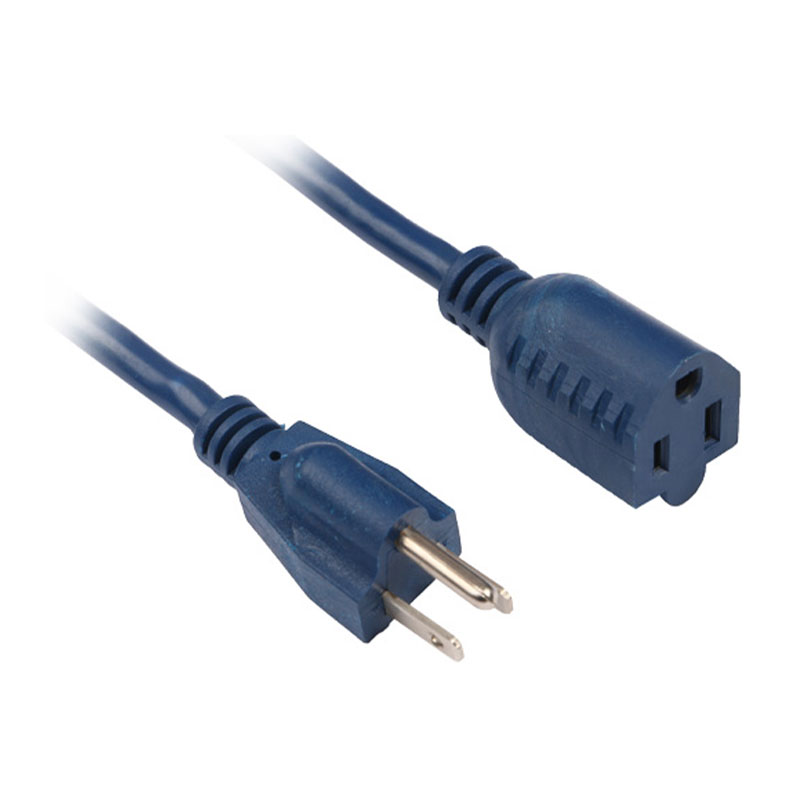 Durable Orange Outdoor Extension Cord with Grounded Protection FP-672FP-672 Durable Orange Outdoor Extension Cord with Grounded Protection is a versatile power solution engineered for both indoor and outdoor use. Its bright orange PVC c...View Product →
Choosing the right household extension cord for your refrigerator
If you need a cord for a kitchen or a climate-controlled room, an American standard household multi-outlet extension cord can provide enough outlets, but you should still select a 12 AWG grounded version. Pay attention to the built-in switch. A cord with an inline switch gives you a convenient disconnect point, but it also introduces an additional switch contact. Make sure the switch is rated for the refrigerator's current draw.
A multi-outlet cord should not be used as a way to power a refrigerator and a freezer on the same extension cord unless the cord is rated for the combined load and the circuit can handle it. Refrigerators and freezers are separate motor loads, and each consumes surges that slowly add to the total ampere demand.
For this reason, some users deliberately avoid multi-outlet cords for motor-driven appliances and choose a single-outlet cord. The fewer contact points, the lower the risk of a voltage drop at a connection.
What model numbers and specifications on extension cords mean
When you look at a cord's specification, you may see something like "12 AWG 3C SJTW 20A 125V." That tells you a lot.
The "12 AWG" is the conductor size. The "3C" means three conductors. The "SJTW" is a common jacket type: S for service, J for junior cable (600 volts or less), T for thermoplastic, and W for weather resistant. This cord is designed for a 20 amp load on a 125 volt circuit, and can safely be used in an outdoor or damp location. A cord with a similar rating in cold conditions might use a different letter, but for a garage refrigerator, the "W" in SJTW is exactly what you want to look for.
If the label says "14/3" or "16/2," you can infer that the cord is not appropriate for a refrigerator. In particular, anything with "16/2" is a two-conductor lamp cord. Avoid it.
Using a extension cord with a refrigerator in a new installation
Plan the location of the refrigerator before the final concrete is poured or the drywall is closed. If you can position the outlet within the manufacturer's recommended power cord length, you will never need an extension cord. Most refrigerators come with a 6- to 8-foot cord. If the outlet is on a nearby wall, the factory cord is already present and safe.
If the outlet is blocked by a cabinet or a wall, the temptation is to add an extension cord. Instead, install a recessed outlet box or move the outlet. This small investment avoids all of the practical and safety issues described above.
A final note on product quality and manufacturer testing
Production quality matters in extension cords. A cheap cord may use under-sized conductors, weak strain relief, and thin insulation. Those components degrade faster when carrying motor loads. A manufacturer that builds cords for export markets understands that voltage standards, plug types, and environmental ratings vary by country. For our own product catalog, we apply the same quality controls to power cords and heating elements, because both depend on stable electrical parameters.
If you buy an extension cord from a source that also supplies industrial heating components, you can usually expect that the cord will be tested under actual load conditions. This is particularly useful for buyers who need reliable electrical accessories for OEM or aftermarket applications.
Specifications that reduce risk across different refrigerators
There are refrigerators that draw a little less than 1 amp in standby mode, and there are large side-by-side models that draw more than 8 amps while running. When you choose a cord, the only safe way to cover all models is to size for the worst-case startup current of your particular brand and model.
If your refrigerator is an inverter compressor model, the startup current may be much lower than a conventional unit. That may make a 14 AWG cord acceptable. But if you are unsure, do not take that risk. The price difference between a 14 AWG and a 12 AWG cord is small compared to the cost of repairing or replacing a refrigerator after a power failure. If there is a question, the thicker cord is the answer.
Common mistakes when selecting a refrigerator extension cord
One common mistake is buying a cord based on the number of outlets or the color, without checking the ampacity. Another is using a lamp cord as a permanent cord behind a refrigerator. A lamp cord is designed for a resistive load like a light bulb, not for a motor with a repetitive starting surge.
Another mistake is to use a long 14 AWG cord for a 20 amp refrigerator circuit. The cord may be built to handle 15 amps, and the circuit breaker may be 20 amps. A short circuit inside the refrigerator could deliver 20 amps through a limit that is only 15 amps. The length of the extension cord changes the total impedance but is not an exact scientific answer. To keep the protection chain simple, put a 12 AWG cord on a 20 amp circuit whenever possible.
If you have a 15 amp circuit, a 12 AWG cord is still better than a 14 AWG cord because it reduces the voltage drop and gives you the 20A headroom for the compressor start.
For a deeper look at cable selection principles in a different context, you may find this article useful: how to select the right power cord for industrial applications.
Product recommendations for your refrigerator extension cord
If you are looking for a cord that handles the rough conditions of a garage or a dedicated appliance in a workshop, choose a heavy-duty multi-outlet extension cord with a grounded jacket. These are available with bright orange or weather-resistant jackets and are designed for temporary indoor and outdoor power use. In addition, a heavy-duty US plug extension cord with three outlets can connect the refrigerator and a portable power tool if needed, but do not overload it.
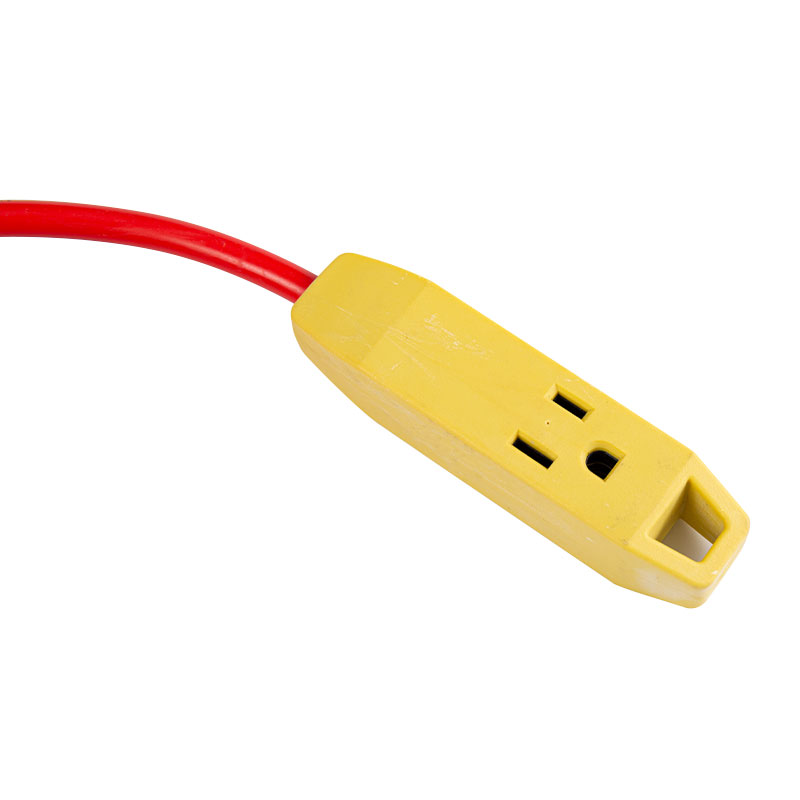 Heavy-Duty Multi-Outlet Extension Cord for Temporary Indoor and Outdoor Power FP-696,FP-69This Heavy-Duty Multi-Outlet Extension Cord for Temporary Indoor and Outdoor Power is designed to deliver safe, convenient power extension with enhanced visibility. Fe...View Product →
For a household layout with multiple devices, an American standard multi-outlet household extension cord is another option. It is best suited for controlled indoor environments where the refrigerator shares a dedicated circuit.
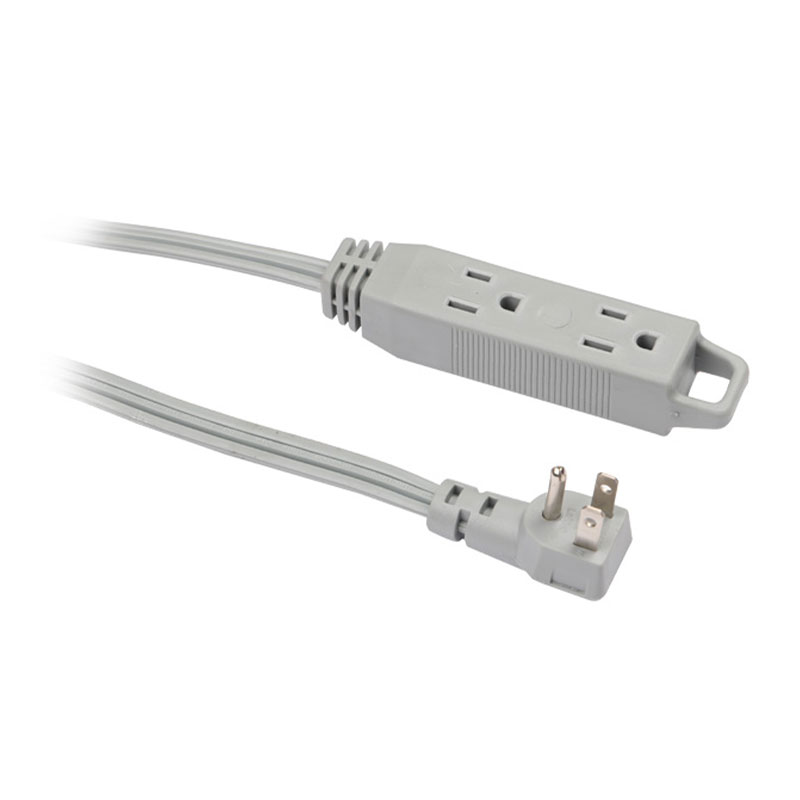 The American Standard Household Multi-Outlet Extension Cords FP-694,FP-698The American standard household multi-outlet extension cords are engineered to solve the challenge of limited power access. With a two-prong US plug (compatible with s...View Product →
All three options should be evaluated by the label specs before you buy. Never rely on the packaging photo alone.
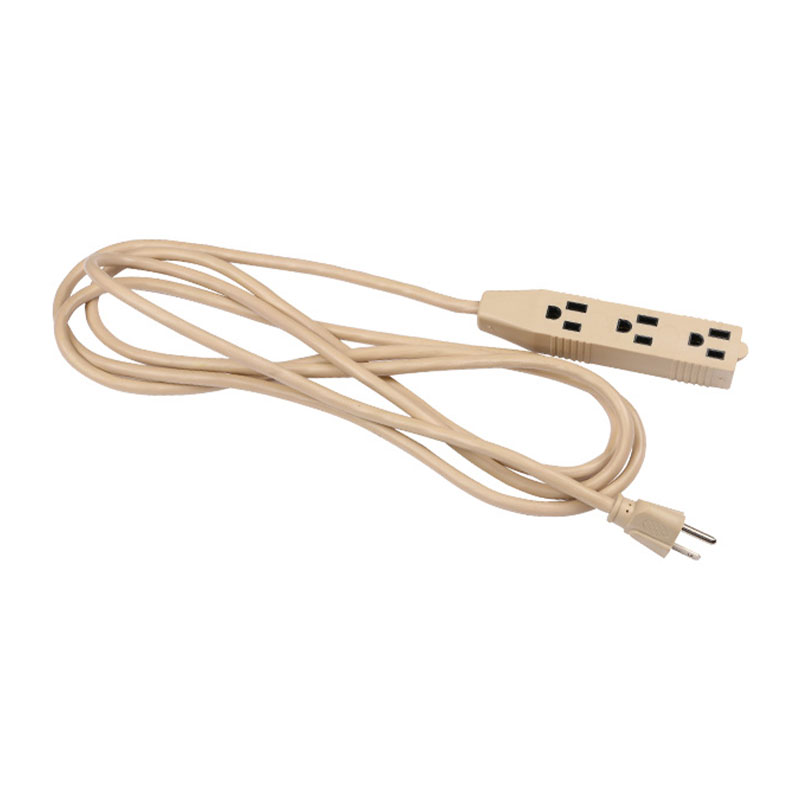
Latest Updates
Provide You With The Latest Enterprise
Provide You With The Latest Enterprise
and Industry News.
We will continue to focus on the intelligent temperature control field and serve global users with technical concepts of "safer, more energy-efficient and more environmentally friendly".
-
Industry News
The Ultimate Guide to Immersion Water Heaters: From Portable Heating to Safety Best Practices
11
Feb 2026
Be the First to Know
For exclusive deals and latest offers, sign up by entering your email address below.
-

Provide one-stop service from design optimization, process improvement to volume delivery.
-
Quick Links
Home Products About Us Advantages Application News Contact Us -
Products Categories
Immersion Water Heater Extension Cord Power Strip Power Cord Heating Element Hot Plate Magnesium Anode Rod Electrical Water Heater Stem Thermostat -
Contact Information
Add : Feida Industrial Park , Houxiang Town, Danyang City , Jiangsu Province ,China
E-mail: gm@cnfpdq.com
Tel: +86-13306103666
Fax: +86-511-86321126
Copyright © 2025 by Danyang Feipeng Electrical Appliance Co., Ltd. All Rights Reserved.
 Custom Electric Heater Components Manufacturers
Custom Electric Heater Components Manufacturers