

 English
 русский
 Español
 عربى
عربىDon't hesitate to send a message


Industry News
What Is an Immersion Water Heater and How Does It Work?
Content
- 1 Definition of an Immersion Water Heater
- 1.1 Overview of Immersion Water Heaters
- 1.2 Structure and Components
- 1.3 Materials Used in Immersion Water Heaters
- 1.4 Principle of Operation
- 1.5 Design Variations
- 1.6 Applications and Use Cases
- 1.7 Safety Features
- 1.8 Efficiency Considerations
- 1.9 Regulatory Standards and Certifications
- 1.10 Common Misconceptions
- 1.11 Technological Advancements
- 2 How an Immersion Water Heater Works: Step-by-Step
- 3 Key Components of an Immersion Water Heater
- 3.1 Heating Element
- 3.2 Protective Sheath
- 3.3 Insulation Layer
- 3.4 Thermostat and Temperature Sensor
- 3.5 Power Supply and Electrical Connection
- 3.6 Immersion Rod or Tank Interface
- 3.7 Protective Housing and Casing
- 3.8 Safety Features and Protective Devices
- 3.9 Control Panel and User Interface
- 3.10 Mounting Accessories and Seals
- 4 Types of Immersion Water Heater: Iron vs Stainless Steel
- 4.1 Overview of Immersion Water Heater Types
- 4.2 Iron Immersion Water Heater
- 4.3 Properties of Iron Immersion Water Heaters
- 4.4 Stainless Steel Immersion Water Heater
- 4.5 Properties of Stainless Steel Immersion Water Heaters
- 4.6 Performance Comparison
- 4.7 Durability and Lifespan
- 4.8 Cost Considerations
- 4.9 Application Scenarios
- 5 References / Sources
Definition of an Immersion Water Heater
Overview of Immersion Water Heaters
An Immersion Water Heater is a type of electric heating device specifically designed to heat water directly by immersing its heating element into the liquid. Unlike traditional water heaters that rely on indirect heating through a tank or external heat exchanger, immersion water heaters deliver heat directly to the water, allowing for rapid temperature rise and efficient energy transfer. This characteristic makes them particularly suitable for applications requiring fast heating in small to medium quantities of water. They are widely used in residential households, laboratories, small industrial settings, and portable scenarios such as travel or camping. The fundamental principle behind the operation of an immersion water heater involves the conversion of electrical energy into thermal energy via resistive heating elements, which are in direct contact with the water. These resistive elements are made from materials such as iron, copper, or nickel-chromium alloys that can withstand high temperatures while providing optimal electrical resistance.
Structure and Components
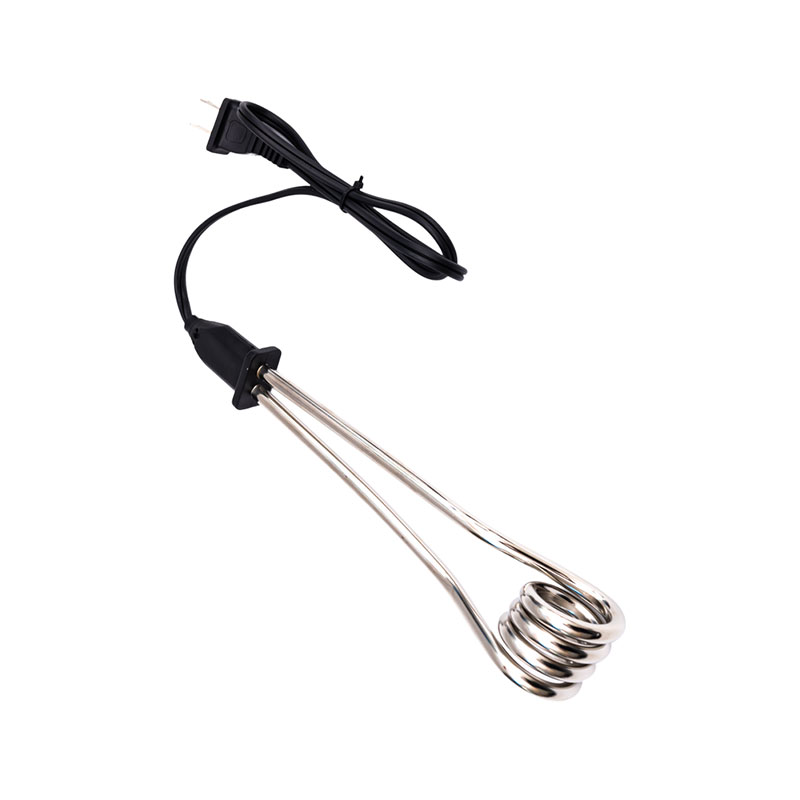
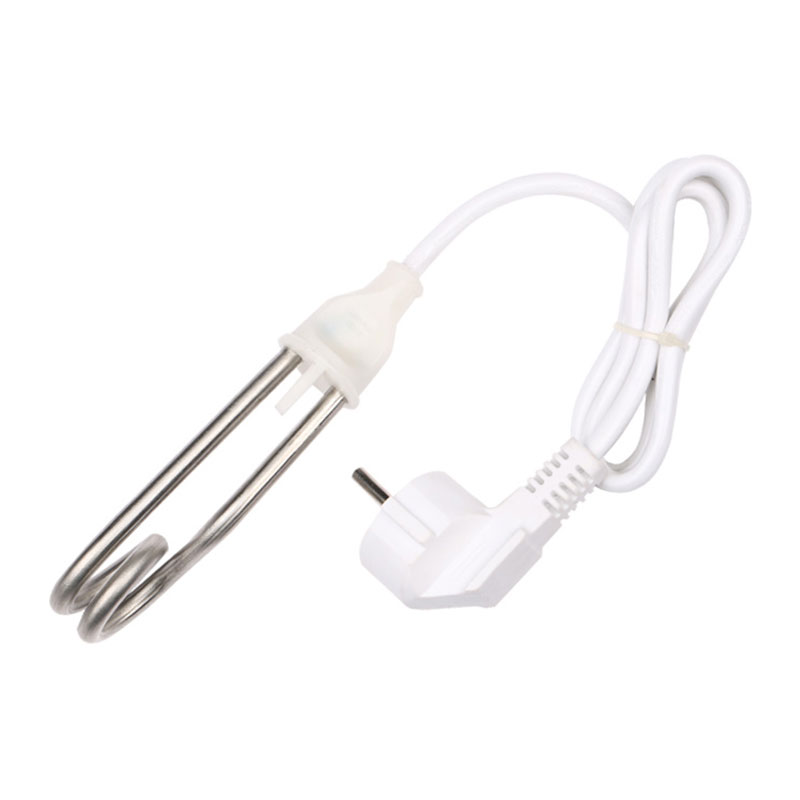
The core component of an Immersion Water Heater is the heating element, which is typically a coiled metal wire or rod enclosed in a protective sheath. The sheath is made from materials that are both corrosion-resistant and capable of conducting heat efficiently, such as stainless steel or iron. The sheath ensures that the water does not come into direct contact with the electrical conductor, preventing the risk of electric shock while allowing effective thermal transfer. Surrounding the heating element is usually an insulating layer made of ceramic or mica, which isolates the conductive wire from the sheath and maintains safety standards. The heater is connected to an electric power source through a cord and plug system, which may include additional safety features such as grounding, fuse protection, or circuit breakers. In some designs, an Immersion Water Heater includes a thermostat or temperature sensor that automatically regulates the heating process, preventing overheating and ensuring energy efficiency.
Materials Used in Immersion Water Heaters
The performance and durability of an Immersion Water Heater largely depend on the materials used for its heating element and protective sheath. Iron is a common material due to its affordability and relatively high thermal conductivity; however, it is prone to corrosion over time when exposed to water, particularly if the water contains dissolved minerals or is acidic. To address these limitations, stainless steel and nickel-chromium alloys are increasingly preferred, as they provide superior corrosion resistance, longer lifespan, and stable electrical resistance. The insulating materials also play a crucial role, as they must withstand repeated thermal cycling without cracking or losing their insulating properties. The choice of materials influences not only the safety and reliability of the heater but also its heating efficiency, energy consumption, and suitability for different water types, including tap water, distilled water, or chemically treated water in laboratory settings.
Principle of Operation
The working principle of an Immersion Water Heater is based on Joule heating, where an electric current passing through a resistive material produces heat. When the heater is plugged into a power source and immersed in water, the electrical current flows through the heating element. Due to the element’s resistance, electrical energy is converted into heat energy, which is then transferred directly to the surrounding water through conduction. The temperature of the water rises proportionally to the power of the heating element and the duration of immersion. The rate of heating depends on factors such as the wattage of the heater, the volume of water, the initial temperature of the water, and the efficiency of heat transfer between the element and the water. Thermostats or manual control switches are often incorporated to regulate the current flow and maintain the desired temperature, preventing overheating or damage to the heating element.
Design Variations
There are several design variations of Immersion Water Heaters, each tailored to specific applications. Basic designs consist of a simple rod or coil that can be directly placed into a container of water. More advanced models may include detachable heating elements for easier maintenance, integrated thermostats for automatic shut-off, or compact designs for portability. Industrial versions may have higher power ratings and reinforced protective sheaths to handle larger volumes of water or harsher chemical conditions. Some immersion heaters are designed for continuous operation, providing consistent heating in tanks or pipelines, while others are intended for intermittent use in small containers, such as kettles or laboratory flasks. Each design variation is optimized to balance efficiency, safety, durability, and cost, ensuring that the heater can meet the demands of its intended environment.
Applications and Use Cases
Immersion Water Heaters are highly versatile and find applications in numerous contexts. In residential settings, they are commonly used to heat water for bathing, cooking, or cleaning. Their compact size allows them to be used in small vessels such as buckets or water storage tanks. In laboratory environments, immersion heaters are employed to maintain controlled temperatures in experiments, chemical reactions, or sample preparation. Industrial applications include heating liquids in tanks, vats, or process pipelines, often requiring robust designs capable of operating under continuous or high-load conditions. Portable immersion heaters are also popular among travelers, campers, and remote locations where conventional water heating infrastructure is unavailable, providing a convenient and energy-efficient solution for heating water quickly.
Safety Features
The safety of an Immersion Water Heater is a critical consideration, given the combination of electricity and water. Modern heaters incorporate multiple safety features, including grounded plugs, insulated sheaths, fuses, and automatic shut-off mechanisms. Thermostatic controls prevent overheating by cutting off the current when the water reaches a preset temperature, reducing the risk of fire or damage to the element. Some advanced designs also include water-level sensors to prevent operation when the element is not fully submerged, avoiding dry heating that can lead to short circuits or element failure. Users are advised to follow manufacturer guidelines, ensure proper immersion depth, and regularly inspect the heater for signs of wear, corrosion, or insulation damage.
Efficiency Considerations
The efficiency of an Immersion Water Heater is influenced by its design, materials, and power rating. Direct immersion heating ensures minimal energy loss compared to indirect methods, as almost all the generated heat is transferred directly to the water. The choice of heating element material affects thermal conductivity and resistance stability, which in turn impacts energy consumption and heating speed. Maintaining a clean element free of scale or mineral deposits further enhances efficiency by improving heat transfer. Matching the heater’s power rating to the volume of water is crucial, as undersized heaters may take excessive time to heat water, while oversized units may waste electricity through unnecessary energy consumption.
Regulatory Standards and Certifications
Immersion water heaters must comply with various regulatory standards and certifications to ensure safety and reliability. International standards such as IEC (International Electrotechnical Commission) and national standards define requirements for electrical insulation, thermal protection, and construction materials. Certified heaters are tested for resistance to corrosion, mechanical stress, electrical leakage, and overheating. Labels such as CE, UL, or RoHS indicate that the heater meets specific quality and safety benchmarks, giving consumers confidence in their performance and compliance. Proper certification ensures that the immersion water heater operates safely in both domestic and industrial environments, minimizing risks associated with electrical hazards and equipment failure.
Common Misconceptions
There are several common misconceptions regarding Immersion Water Heaters. Some users believe that all immersion heaters can be used interchangeably for any water type, while in reality, water hardness, chemical content, and pH levels affect heater longevity and performance. Another misconception is that higher wattage always means better performance; however, the efficiency of heat transfer, element design, and container size must also be considered. Additionally, some people assume immersion heaters are unsafe for home use, but with proper safety features, correct usage, and adherence to manufacturer instructions, they are reliable and effective for everyday applications.
Technological Advancements
Recent advancements in Immersion Water Heater technology have focused on improving energy efficiency, safety, and user convenience. Smart heaters now incorporate digital thermostats, programmable timers, and remote monitoring via mobile apps. Advanced materials such as titanium-coated elements or ceramic insulation increase durability and reduce heat loss. Innovations also include modular designs that allow for easy replacement of the heating element, reducing maintenance costs and extending product life. Environmental considerations have prompted the development of energy-efficient models that minimize electricity consumption while providing rapid water heating, aligning with sustainable practices in residential and industrial applications.
How an Immersion Water Heater Works: Step-by-Step
Principle of Operation
The operation of an Immersion Water Heater is fundamentally based on the conversion of electrical energy into thermal energy through resistive heating, a process commonly known as Joule heating. When the heater is connected to an electric power source, current flows through the heating element, which is made of a material with specific electrical resistance. The resistance of the element opposes the flow of current, and this opposition generates heat energy directly within the element. Unlike external heating methods that rely on transferring heat from a separate source to the water, immersion heaters apply heat directly to the liquid. This direct contact maximizes energy efficiency and ensures rapid temperature rise. The amount of heat produced is proportional to the square of the current multiplied by the resistance of the element (Q = I²R), which forms the basis for the heater's energy output calculation.
Electrical Connection and Power Supply
The initial step in the operation involves supplying electrical energy to the heater. The Immersion Water Heater is typically connected to an alternating current (AC) supply through a cord and plug, with voltage ratings that correspond to the regional standard, such as 110–120 V in North America or 220–240 V in Europe and Asia. In higher-power industrial models, the heater may be connected to three-phase power to provide sufficient energy for heating large volumes of water. The electrical connection includes safety features such as grounding, fuses, circuit breakers, and insulated wires to prevent leakage current and reduce the risk of electric shock. Some designs integrate a control box that regulates voltage and current flow to maintain a stable heating process, while others rely on manual switches for user-controlled operation.
Immersion in Water
Once electrically connected, the next step involves immersing the heating element into the water. The immersion depth is critical for both safety and efficiency. The element must be fully submerged in the liquid to allow effective heat transfer and prevent dry heating, which can cause overheating, melting of the protective sheath, or element failure. For laboratory or portable immersion heaters, this often involves placing the element in a beaker, flask, or small container. For domestic use, the heater may be immersed in a bucket, tank, or kettle. Industrial heaters are designed for larger tanks or pipelines and may include mounting brackets or clamps to ensure the element remains fully submerged throughout operation. The direct contact between the heating element and water enables thermal energy to be conducted efficiently from the element to the surrounding liquid.
Heat Transfer Mechanism
Once the element is immersed and the current is flowing, the heating process begins. The Immersion Water Heater transfers heat primarily through conduction from the surface of the element to the water molecules in direct contact. This energy transfer causes the water molecules to move more rapidly, increasing the kinetic energy and resulting in a rise in temperature. As the water nearest to the element heats up, it becomes less dense and rises, while cooler, denser water moves downward. This process establishes natural convection currents, which distribute heat throughout the liquid. In larger tanks or industrial applications, additional mechanisms such as stirrers or pumps may be used to enhance uniform heat distribution and reduce temperature gradients. The efficiency of this heat transfer is influenced by factors such as the material of the heating element, water volume, thermal conductivity of the sheath, and water chemistry.
Temperature Regulation
Most modern Immersion Water Heaters incorporate mechanisms for temperature control to maintain a desired water temperature and prevent overheating. One common approach is the integration of a thermostat that monitors the water temperature through a sensor attached to or embedded in the heating element. When the water reaches the preset temperature, the thermostat interrupts the electrical current, halting the heating process. In some designs, a bimetallic strip or thermistor is used for this purpose, providing a reliable automatic shut-off feature. Advanced models may use digital thermostats that allow precise temperature setting and feedback control. Manual heaters may require the user to monitor the water temperature and switch off the device, which necessitates careful attention to avoid over-heating or element damage.
Safety Mechanisms in Operation
During the heating process, the Immersion Water Heater incorporates several safety mechanisms. Overheat protection is critical; many heaters include thermal cut-off switches that automatically disconnect power if the element temperature exceeds safe limits. Some models include water level sensors to ensure that the element cannot operate when insufficient water is present, preventing dry heating. Insulated sheaths prevent electric current from leaking into the water, reducing the risk of electric shock. Grounded plugs, fuses, and circuit breakers provide additional protection against short circuits and overcurrent. Industrial-grade heaters may have redundant safety systems to meet regulatory standards, including insulation resistance testing and compliance with IEC, UL, or CE certifications. Proper operation requires that the heater is correctly positioned and fully submerged to allow these safety mechanisms to function effectively.
Power Rating and Heating Speed
The power rating of an immersion water heater, typically expressed in watts, directly affects how quickly it can raise the water temperature. For example, a 1000-watt heater can heat a liter of water faster than a 500-watt model under identical conditions. The heating speed depends not only on wattage but also on water volume, initial temperature, ambient conditions, and the specific heat capacity of the liquid. In industrial applications, heaters may be rated at several kilowatts to heat hundreds of liters of water efficiently. Calculating the energy required to reach a target temperature involves the formula Q = mcΔT, where m is the mass of water, c is the specific heat capacity, and ΔT is the temperature increase. Matching the heater’s power rating to the required application ensures optimal energy usage and prevents excessive wear on the heating element.
Start-up Procedure
The step-by-step start-up of an Immersion Water Heater involves several coordinated actions. First, the heater is visually inspected for signs of damage, corrosion, or insulation wear. Then, it is connected to the appropriate power source, ensuring that the voltage and current ratings match the device specifications. The heating element is immersed fully into the water, maintaining the minimum recommended depth. If the heater has a thermostat or control unit, the desired temperature is set. The power is then switched on, allowing current to flow through the element and initiate the heating process. Throughout operation, monitoring is required, especially for manual heaters, to ensure that water levels are sufficient and no unusual noises, smells, or sparks indicate malfunction.
Operational Dynamics
During continuous operation, the Immersion Water Heater exhibits specific thermal and fluid dynamics. As the element heats the water, convection currents circulate warmer water upward and cooler water downward, creating a natural mixing effect. Heat conduction along the element sheath and through the water determines the uniformity of temperature rise. Factors such as water hardness and dissolved minerals can affect the rate of heating by forming scale deposits on the heating element, which reduces thermal conductivity. In laboratory or industrial applications, this can necessitate periodic cleaning or descaling to maintain optimal heating efficiency. Advanced heaters may include circulation pumps or agitators to enhance heat distribution and maintain consistent temperatures throughout the liquid volume.
Maintenance During Operation
Proper operational maintenance is essential for the longevity and performance of an Immersion Water Heater. Regular inspection of the element for corrosion, scaling, or damage ensures safe and efficient operation. Electrical connections and plugs must be checked for wear or insulation breakdown. For heaters used in mineral-rich water, periodic descaling prevents accumulation on the heating element, which can reduce heating efficiency and increase energy consumption. Continuous monitoring of water level and adherence to operational guidelines ensures that safety mechanisms remain functional. In industrial settings, preventive maintenance schedules often include periodic testing of thermostatic controls, insulation resistance, and heating element performance to ensure compliance with safety standards and operational efficiency.
Key Components of an Immersion Water Heater
Heating Element
The heating element is the central and most critical component of an Immersion Water Heater, responsible for converting electrical energy into thermal energy. Typically made of materials with high electrical resistance and good thermal conductivity, such as iron, copper, or nickel-chromium alloys, the heating element generates heat when an electric current passes through it. The selection of material is crucial because it must withstand repeated thermal cycling without degrading, resist corrosion in water, and maintain stable resistance over time. The element is usually shaped as a rod, coil, or flat strip, depending on the heater’s design and application requirements. In residential models, simple coiled rods are common, whereas industrial units may use larger tubular or flanged elements to handle higher power ratings and larger water volumes. The element's power rating is carefully calculated based on the desired heating speed, water volume, and safety considerations, ensuring efficient energy transfer while preventing overheating. Electrical insulation surrounding the resistive wire within the element prevents short circuits and maintains the integrity of the conductor under high temperatures.
Protective Sheath
Surrounding the heating element is the protective sheath, which serves as a barrier between the conductive core and the water. The sheath is usually made from corrosion-resistant metals such as stainless steel, copper, or iron with protective coatings to resist scaling and chemical reactions. The primary function of the sheath is to prevent water from contacting the electrical conductor, thereby reducing the risk of electric shock and ensuring operational safety. The sheath also aids in heat transfer by conducting thermal energy from the resistive core to the water efficiently. In high-end designs, titanium or nickel-plated sheaths are used for enhanced durability and resistance to harsh water conditions, including high mineral content or chemical additives. The thickness, material composition, and surface finish of the sheath influence both heating efficiency and longevity, as rough surfaces or scaling can reduce heat transfer efficiency and increase maintenance requirements.
Insulation Layer
Between the heating element and the protective sheath lies the insulation layer, which electrically isolates the conductor from the outer sheath while allowing heat to pass through. Common insulating materials include mica, ceramic, magnesium oxide (MgO), and specialized high-temperature polymers. The insulation must withstand extreme thermal cycling, resist moisture penetration, and prevent electrical leakage. Magnesium oxide is widely used in tubular elements for its excellent thermal conductivity and high dielectric strength. In some designs, multiple layers of insulation are employed to enhance both safety and performance. Proper insulation ensures that the heater can operate safely even when immersed in water for extended periods, preventing short circuits or electrical hazards while maintaining consistent heating performance.
Thermostat and Temperature Sensor
Many Immersion Water Heaters are equipped with a thermostat or temperature sensor, which monitors the water temperature and controls the heating process. The thermostat may be mechanical, using a bimetallic strip that bends in response to temperature changes to open or close the electrical circuit, or electronic, using thermistors, RTDs (Resistance Temperature Detectors), or digital sensors for precise temperature control. The sensor is typically mounted near or within the heating element sheath to accurately measure the water temperature in direct contact with the element. When the water reaches the preset temperature, the thermostat interrupts the electrical current, preventing overheating and reducing energy consumption. Advanced models allow users to set specific temperatures, maintain a target temperature over time, and even provide feedback through digital displays or remote monitoring interfaces. Thermostats also protect the heating element from thermal stress, extending its operational lifespan and improving reliability.
Power Supply and Electrical Connection
The power supply and electrical connection are essential for delivering current to the heating element safely and reliably. Residential immersion heaters typically operate on standard AC mains voltage, such as 110–120V or 220–240V, while industrial heaters may use three-phase power for higher wattage applications. The heater is connected through insulated wires, plugs, or dedicated terminal blocks, often incorporating grounding for safety. Fuses, circuit breakers, or thermal cutoffs may be integrated into the connection system to protect against overcurrent or electrical faults. Some models include switches for manual control, while others feature automatic power control coordinated with the thermostat. The design of the power supply system must account for voltage fluctuations, electrical noise, and environmental conditions to ensure consistent heating and prevent electrical hazards.
Immersion Rod or Tank Interface
The immersion rod or interface between the heater and the water container ensures proper positioning of the heating element within the liquid. For portable heaters, this may be a simple rod that is manually submerged in a bucket or vessel. For industrial or fixed installations, the immersion rod is often mounted via flanges, clamps, or threaded fittings, providing stability and maintaining the correct immersion depth. Maintaining appropriate immersion depth is critical for safety and efficient heat transfer, as operation above the recommended level can result in dry heating, overheating, or damage to the element. Some designs include adjustable mounts or brackets, allowing the heater to be positioned optimally for different container sizes and volumes, ensuring consistent performance across various applications.
Protective Housing and Casing
The protective housing or casing encloses electrical components, connection terminals, and control systems of the heater. This housing is typically made from heat-resistant and electrically insulating materials, such as high-grade plastics, ceramics, or coated metals. The casing protects the user from accidental contact with live electrical parts and shields sensitive components from water splashes, humidity, and mechanical damage. In some industrial designs, the housing also provides structural support for large or high-power elements, allowing secure installation in tanks, pipelines, or industrial setups. Ventilation or heat-dissipating designs may be incorporated into the casing to manage excess heat and prolong the life of internal components.
Safety Features and Protective Devices
Immersion Water Heaters incorporate multiple safety devices to prevent accidents and equipment damage. Common safety features include thermal cut-off switches, fuses, grounding systems, overcurrent protection, and water-level sensors. Thermal cut-off switches disconnect power if the element exceeds safe temperatures, while fuses and circuit breakers protect against electrical overload. Grounding ensures any leakage current is safely redirected, reducing the risk of electric shock. Water-level sensors prevent operation when the element is not fully submerged, avoiding dry heating that could compromise the heater. Some advanced models also include alarms, indicator lights, or automatic shutoff circuits to provide real-time feedback to the user.
Control Panel and User Interface
Modern Immersion Water Heaters may include a control panel or user interface that allows precise regulation of temperature, power settings, and operational modes. Digital panels provide options such as temperature presets, timer functions, and energy usage monitoring. Some units include connectivity for smart home integration or remote monitoring through mobile applications. Mechanical interfaces, such as knobs or dials, are common in simpler models, allowing users to manually adjust temperature or switch the heater on and off. The design of the control interface affects usability, safety, and operational accuracy, providing the user with convenient and reliable control over the heating process.
Mounting Accessories and Seals
Finally, mounting accessories and sealing components ensure the immersion heater can be safely and securely installed in various water containers. Flanges, clamps, threaded fittings, and gaskets provide stability, maintain proper immersion depth, and prevent water leakage at connection points. Seals are typically made from rubber, silicone, or other chemically resistant materials capable of withstanding high temperatures. Proper mounting and sealing are critical in both residential and industrial applications to maintain safety, prevent water damage, and ensure consistent heating performance. Industrial installations may include additional support brackets or vibration-resistant mounts to accommodate larger, heavier heaters and dynamic fluid conditions.
Types of Immersion Water Heater: Iron vs Stainless Steel
Overview of Immersion Water Heater Types
Immersion water heaters are available in multiple types, distinguished primarily by the material used for their heating element and protective sheath. The two most common categories are Iron Immersion Water Heaters and Stainless Steel Immersion Water Heaters. Each type has unique characteristics that influence its performance, durability, cost, and suitability for specific applications. The material choice affects corrosion resistance, heat transfer efficiency, electrical safety, maintenance requirements, and compatibility with different water conditions. Understanding the differences between iron and stainless steel immersion heaters is essential for selecting the appropriate unit for residential, laboratory, or industrial use. These two types dominate the market because they balance cost, availability, and performance, with iron being more economical and stainless steel offering enhanced longevity and resistance to aggressive water chemistries.
Iron Immersion Water Heater
Iron Immersion Water Heaters feature heating elements and protective sheaths primarily constructed from iron or iron alloys. Iron is a material with excellent thermal conductivity, which allows the heating element to transfer energy efficiently to the surrounding water. The cost of iron immersion heaters is relatively low, making them attractive for domestic and budget-conscious applications. Iron immersion heaters are commonly manufactured with a tubular design, where the resistive wire is enclosed within an iron sheath insulated with ceramic or magnesium oxide. The protective iron sheath is often coated with anti-corrosive materials, such as nickel plating or paint, to reduce oxidation and prolong service life. Despite these protective measures, iron remains susceptible to corrosion over time, particularly when exposed to hard water containing high levels of calcium, magnesium, or other dissolved minerals. Frequent use in mineral-rich water environments can lead to rust formation, scaling, and potential degradation of the heating element. Maintenance for iron immersion heaters typically includes regular cleaning, descaling, and visual inspections to ensure safe and efficient operation.
Properties of Iron Immersion Water Heaters
Iron immersion heaters have several properties that define their performance. Their thermal conductivity allows for relatively fast water heating compared to some lower-grade alloys. The electrical resistance of iron remains stable under moderate temperature fluctuations, providing predictable energy conversion. Iron sheaths are mechanically strong, capable of withstanding minor impacts or accidental handling without deformation. However, iron is prone to oxidation in the presence of water and air, forming rust that can compromise both the protective sheath and the underlying heating element. The susceptibility to corrosion requires careful monitoring of water chemistry and frequent maintenance schedules. Iron immersion heaters are often designed for domestic applications, small water tanks, or portable heating, where cost-effectiveness and ease of replacement outweigh concerns about long-term durability. In applications where water quality is poor or highly mineralized, additional water treatment, such as softening, may be recommended to minimize scaling and prolong the lifespan of the heater.
Stainless Steel Immersion Water Heater
Stainless Steel Immersion Water Heaters utilize a protective sheath and sometimes the heating element itself made from stainless steel alloys. Stainless steel is an alloy composed primarily of iron, chromium, and sometimes nickel, which provides exceptional resistance to corrosion, scaling, and chemical attack. This property makes stainless steel immersion heaters ideal for use in hard water conditions, chemically treated water, and industrial applications where high durability is required. The resistive heating element is typically insulated with magnesium oxide or ceramic and encased within a stainless steel tube or rod. The corrosion resistance of stainless steel allows these heaters to maintain performance over extended periods without significant degradation, even under continuous operation or exposure to aggressive water chemistries. Stainless steel heaters are available in a wide range of designs, including tubular, flange-mounted, or rod-type units, suitable for residential, laboratory, and industrial tanks or pipelines.
Properties of Stainless Steel Immersion Water Heaters
Stainless steel immersion heaters offer several advantages in terms of mechanical, thermal, and chemical properties. The material resists pitting, rust, and scaling, which ensures long-term structural integrity and consistent heat transfer efficiency. Stainless steel can withstand higher temperatures than iron, making it suitable for industrial processes that require sustained high-temperature operation. The electrical insulation within the stainless steel sheath allows the heater to operate safely while maintaining efficient heat conduction to the water. Stainless steel immersion heaters also offer aesthetic benefits, with polished surfaces that resist tarnishing and discoloration over time. Maintenance requirements are generally lower than iron heaters, as the corrosion-resistant surface minimizes scale adherence and reduces the frequency of cleaning. For high-capacity tanks, continuous-use industrial processes, and chemically treated water systems, stainless steel heaters provide reliability and longevity unmatched by traditional iron units.
Performance Comparison
The performance of iron versus stainless steel immersion heaters varies depending on environmental conditions and usage patterns. Iron heaters typically heat water faster in the short term due to slightly higher thermal conductivity, but they are more prone to corrosion and scaling in hard water conditions. Stainless steel heaters may exhibit slightly slower initial heating rates but maintain efficiency and safety over long-term operation, particularly in harsh water conditions. Power ratings, wattage, and element design influence the relative heating speed of both types, while water volume, initial temperature, and immersion depth affect actual performance. Industrial-scale stainless steel heaters can be designed for continuous operation at high wattage, providing reliable heating in large tanks or pipelines, whereas iron heaters are typically used for intermittent heating in smaller volumes. The choice of material impacts energy efficiency, maintenance frequency, and operational reliability, with stainless steel favored for demanding applications and iron preferred for cost-sensitive, short-term use.
Durability and Lifespan
Durability and lifespan are key differentiators between iron and stainless steel immersion heaters. Iron heaters generally have a shorter operational lifespan due to susceptibility to corrosion, scaling, and oxidation. Regular maintenance, descaling, and protective coatings can extend the life of iron immersion heaters, but they rarely match the longevity of stainless steel models. Stainless steel heaters can operate effectively for several years with minimal degradation, even under continuous operation or harsh water conditions. The choice of stainless steel grade, such as 304 or 316, further affects durability, with higher-grade alloys offering superior resistance to chlorides, acids, and other aggressive chemicals. Industrial stainless steel immersion heaters are engineered for reliability under high-temperature, high-pressure, or chemically aggressive environments, whereas iron immersion heaters are better suited for domestic or low-intensity applications.
Cost Considerations
Cost is a major factor when choosing between iron and stainless steel immersion heaters. Iron heaters are generally less expensive to manufacture and purchase, making them accessible for residential or budget-conscious users. Stainless steel heaters have higher initial costs due to material expenses, manufacturing complexity, and enhanced durability features. However, over the long term, stainless steel heaters may provide better cost efficiency due to lower maintenance, longer service life, and reduced downtime in industrial applications. The choice of material often balances upfront expenditure with long-term operational reliability, maintenance requirements, and water quality considerations. For applications where heater replacement is frequent or water conditions are harsh, investing in a stainless steel unit may be more economically advantageous despite the higher initial cost.
Application Scenarios
Iron immersion heaters are commonly used in residential settings, small water tanks, portable heating applications, and budget-conscious installations where water quality is moderate and frequent maintenance is feasible. These heaters are suitable for heating domestic water, small-scale laboratory experiments, or temporary heating setups. Stainless steel immersion heaters are preferred for industrial processes, laboratories handling chemically treated water, continuous-use tanks, and locations with hard or mineral-rich water. They are widely used in large-scale manufacturing, food processing, pharmaceutical production, and other applications requiring consistent, safe, and durable water heating. The specific design, power rating, and material selection are tailored to match the application requirements, including water chemistry, volume, heating speed, and operational continuity.
References / Sources
-
A. Ibrahim and S. MacIntyre, Failure analysis of Incoloy 800 water immersion heating element, Green Technology, Resilience, and Sustainability, vol. 3, article 5, 2023.
-
Exploring 3 kW Immersion Heater Element: Material Grades, Properties, and Uses, Alibaba Insights, 2025.
-
Immersion Heaters Explained: Which Metal Should You Pick?, Electrical Deals Direct, 16 Sep 2025.
-
What Are the Different Advantages of Immersion Water Heaters Made of Different Materials, Jaye Heater Technology, 30 Apr 2025.
-
Pitting corrosion resistance of a new type of stainless steel in hot tap water, Journal of Materials Research and Technology, vol. 35, Mar–Apr 2025.
- RELATED PRODUCTS
Latest Updates
Provide You With The Latest Enterprise
Provide You With The Latest Enterprise
and Industry News.
We will continue to focus on the intelligent temperature control field and serve global users with technical concepts of "safer, more energy-efficient and more environmentally friendly".
-
Industry News
How to select the right power cord for your industrial equipment
Power Cord Internal Construction and Scientific Mysteries Deeply understanding the Power Cord requires starting with microscopic materials science and physics. The design of each internal layer is a calculated balance be...
09
Feb 2026 -
Industry News
What Is an Immersion Water Heater and How Does It Work?
Definition of an Immersion Water Heater Overview of Immersion Water Heaters An Immersion Water Heater is a type of electric heating device specifically designed to heat water directly by immersing its heating element int...
09
Feb 2026 -
Industry News
Are Immersion Water Heaters Safe? 5 Critical Safety Tips You Need to Know
1. Always Ensure the Heater is Fully Submerged in Water Before Turning It On Why Submerging the Heater is Crucial for Safety An immersion water heater is designed to work by transferring electrical energy into heat, whic...
11
Feb 2026 -
Industry News
The Ultimate Guide to Immersion Water Heaters: From Portable Heating to Safety Best Practices
Scenario-Based Applications: How to Choose the Right Heating Solution? Is a Floating Immersion Water Heater Really a Winter Bathing Essential? Maintaining water temperature in large containers like bathtubs or big bucket...
11
Feb 2026
Be the First to Know
For exclusive deals and latest offers, sign up by entering your email address below.
-
Provide one-stop service from design optimization, process improvement to volume delivery.
-
Quick Links
Home Products About Us Advantages Application News Contact Us -
Products Categories
Immersion Water Heater Extension Cord Power Strip Power Cord Heating Element Hot Plate Magnesium Anode Rod Electrical Water Heater Stem Thermostat -
Contact Information
Add : Feida Industrial Park , Houxiang Town, Danyang City , Jiangsu Province ,China
E-mail: gm@cnfpdq.com
Tel: +86-13306103666
Fax: +86-511-86321126
Copyright © 2025 by Danyang Feipeng Electrical Appliance Co., Ltd. All Rights Reserved.
 Custom Electric Heater Components Manufacturers
Custom Electric Heater Components Manufacturers