The Floating Immersion Water Heater represents a significant leap in portable heating technology, specifically designed to address the common failures of traditional stationary heaters. Unlike standard immersion rods that rest at the bottom of a container or clip onto the side, this device is engineered to buoyancy-compensate itself. By utilizing an ELECTRIC FLOATING IMMERSION WATER HEATER FOR BATH, users can achieve rapid water temperature increases without the constant monitoring typically required to prevent equipment damage. The primary innovation lies in its ability to maintain a consistent position relative to the water surface, ensuring that the active heating element is always surrounded by liquid, which is the most critical factor in preventing heater failure and electrical hazards.
What Are the Core Specifications of the Electric Floating Immersion Water Heater?
To evaluate the utility of this device, it is essential to look at the physical and electrical parameters that define its performance. The following table outlines the key technical specifications for a standard high-performance model.
|
Feature
|
Technical Detail
|
|
Product Category
|
Floating Immersion Water Heater
|
|
Primary Application
|
ELECTRIC FLOATING IMMERSION WATER HEATER FOR BATH
|
|
Safety Mechanism
|
Automatic Buoyancy Control / Dry Firing Protection
|
|
Optimal Submersion Depth
|
Automatically Adjusted by Floating Ring
|
|
Heating Element Material
|
High-Grade Stainless Steel / Copper with Anti-Corrosion Coating
|
|
Portability Factor
|
Lightweight, Compact Electric Design
|
|
Main Advantage
|
Reduced risk of element burnout and container damage
|
How Does the Automatic Floating Mechanism Enhance Operational Safety?
The defining characteristic of the Floating Immersion Water Heater is its ability to stay afloat. But how does this mechanical feature translate into user safety and device longevity?
Can Automatic Buoyancy Prevent Dry Firing?
Dry firing occurs when an electric heating element is powered on while exposed to air, leading to an almost instantaneous rise in temperature that can melt the element or cause a fire. The ELECTRIC FLOATING IMMERSION WATER HEATER FOR BATH solves this by integrating a floating housing. Because the unit "rides" the water level, the heating coil remains at the optimal depth even as water evaporates or is splashed out. This ensures the heat is always dissipated into the water, effectively neutralizing the risk of the element burning out due to accidental exposure to the atmosphere.
Does Floating at the Optimal Depth Improve Heating Efficiency?
When a heater sits at the very bottom of a bucket or tub, heat distribution can be uneven, and the bottom of the container may sustain thermal damage. By floating at the optimal depth, the Floating Immersion Water Heater promotes better natural convection currents. As the water near the surface is heated, it circulates more freely, leading to a more uniform temperature throughout the container. This eliminates "cold spots" often found in deep baths heated by stationary rods.
Why is the Floating Design Ideal for Bathing Applications?
Using an ELECTRIC FLOATING IMMERSION WATER HEATER FOR BATH requires specific design considerations to ensure it is suitable for domestic and semi-industrial hygiene use.
How Does the Design Protect Different Container Materials?
Standard immersion heaters can easily melt plastic buckets or damage the finish of porcelain tubs if they come into direct contact with the surfaces. The floating architecture of the Floating Immersion Water Heater keeps the hot element away from the walls and floor of the container. By maintaining a central, suspended position, it protects the integrity of the bath vessel, extending the life of both the heater and the container being used.
Is the Heater Easy to Deploy in Various Bath Sizes?
Because it does not rely on hooks or specific mounting brackets, the ELECTRIC FLOATING IMMERSION WATER HEATER FOR BATH is highly versatile. Whether the user is heating a small 5-gallon bucket for a quick wash or a larger tub for a full bath, the heater adapts instantly. It requires no adjustment; once placed in the water, it finds its own level, making it a truly "plug-and-play" solution for diverse environments.
What Engineering Features Prevent Corrosion and Electrical Leakage?
Safety in a water-heating context is not just about heat management; it is also about electrical insulation and material durability.
What Materials Are Used for the Heating Element?
The Floating Immersion Water Heater typically utilizes high-quality stainless steel or specialized alloy elements. These materials are chosen for their high thermal conductivity and resistance to the corrosive effects of hard water and bath minerals. This ensures that the ELECTRIC FLOATING IMMERSION WATER HEATER FOR BATH remains functional for years without the pitting or scaling that degrades cheaper, non-floating alternatives.
How is Electrical Insulation Maintained in a Floating Environment?
The junction between the power cord and the floating body is a critical point of engineering. Modern Floating Immersion Water Heaters use hermetically sealed connections and heavy-duty, water-resistant cabling. This prevents water ingress into the electrical components, even as the device bobs and moves on the surface. The buoyancy chamber itself often acts as a secondary insulator, adding a layer of air between the water and the internal electrical terminals.
Can the Floating Heater Handle High-Volume Water Requirements?
While portable, these heaters are often tasked with heating significant amounts of water for industrial or large-scale domestic use.
Does the Power Output Support Rapid Heating?
The wattage of a Floating Immersion Water Heater is calibrated to balance speed with safety. By providing concentrated heat at the surface and allowing convection to carry it downward, the ELECTRIC FLOATING IMMERSION WATER HEATER FOR BATH can bring large volumes of water to a comfortable temperature faster than many might expect. The lack of heat loss to the floor of the container (which happens with bottom-resting heaters) means more energy goes directly into the water.
Is the Device Durable Enough for Frequent Use?
Because the risk of dry firing is reduced, the duty cycle of a Floating Immersion Water Heater is significantly higher than that of traditional models. The element undergoes less thermal stress because it is never allowed to overheat in the air. This makes it an exceptionally durable tool for users who need to heat water multiple times a day, such as in rural areas without central heating or on construction sites.
How Does the User Benefit from the Portability of the Electric Floating Heater?
Portability is a primary selling point for the Floating Immersion Water Heater, but it goes beyond just being lightweight.
Is it Convenient for Travel and Temporary Living?
The compact nature of the ELECTRIC FLOATING IMMERSION WATER HEATER FOR BATH makes it an essential tool for travelers, campers, or individuals living in temporary housing. It can be easily packed into a suitcase or tool kit. Since it doesn't require a specific type of container to "clip" onto, it can be used with whatever vessel is available on-site, providing a reliable source of hot water anywhere there is an electrical outlet.
Does the Simplified Design Reduce Maintenance Needs?
With no complex mounting hardware or moving parts other than the floating body, the Floating Immersion Water Heater requires very little maintenance. Users simply need to wipe down the element after use to prevent mineral buildup. The self-regulating nature of the floating mechanism means there are no sensors to calibrate or mechanical arms to adjust, leading to a long, trouble-free service life.
What Safety Precautions Should Be Observed During Operation?
Even with the advanced safety features of the ELECTRIC FLOATING IMMERSION WATER HEATER FOR BATH, proper usage is key to ensuring a hazard-free experience.
Should the Heater Be Unplugged Before Checking Water Temperature?
It is a standard safety protocol for any Floating Immersion Water Heater that the power should be disconnected before any physical contact is made with the water. While the insulation is designed to prevent leakage, unplugging the device is a necessary precaution to eliminate all electrical risks while the user is testing the temperature or entering the bath.
How Does One Ensure the Heater Floats Freely?
For the ELECTRIC FLOATING IMMERSION WATER HEATER FOR BATH to function correctly, it must not be obstructed by clothing, sponges, or the sides of the container. Ensuring that the heater has a "clear path" to float allows the safety mechanisms to work as intended, keeping the element submerged and the device operating within its designed thermal parameters.


 English
 русский
 Español
 عربى
عربى
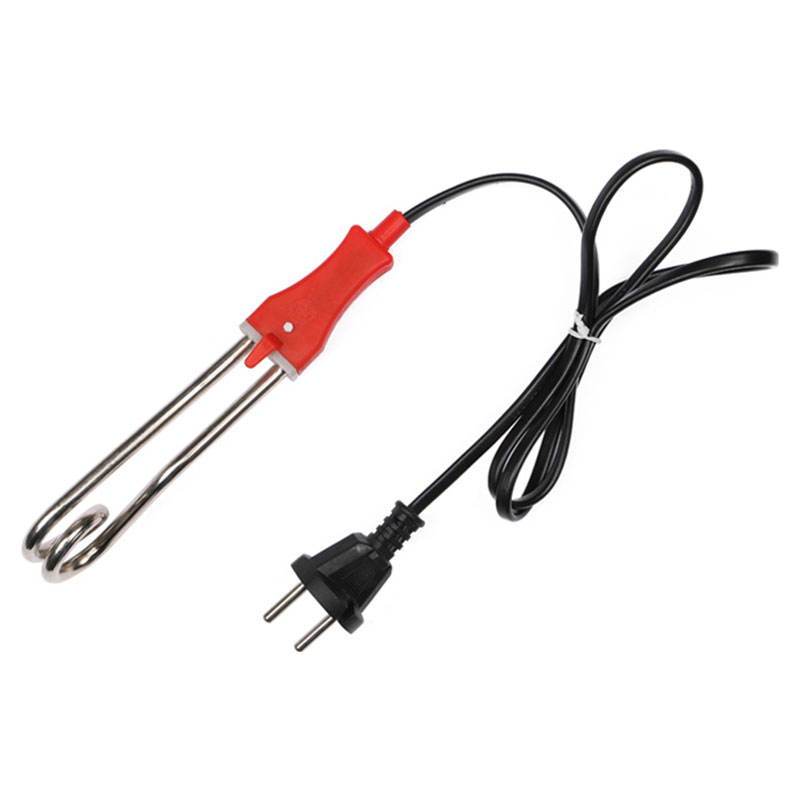
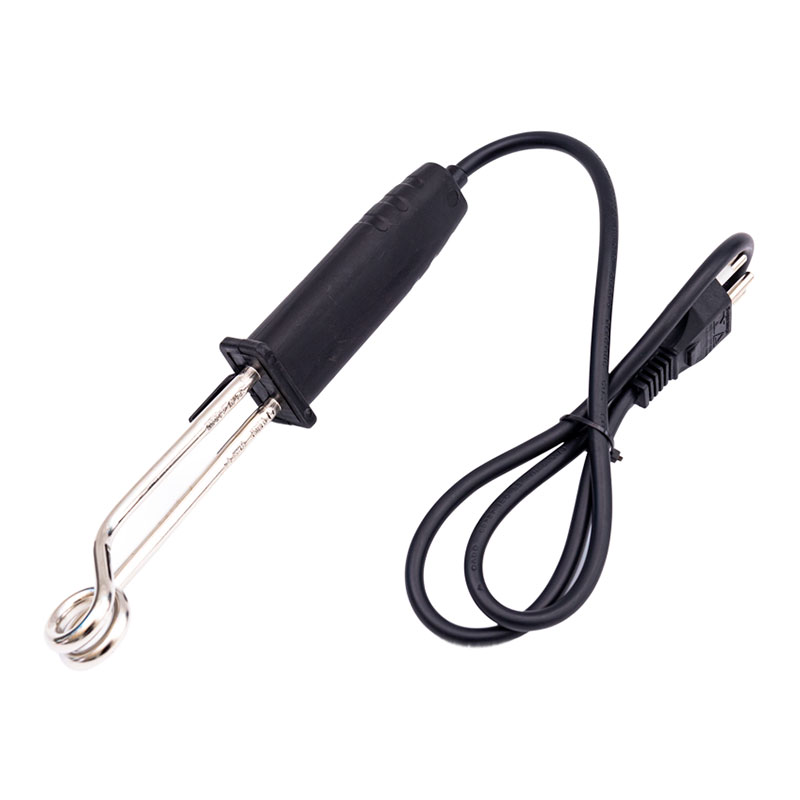
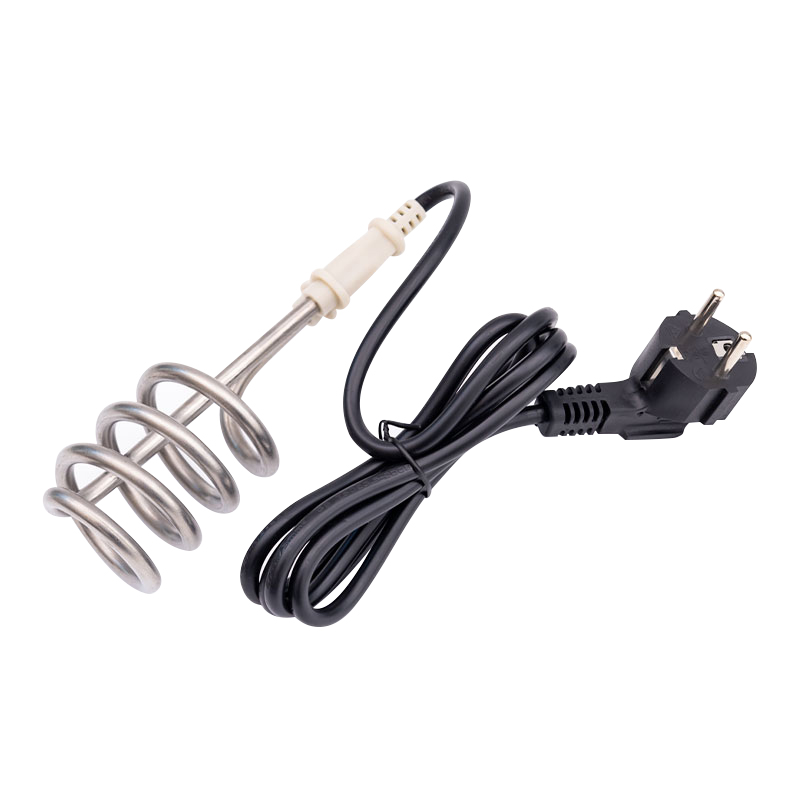
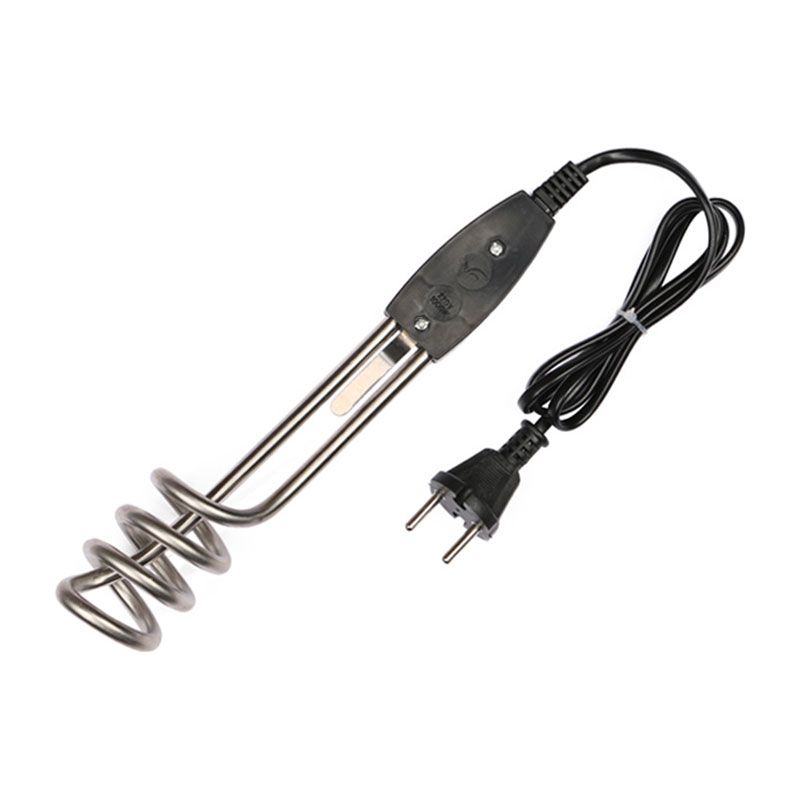

 Custom Electric Heater Components Manufacturers