The conversion of electrical energy into thermal energy is a fundamental process in modern thermodynamics that powers everything from domestic appliances to massive industrial kilns. This process relies on the principle of Joule heating, where the resistance of a material to an electrical current generates heat at a predictable and controllable rate. To understand the diversity of thermal applications, one must examine the four primary categories of heating elements, which include metallic resistance alloys, ceramic heating elements, silicon carbide or composite elements, and infrared or radiant heating systems. Each of these categories utilizes unique physical properties and material compositions to solve specific engineering challenges, such as operating in high-vacuum environments, maintaining stability at extreme temperatures, or providing rapid thermal response times. By analyzing the molecular behavior and structural integrity of these four types, engineers and industrial operators can select the most effective thermal solution for their specific operational requirements.
Metallic Resistance Heating Elements
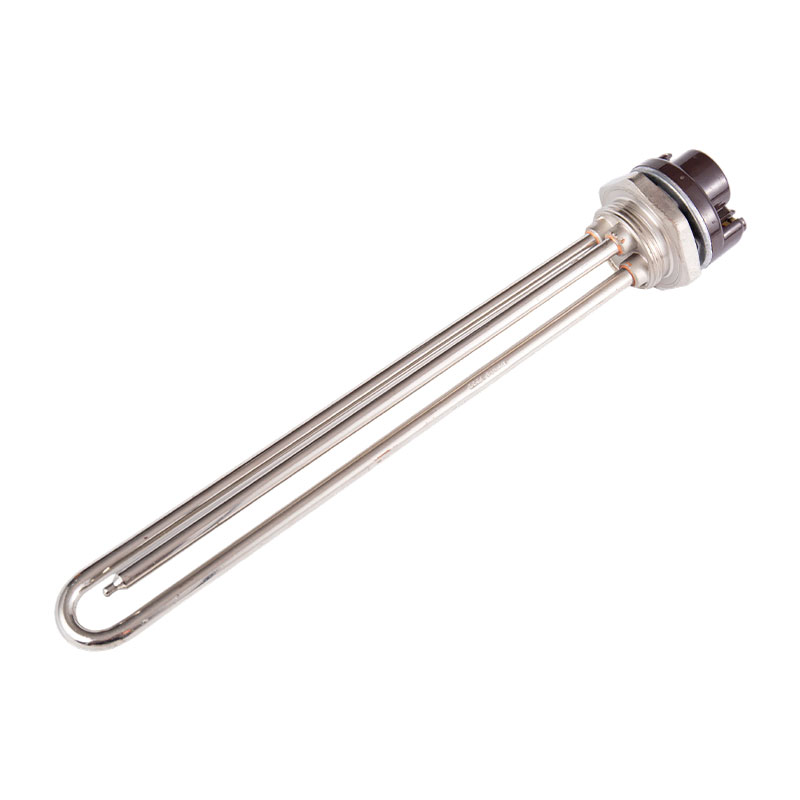
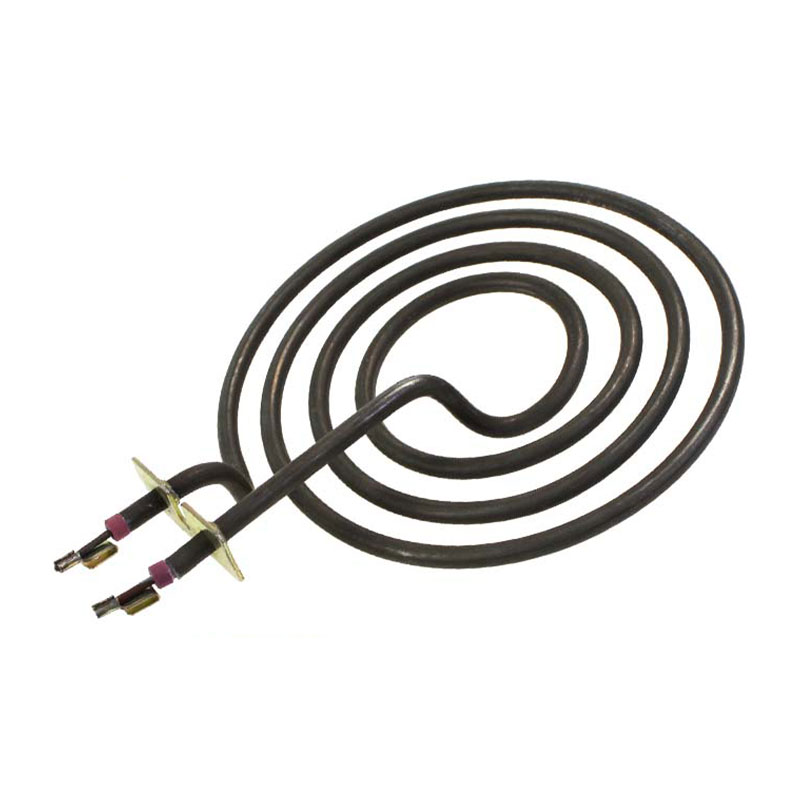
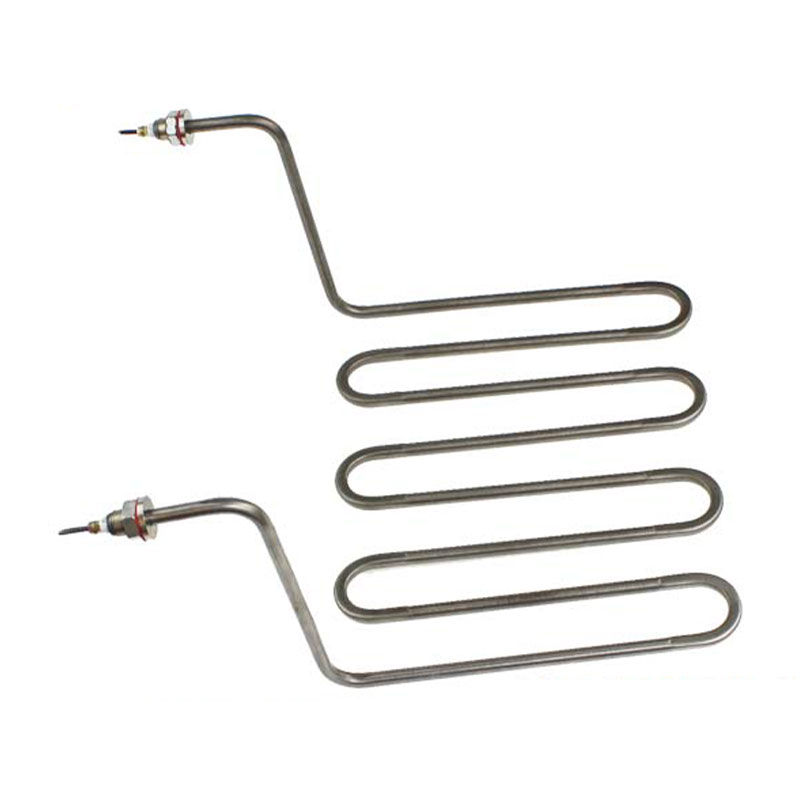
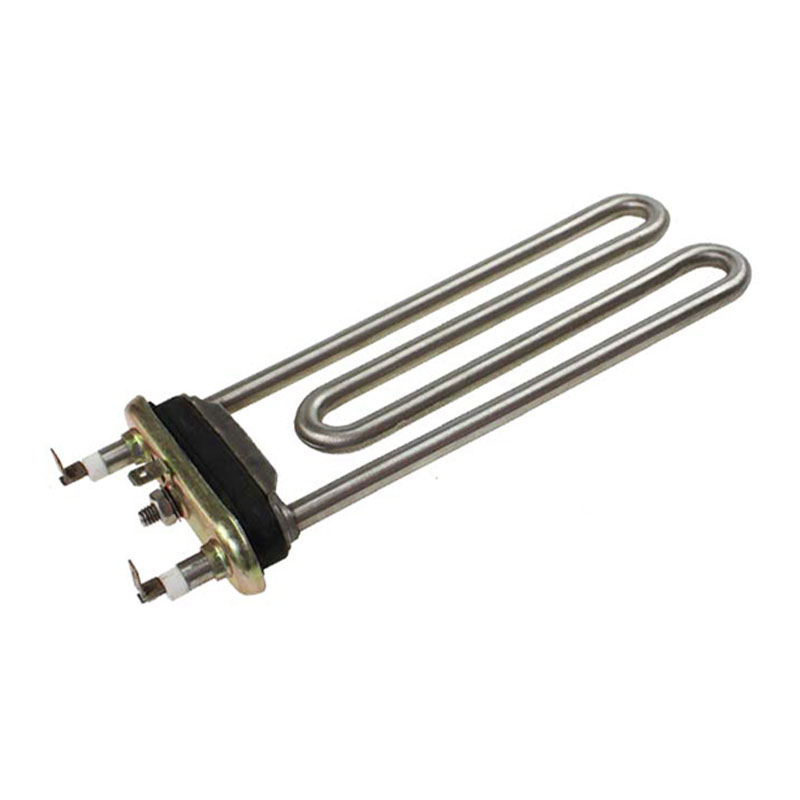
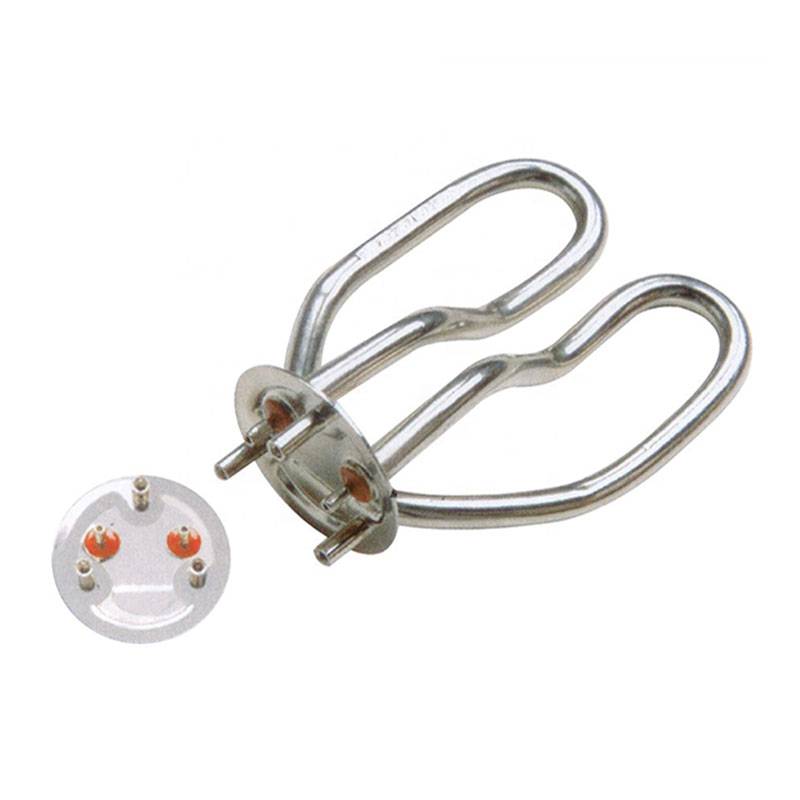
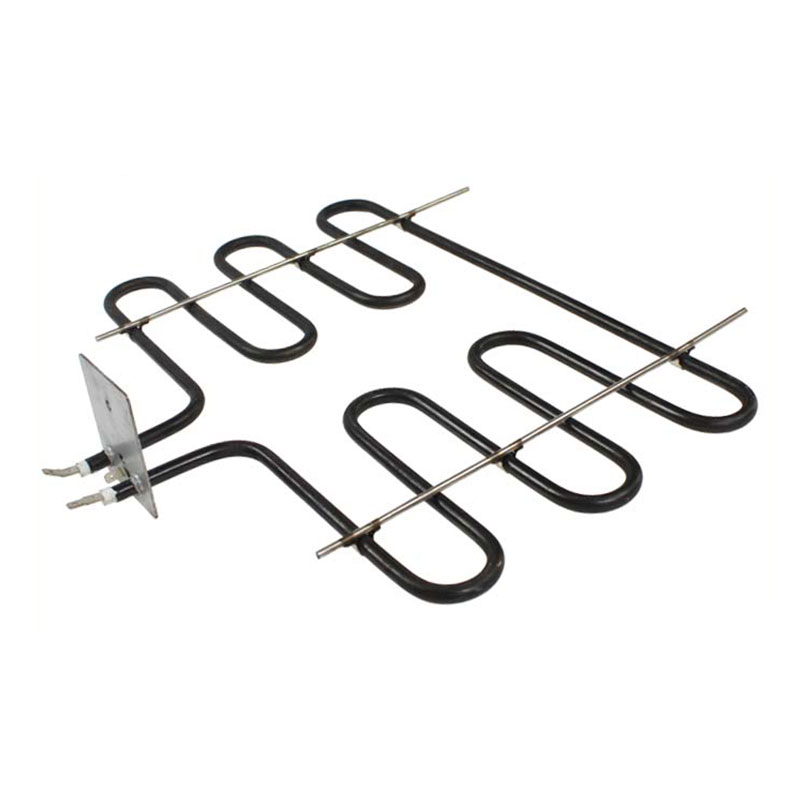
Metallic resistance heating elements are the most common and versatile category within the industry, primarily due to their excellent mechanical strength and predictable electrical characteristics. These elements are typically composed of metal alloys that possess high electrical resistance and a high melting point, allowing them to remain solid and stable even when they are glowing white-hot. The most recognized material in this category is Nickel Chromium, which is an alloy typically consisting of eighty percent nickel and twenty percent chromium. This specific ratio is favored because it forms a protective layer of chromium oxide when it is first heated. This microscopic oxide layer acts as a barrier that prevents further oxidation of the underlying metal, thereby extending the life of the element in oxygen-rich environments.
Another critical alloy in the metallic category is Iron Chromium Aluminum, often recognized by trade names like Kanthal. This material is capable of reaching higher operating temperatures than Nickel Chromium and is particularly effective in industrial furnaces where temperatures can exceed one thousand three hundred degrees Celsius. The addition of aluminum to the iron and chromium base leads to the formation of an aluminum oxide scale, which is even more resistant to high-temperature corrosion than chromium oxide. Because these metallic alloys are ductile, they can be drawn into thin wires, flattened into ribbons, or formed into heavy rods and coils, providing immense flexibility for equipment designers who need to fit a heating element into a specific geometric space.
The performance of metallic elements is also defined by their ability to withstand repeated thermal cycling. When a metal is heated, it expands, and when it cools, it contracts. If an alloy is not properly engineered, this constant movement can lead to work hardening or physical fatigue, eventually causing the element to become brittle and snap. High-quality metallic elements are designed to maintain their structural integrity throughout thousands of cycles, making them a reliable choice for household ovens, industrial heat-treating equipment, and space-heating units. The selection of the specific alloy depends heavily on the intended atmospheric conditions, as some metals thrive in reducing atmospheres while others require a steady supply of oxygen to maintain their protective surface layers.
Ceramic Heating Elements and PTC Technology
Ceramic heating elements represent a sophisticated departure from traditional metallic wires by utilizing the unique semi-conductive properties of advanced ceramic materials. Unlike metals, which typically show a linear increase in resistance as they get hotter, many ceramic heaters utilize Positive Temperature Coefficient, or PTC, technology. PTC ceramics are typically made from barium titanate or lead titanate and are engineered to have a very specific resistance-to-temperature curve. As the ceramic material reaches a certain threshold temperature, its electrical resistance increases dramatically and rapidly. This physical characteristic allows the element to act as its own thermostat, because as the material gets hotter, it naturally restricts the flow of current, thereby preventing overheating and maintaining a stable temperature without the need for complex external control circuits.
Aside from PTC models, alumina ceramic heaters are widely used in high-precision applications such as medical devices and analytical instruments. These elements are created by printing a resistive metal paste, often tungsten or molybdenum, onto a green ceramic sheet and then sintering the entire assembly at temperatures exceeding one thousand five hundred degrees Celsius. This process creates a hermetically sealed, integrated unit where the heating circuit is completely protected from the environment by a dense ceramic matrix. Because ceramics are excellent electrical insulators but can be engineered to be good thermal conductors, these elements provide exceptionally fast heat-up rates and can be placed in direct contact with liquids or gases without the risk of an electrical short circuit.
The durability of ceramic elements is a primary advantage in chemically aggressive environments. In situations where metallic elements would be quickly corroded by acids, alkalis, or reactive gases, ceramic materials like alumina or aluminum nitride remain chemically inert. This resistance to chemical attack makes them indispensable in semiconductor manufacturing and laboratory settings where purity is paramount. However, engineers must account for the inherent brittleness of ceramics. While they possess incredible compressive strength and can withstand immense heat, they are susceptible to thermal shock if they are cooled too rapidly or subjected to sudden mechanical impacts. Proper mounting and controlled ramp rates are essential to ensure the longevity of these high-performance thermal components.
|
Element Type
|
Common Materials
|
Maximum Temperature
|
Key Operational Advantage
|
|
Metallic Resistance
|
Nichrome, Kanthal
|
High (up to 1425°C)
|
Superior mechanical flexibility and ductility
|
|
Ceramic Elements
|
Barium Titanate, Alumina
|
Medium to High
|
Self-regulating safety and chemical inertness
|
|
Composite Elements
|
Silicon Carbide, MoSi2
|
Very High (up to 1850°C)
|
Extreme heat capability in oxidizing atmospheres
|
|
Infrared/Radiant
|
Quartz, Carbon Fiber
|
Medium
|
Rapid, direct heat transfer via electromagnetic waves
|
Silicon Carbide and Composite Heating Elements
When industrial processes require temperatures that exceed the capabilities of standard metallic alloys, silicon carbide and other composite elements become the primary solution. Silicon carbide heating elements are rigid, tubular or rod-shaped components made from high-purity silicon carbide grains that have been bonded together through a process called recrystallization. These elements are capable of operating at furnace temperatures up to one thousand six hundred degrees Celsius and are uniquely suited for heavy-duty industrial tasks such as glass melting, ceramic firing, and the sintering of powdered metals.
One of the most remarkable features of silicon carbide elements is their high power density. They can dissipate a large amount of energy per square inch of their surface area, which allows for smaller furnace designs and more efficient heating cycles. However, silicon carbide is subject to a phenomenon known as aging, which is the gradual increase in electrical resistance over time due to the slow oxidation of the material. To compensate for this, industrial power supplies must be able to increase the voltage delivered to the elements as they age to maintain a constant heat output. This requirement for specialized power control is a trade-off for the extreme temperature capabilities that silicon carbide provides.
A more advanced composite material in this category is Molybdenum Disilicide, which is a cermet material that combines the best properties of metals and ceramics. These elements can operate at temperatures as high as one thousand八百五十 degrees Celsius, making them some of the most powerful heating components available. When heated, Molybdenum Disilicide forms a thin, glassy layer of silica on its surface, which provides incredible protection against oxidation. If this silica layer is damaged, the material has a self-healing property where it will reform the protective coating as soon as it is exposed to oxygen at high temperatures. These elements are often used in laboratory research furnaces and high-tech manufacturing where the most extreme thermal conditions are required to process advanced materials.
Infrared and Radiant Heating Elements
Infrared heating elements function on a different physical principle than the previous three types, as they prioritize the transfer of heat through electromagnetic radiation rather than convection or conduction. While all hot objects emit some infrared energy, these specific elements are designed to maximize that emission in specific wavelengths to ensure the most efficient absorption by the target material. The core of an infrared heater is often a metallic or carbon filament enclosed in a protective tube made of high-purity quartz glass. Quartz is used because it is transparent to infrared radiation, allowing the energy to pass through the tube and strike the target without significantly heating the air in between.
There are three primary categories of infrared radiation, which are short-wave, medium-wave, and long-wave, and the choice between them depends on the absorption characteristics of the product being heated. For example, water and many organic materials absorb medium-wave infrared energy very effectively, making these elements ideal for industrial drying processes, food dehydration, and paint curing. Carbon fiber heating elements are particularly popular for medium-wave applications because they have a low thermal mass, allowing them to heat up and cool down almost instantly. This rapid response time is vital in automated manufacturing lines where the heat must be turned off immediately if the conveyor belt stops to prevent the product from scorching.
The efficiency of radiant heating lies in its ability to heat the object directly without needing to warm up the surrounding atmosphere. In large, drafty spaces such as warehouses or outdoor patios, traditional convection heaters would be highly inefficient because the warm air would simply rise and dissipate. Infrared heaters, however, transmit energy directly to the people and objects within their line of sight, providing immediate comfort and thermal energy. Furthermore, because these systems do not rely on moving air, they are perfect for cleanroom environments where dust and contaminants must be kept to a minimum. The design of the reflector behind the infrared element is just as important as the element itself, as a well-engineered gold or aluminum reflector can direct up to ninety-five percent of the emitted energy toward the target, making this one of the most efficient forms of industrial heating available.
Applications and Selection Criteria in Industrial Environments
The selection of a heating element is never a one-size-fits-all decision and requires a deep understanding of the thermal environment and the physical requirements of the process. For instance, in the aerospace industry, where components must be heat-treated in a vacuum to prevent any contamination, metallic elements are often the preferred choice due to their stability in low-pressure environments. In contrast, the food and beverage industry frequently relies on ceramic or infrared heaters because of their hygiene benefits and the ability to maintain precise, consistent temperatures that prevent the spoilage of sensitive products.
When evaluating which of the four types to implement, engineers must consider the watt density, which is the amount of power being dissipated over the surface area of the element. If the watt density is too high for the material, the element will fail prematurely regardless of its melting point. Thermal expansion is another critical factor, as elements that are constrained too tightly in their mounts can warp or break as they expand during operation. By understanding the interplay between material science, electrical engineering, and thermodynamics, industrial operators can ensure that their heating systems are both efficient and durable.
Each of the four categories of heating elements provides a specific set of advantages that cater to different stages of the industrial lifecycle. Metallic elements offer the best balance of cost and flexibility for general-purpose heating. Ceramic elements provide the safety of self-regulation and the chemical resistance needed for precision tasks. Silicon carbide and composite elements push the boundaries of temperature for heavy industrial processing. Finally, infrared elements offer the speed and directness required for modern, high-speed production lines. Together, these technologies form the backbone of the global thermal processing industry, enabling the creation of everything from the glass in our windows to the advanced alloys in our modern transportation systems.


 English
 русский
 Español
 عربى
عربى

 Custom Electric Heater Components Manufacturers