A household extension cord is one of those everyday items that many of us take for granted — until we need one and cannot find the right type. Whether you are plugging in a holiday lights display, powering a power tool in the garage, or simply extending the reach of a lamp across a large living room, the humble extension cord is an essential part of modern life. But not all extension cords are created equal, and choosing the wrong one can lead to overheating, tripped breakers, damaged appliances, or even electrical fires.
In this comprehensive guide, we will cover everything you need to know about household extension cords: what they are, how to choose the right gauge and length, the difference between indoor and outdoor cords, safety tips, common mistakes, and answers to the most frequently asked questions. By the end of this article, you will be confident in selecting the perfect extension cord for any job around your home.
What Is a Household Extension Cord?
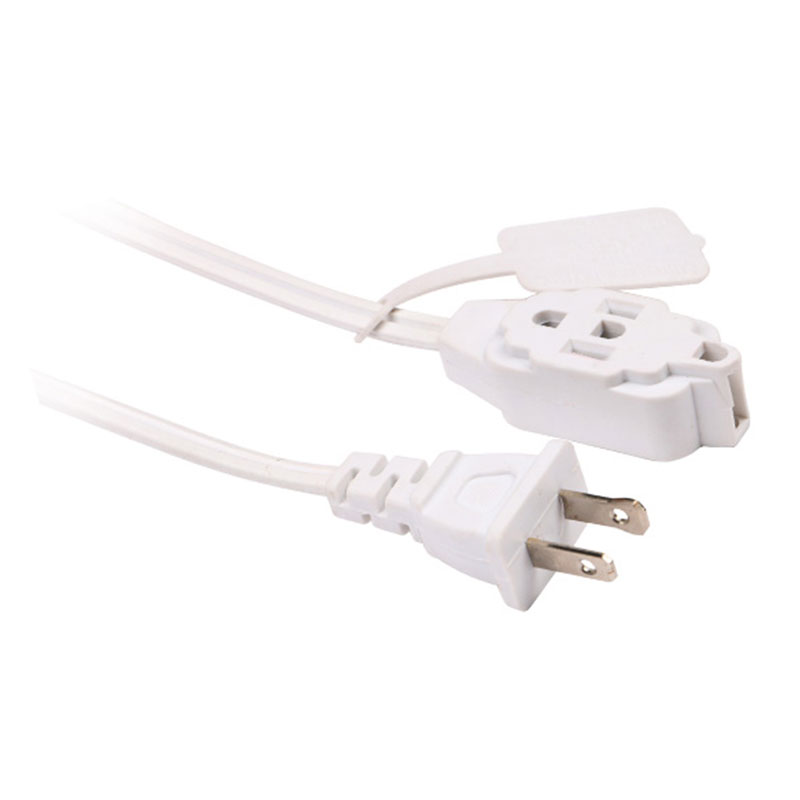
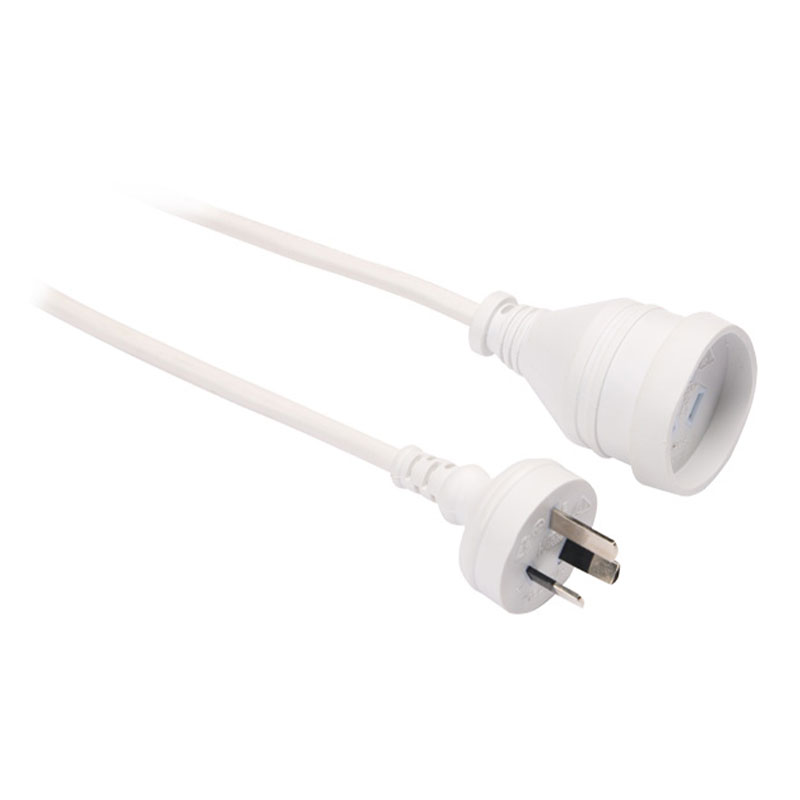
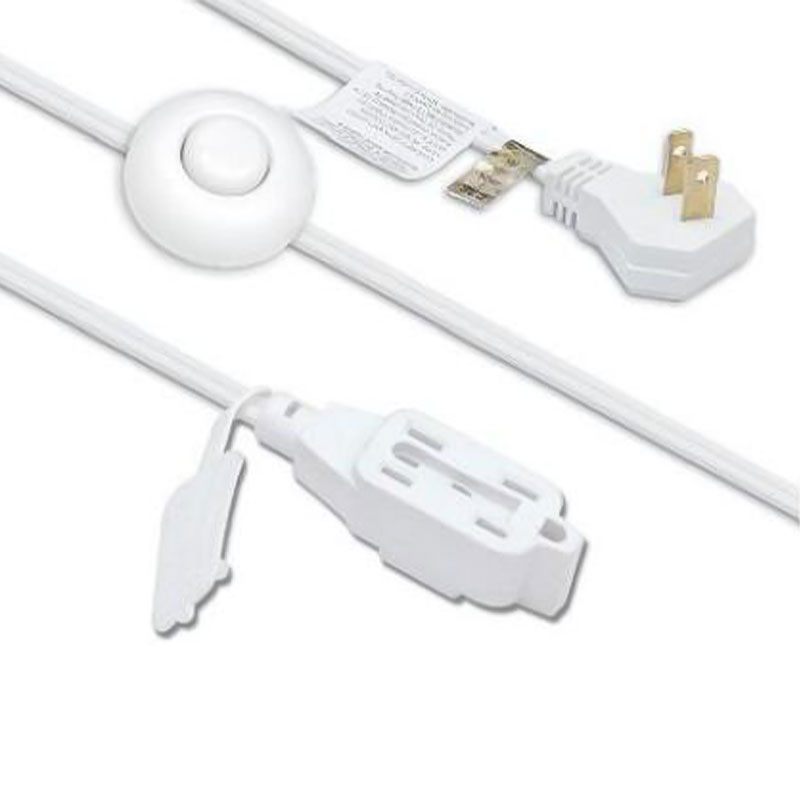
A household extension cord is a flexible length of electrical cable with a plug on one end and one or more sockets on the other. It is designed to temporarily extend the reach of an electrical outlet so that you can power devices, tools, or appliances that are located farther from the wall receptacle. Extension cords are available in various lengths (from 3 feet to over 100 feet), gauges (wire thickness), and ratings (indoor, outdoor, heavy-duty, etc.).
The key components of any extension cord include the conductors (wires inside), insulation, a male plug, and a female connector (or multiple outlets). The quality and safety of an extension cord depend heavily on the wire gauge, which determines how much electrical current the cord can safely carry.
Why Gauge Matters: Understanding Wire Sizes
The gauge of an extension cord refers to the thickness of the copper wire inside. In the American Wire Gauge (AWG) system, a lower number means a thicker wire, which can carry more current. For household extension cords, the most common gauges are 16 AWG, 14 AWG, and 12 AWG. Heavier-duty cords may use 10 AWG.
Here is a quick breakdown:
16 AWG: Suitable for light-duty applications such as lamps, clocks, small fans, and phone chargers. Maximum current capacity is around 10 amps. Best for short distances (25 feet or less).
14 AWG: Good for medium-duty use like power tools, vacuum cleaners, televisions, and larger appliances. Handles up to 15 amps. Good for distances up to 50 feet.
12 AWG: Heavy-duty cord for large appliances, shop tools, heaters, and outdoor equipment. Handles up to 20 amps. Can be used up to 100 feet safely.
10 AWG: Extra-heavy-duty for very high-power devices like RV connections or large air compressors. Handles 30 amps or more.
The rule of thumb is: the longer the cord, the thicker the gauge you need. Voltage drop increases with length, so a longer cord of the same gauge will deliver less power to your device. That is why many manufacturers provide length‑gauge recommendations on the packaging.
Indoor vs Outdoor Extension Cords: What Is the Difference?
Not all household extension cords are suitable for outdoor use. Here is what sets them apart:
Indoor extension cords are designed for dry, protected environments. They have a lighter insulation jacket that is not resistant to moisture, sunlight, or temperature extremes. They are usually rated for light to medium loads and are fine for inside your home.
Outdoor extension cords have a thicker, weather‑resistant jacket made of vinyl or rubber that can withstand rain, snow, and UV rays. They often feature a bright orange or yellow color for visibility. They also have water‑tight connectors to prevent moisture from entering the plug or socket. Always use an outdoor‑rated cord for any exterior application, including gardening tools, holiday lighting, and powering outdoor entertainment equipment.
Many extension cords are rated for both indoor and outdoor use — look for a label that says "indoor/outdoor" or "weather‑resistant."
Length and Voltage Drop: What You Need to Know
Voltage drop is the reduction in voltage that occurs as electricity travels along the wire. The longer the cord and the thinner the wire, the greater the voltage drop. This can cause your devices to run poorly, overheat, or even fail.
For example, a 100‑foot 16‑gauge cord powering a 10‑amp tool might drop voltage enough to reduce performance. That is why you should always match the gauge to the length. Manufacturers often provide charts that show the maximum recommended length for each gauge at a given amperage.
A common rule is:
For 16 AWG, keep it under 50 feet for light loads, and under 25 feet for heavier loads.
For 14 AWG, up to 50 feet is safe for 15 amps, and up to 100 feet for 10 amps.
For 12 AWG, you can safely go 100 feet with a 15‑amp load, and even longer for lower amperage.
Always check the rating on the cord label, which will state the maximum amperage and voltage it can handle.
Power Ratings: Amps, Watts, and How to Match Your Devices
Every extension cord has a maximum amperage rating. Before you plug anything in, add up the amperage (or wattage) of all devices you intend to connect. If you are using a multi‑outlet cord, the total load must not exceed the cord's rating.
To find the amperage of a device, divide its wattage by the voltage (120V in most US homes). For instance, a 1,500‑watt space heater draws 12.5 amps (1500/120 = 12.5). That would require a cord rated for at least 15 amps — so a 14 AWG cord would be appropriate for short lengths, but a 12 AWG would be safer for longer runs.
Never use an extension cord that is rated lower than the device's draw. This can cause the cord to overheat and potentially start a fire.
Types of Household Extension Cords: Which One Do You Need?
Beyond gauge and indoor/outdoor classification, there are several common types of household extension cords:
Light‑duty (16 AWG): Perfect for lamps, clocks, radios, phone chargers, and small fans. Often come in 3‑, 6‑, or 9‑foot lengths. They may have a flat or round profile and often feature a polarized plug (one prong wider than the other) for safety.
Medium‑duty (14 AWG): Suitable for vacuum cleaners, televisions, computers, power tools (drills, saws), and small kitchen appliances. These are usually 25 or 50 feet long.
Heavy‑duty (12 AWG): For workshop tools, table saws, lawn mowers, hedge trimmers, air compressors, and space heaters. Often supplied in 50‑ or 100‑foot lengths.
Extra‑heavy‑duty (10 AWG): For RV hookups, large generators, high‑powered construction equipment.
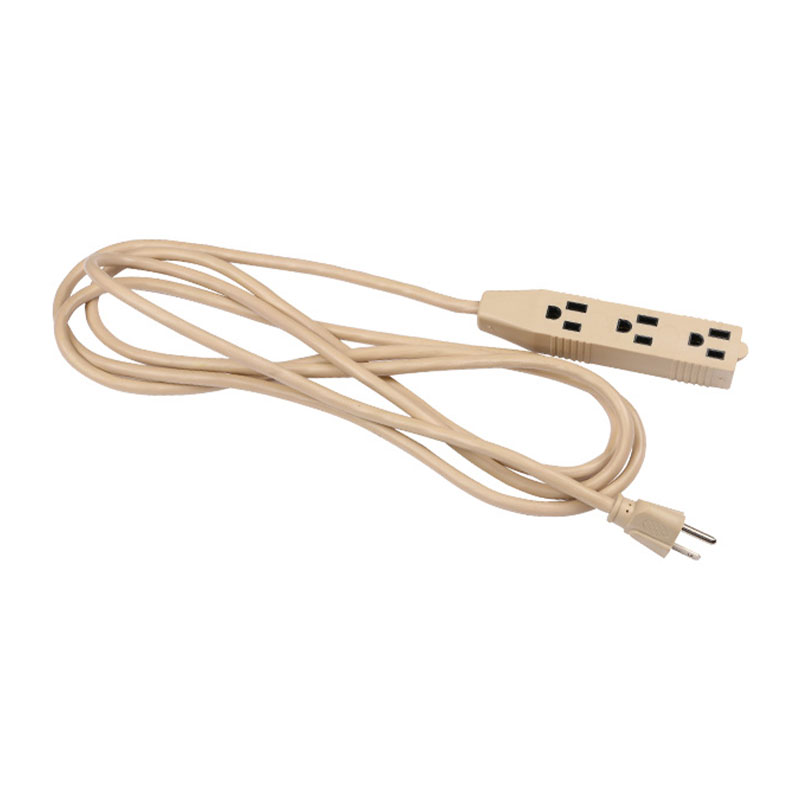
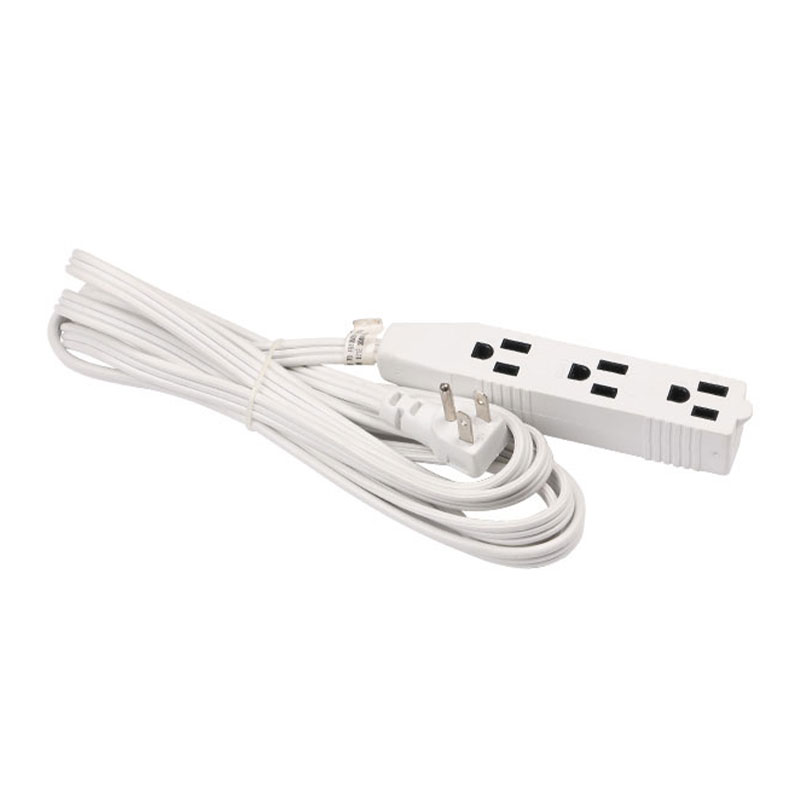
Specialty cords: These include cords with a built‑in circuit breaker (which trips if overloaded), cords with a lighted end to indicate power, and cords with multiple outlets at the end for powering several devices.
Some extension cords are also flat, which helps them fit under carpets or through tight spaces, while round cords are more durable and less likely to kink.
Safety First: How to Use a Household Extension Cord Correctly
Extension cords are safe when used properly, but they can become a hazard if misused. Follow these essential safety rules:
Never overload the cord. Ensure the total wattage of connected devices does not exceed the cord's rating. Overloading is the most common cause of cord fires.
Do not run cords under rugs, carpets, or furniture. This traps heat and can damage the insulation, leading to short circuits or fires. Also, walking on cords can damage the internal wires.
Never daisy‑chain multiple extension cords together. This increases resistance and can cause overheating. Use a single cord of adequate length instead.
Keep cords away from heat sources, water, and sharp objects. Heat melts insulation, water causes shorts, and sharp objects can cut the jacket.
Check the cord regularly for damage. Look for cracks, cuts, fraying, or bent prongs. If damaged, replace it immediately — do not try to repair it with tape.
Unplug by pulling the plug, not the cord. Pulling the cord damages the internal connections and can expose wires.
Use the correct cord for the job. Indoor cords belong indoors; outdoor cords are built for the elements. Also, match the gauge to the device's power requirements.
Store cords properly. Coil them loosely to avoid kinks and twists. Do not wrap them tightly around sharp corners.
Common Mistakes to Avoid When Using Household Extension Cords
Even experienced users make mistakes. Here are the most frequent ones and how to avoid them:
Using a cord that is too long or too short. A cord that is too long increases voltage drop and may overheat. A cord that is too short forces you to use multiple cords or stretch it, which damages the connections. Always choose the right length for the job.
Ignoring the cord's ampere rating. Many people assume all cords are the same. But using a 16‑gauge cord for a 15‑amp appliance is dangerous. Always read the label.
Leaving cords plugged in when not in use. This wastes energy and increases wear on the insulation. Also, plugged‑in cords are a tripping hazard and can be damaged by pets or children.
Using a three‑prong (grounded) cord without a grounded outlet. If you use a cheater plug to fit a three‑prong cord into a two‑prong outlet, you lose the grounding protection. This is unsafe for devices that require grounding.
Plugging a high‑wattage device into a cheap, thin cord. Cheap cords often have undersized wires or poor insulation. Spend a little more for quality.
How to Choose the Right Household Extension Cord for Your Needs
Choosing the right extension cord involves answering a few simple questions:
What devices will you power? Add up their wattage or amperage. If you are using a power tool, check its nameplate.
Where will you use it? Indoors, outdoors, or both? This determines whether you need a weather‑resistant jacket.
How far from the outlet will you be? Measure the distance. Add a few extra feet for flexibility, but do not overdo it.
How long will you use it? If you are using a continuous load (like a heater), you need a heavier gauge than for intermittent use.
Based on these answers, you can select the proper gauge, length, and rating. For example, if you need to run a 12‑amp circular saw 50 feet away from an outlet, you would need a 12‑gauge outdoor‑rated cord. For a table lamp 15 feet away, a 16‑gauge indoor cord is fine.
Extension Cords for Holiday Lighting and Seasonal Use
One of the most common uses for household extension cords is decorating for holidays. When putting up lights, consider these tips:
Use outdoor‑rated cords for exterior lights. They are more durable and won't degrade in the weather. Plan the layout so that you do not overload any single circuit. Many light strings have daisy‑chain capability, but you still need to ensure the total wattage does not exceed the breaker rating. Use a cord with multiple outlets if you need to plug in several strings, and always use a GFCI‑protected outlet outdoors. Finally, unplug all decorative lights when you are not home or when you go to bed.
Power Strips vs Extension Cords: What Is the Difference?
Many people confuse extension cords with power strips. A power strip (or surge protector) has multiple outlets built into a single block and often includes a circuit breaker or surge protection. It is designed to provide multiple sockets in a fixed location. An extension cord, on the other hand, is a single cable with a plug on one end and one or more outlets on the other, meant to extend reach. While a power strip can be used as a makeshift extension cord, it is not designed for long distances. For extending distance, use an extension cord; for adding outlets at a convenient location, use a power strip — but never daisy‑chain them together.
Environmental and Durability Considerations
Not all extension cords are built equally. Look for cords with a durable jacket material, such as PVC or rubber. Rubber jackets are more flexible in cold weather, while PVC is more common and cost‑effective. For outdoor use, look for "SJW" or "STW" ratings on the cord — these indicate heavy‑duty, weather‑resistant construction. Also, consider cords with a bright color to avoid tripping hazards and to make them visible in the dark.
Some premium cords include a strain relief at the plug ends to prevent the wire from pulling out. They may also feature a lighted plug to confirm power is available. These extras add to the cost but can improve safety and convenience.
How to Maintain and Store Your Extension Cords
To extend the life of your household extension cords, follow these maintenance tips:
Inspect cords before each use. Look for cracks, cuts, or exposed copper. If the insulation is damaged, discard the cord.
Keep cords clean. Wipe them down with a damp cloth to remove dirt and debris. Do not use solvents that may attack the insulation.
When storing, coil the cord in a loose figure‑eight pattern to prevent twisting and kinking. Use a cord reel or hook to keep it off the floor. Avoid storing cords in extremely hot or cold areas, as temperature extremes can degrade the insulation.
Do not hang cords by the plug — this stresses the connection. Instead, wrap the cord around a spool or reel.
When to Replace an Extension Cord
Extension cords are not lifetime products. Replace a cord if you notice any of these signs:
Frayed or cracked insulation, exposed wires, bent or loose prongs, discoloration or melting near the plug, or if the cord feels hot to the touch during normal use (which indicates internal damage or overload). Never use a damaged cord; it is a serious fire and shock hazard.
The Environmental Impact of Extension Cords
Extension cords are often made from copper and plastic, both of which have environmental footprints. When disposing of old cords, recycle them if possible. Many municipalities accept copper wire for recycling. Choose cords with energy‑efficient designs (like thicker gauge to reduce waste heat) and try to buy quality cords that last longer, reducing the need for frequent replacements.
Frequently Asked Questions About Household Extension Cords
What is the best gauge for a household extension cord?
The best gauge depends on the load and length. For light loads (lamps, phone chargers) and short distances (under 25 feet), 16 AWG is sufficient. For most household tools and appliances up to 15 amps, 14 AWG works well. For heavy loads (heaters, large saws, air conditioners) or longer distances, choose 12 AWG or even 10 AWG for very high power.
Can I use an indoor extension cord outdoors?
No. Indoor cords lack the weather‑resistant jacket needed to withstand moisture, UV rays, and temperature changes. Using one outdoors can lead to insulation breakdown, shorts, and fire hazards. Always use a cord rated for outdoor use if you are going outside.
How long can an extension cord be safely used?
There is no absolute maximum, but voltage drop increases with length. For a 15‑amp load, 12 AWG can safely run up to 100 feet, 14 AWG up to 50 feet, and 16 AWG up to 25 feet. For lower amperage, you can go longer. Always consult the cord's rating and derate for longer lengths.
Can I plug a space heater into an extension cord?
Yes, but with caution. Space heaters draw a lot of power (often 12–15 amps). Use a heavy‑duty cord rated for at least 15 amps (14 AWG or thicker) and keep the length as short as possible. Never use a lightweight (16 AWG) cord. Also, never run a heater on an extension cord under a rug or across a walkway.
What does the "SJ" or "ST" designation mean on extension cords?
These are service cord ratings. "S" means extra‑hard service, "J" means hard service, and "T" means thermoplastic. For heavy‑duty use, look for SJT, SJOW, or STW. The "W" indicates weather‑resistant. These codes help you identify the cord's durability and use case.
Why do some extension cords have three prongs?
The third prong is the ground pin, which provides an extra path for electrical current in case of a fault, reducing the risk of shock. Devices with metal housings or high power consumption require grounded cords. Use only grounded outlets with these cords.
Can I connect two extension cords together?
It is not recommended. Daisy‑chaining increases resistance, voltage drop, and heat buildup. It also introduces more points of failure. If you need a longer reach, buy a single cord of the required length. If you must connect, ensure both cords are heavy‑duty and that the total load does not exceed the rating of the thinner cord.
What is the difference between a power strip and an extension cord?
A power strip is a block with multiple outlets, often with surge protection and a circuit breaker. It is designed to provide multiple sockets at a fixed location. An extension cord is a flexible cable that extends the reach of a single outlet. They serve different purposes; do not use a power strip as a long‑distance extension.
How do I know the amperage rating of my extension cord?
Check the label on the cord or the packaging. The label usually states the maximum amperage (e.g., "15A") or wattage (e.g., "1800W"). You can also determine it by gauge: 16 AWG = 10A, 14 AWG = 15A, 12 AWG = 20A, 10 AWG = 30A (for typical household lengths).
Can extension cords cause fires?
Yes, if used improperly. Overloading, damaged insulation, running under carpets, or using the wrong gauge can generate excessive heat and cause insulation to melt, leading to short circuits and fires. Always follow safety guidelines.
Is it safe to use an extension cord with a refrigerator?
It is not recommended for permanent use. Refrigerators draw a high starting current, and the cord may cause voltage drop that affects the compressor. If you must use one temporarily, use a 12‑gauge cord and keep it as short as possible. For permanent installations, have an electrician install a new outlet near the refrigerator.
What does "polarized plug" mean?
A polarized plug has one prong wider than the other. This ensures that the hot and neutral wires are connected correctly to the appliance, reducing the risk of shock. Always use polarized cords with polarized outlets.
Can I leave an extension cord plugged in all the time?
Leaving a cord plugged in when not in use is not recommended. It wastes energy, increases wear, and can be a tripping or fire hazard. Unplug cords when they are not needed.
How should I coil an extension cord to prevent damage?
Use a loose figure‑eight or over‑under coiling method. Avoid tight wraps around sharp corners, which can break the internal wires. Store the cord on a reel or hook in a cool, dry place.
Are there extension cords with built‑in GFCI protection?
Yes. Some cords include a GFCI (Ground Fault Circuit Interrupter) module near the plug, which shuts off power if it detects a ground fault. These are especially useful for outdoor use to prevent electric shock in wet conditions.


 English
 русский
 Español
 عربى
عربى

 Custom Electric Heater Components Manufacturers