What Is a Car Immersion Water Heater?
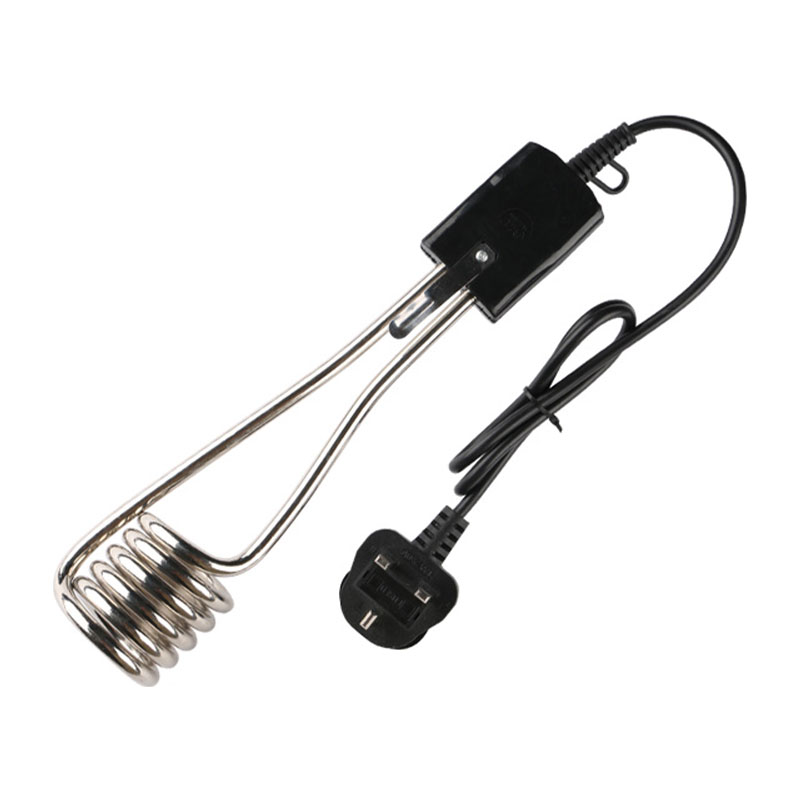
A car immersion water heater is a heating device that is immersed in a liquid – either the engine's coolant or water in a cup – to raise its temperature. There are two main categories:
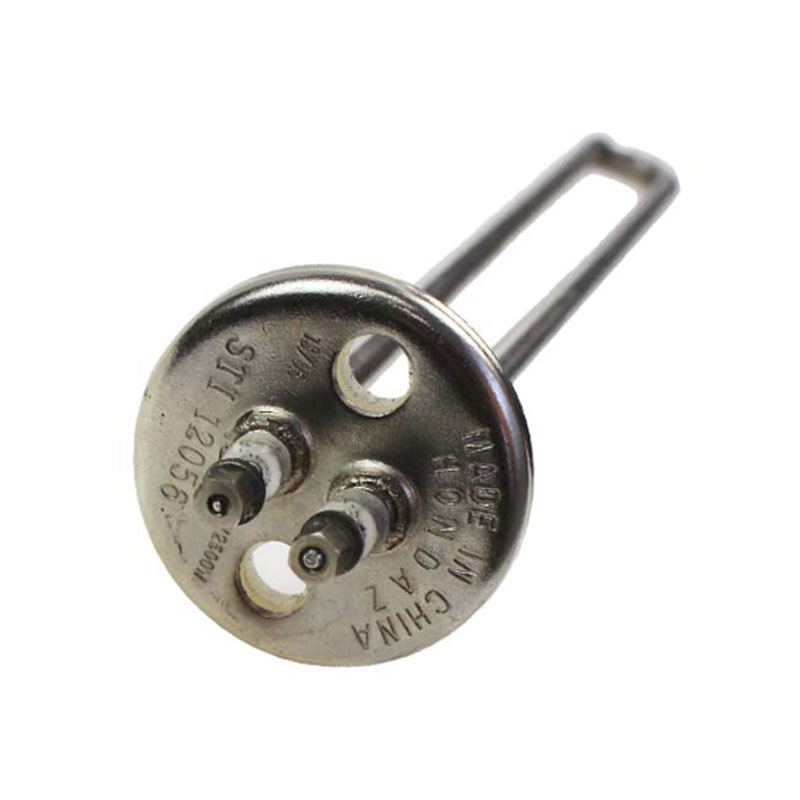
Engine block immersion heaters are installed directly into the engine block or coolant system. They replace one of the engine's freeze plugs or are threaded into a dedicated port. When plugged into a standard household outlet (typically 120V or 240V), the heating element warms the coolant, which then transfers heat to the engine block itself. This makes starting the engine easier, reduces wear, and improves cabin heater output.
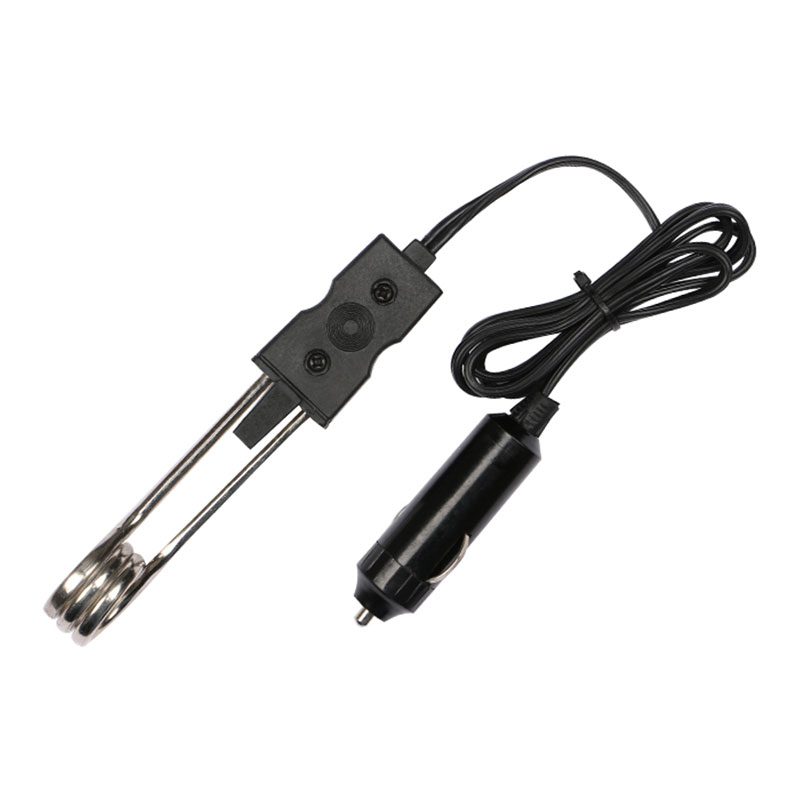
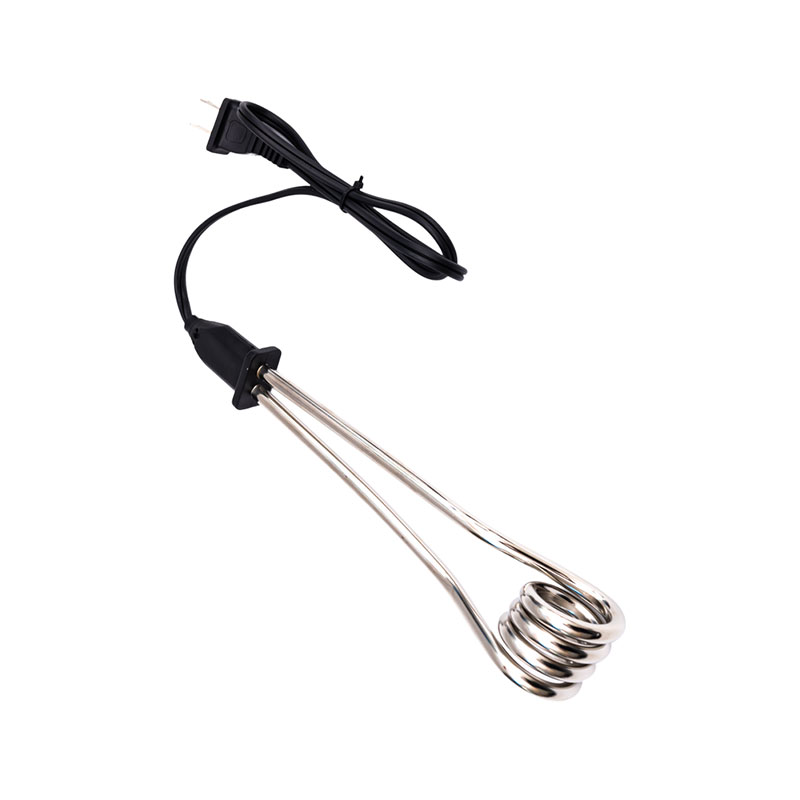
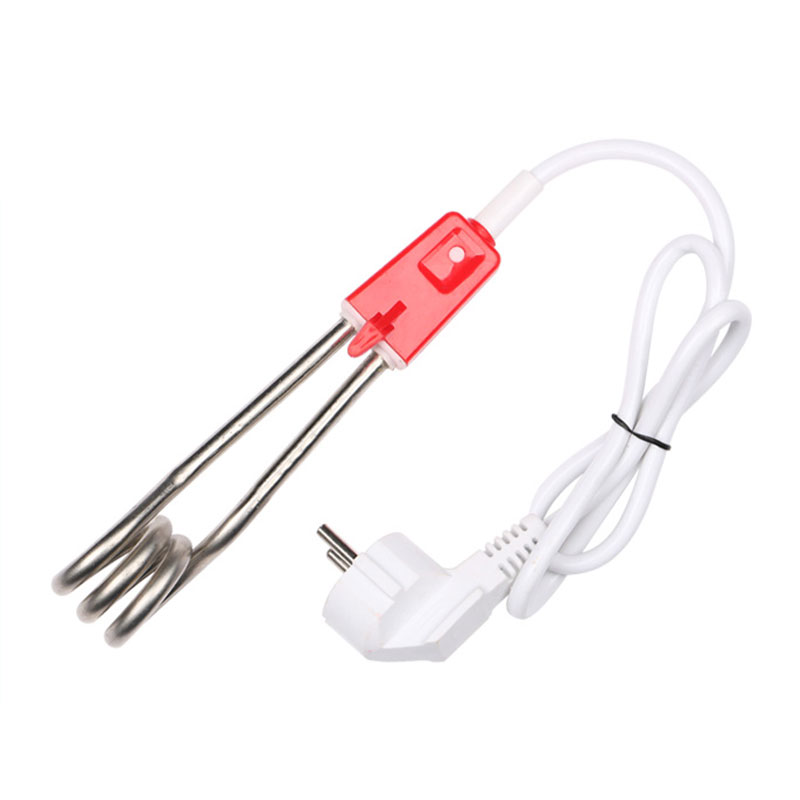
Portable 12V/24V immersion heaters, on the other hand, are small, handheld devices that plug into a vehicle's cigarette lighter socket. They are designed to heat water, coffee, tea, soup, or other liquids in a cup or container while you are on the road. These are popular among campers, road trippers, and commuters who want hot beverages without needing a separate kettle or stopping at a café.
Although both are called "immersion heaters," their applications, power sources, and installation methods are completely different. The following sections explore each type in detail.
Engine Block Immersion Heaters: Protecting Your Engine in Winter
Cold starts are one of the most damaging events for an internal combustion engine. When the temperature drops, engine oil becomes significantly more viscous, slowing its circulation and leaving moving parts with a dangerously thin oil film. Metal components contract, altering precise tolerances. The result is increased friction, accelerated wear, and a disproportionate amount of an engine's overall lifetime wear occurring during cold starts.
An engine block immersion heater addresses this problem by preheating the coolant before you start the engine. By maintaining the engine block and coolant at an elevated temperature – often between 100°F and 120°F – the system effectively bypasses the high-wear phase of a cold start. This leads to easier starting, reduced emissions, quicker cabin heat, and extended engine and starter component life.
Types of Engine Block Immersion Heaters
There are several variations of engine block heaters, with immersion-type being the most effective.
Freeze plug (core plug) heaters are the most common type of immersion heater. They replace one of the engine's freeze plugs, with the heating element extending directly into the coolant jacket. This provides direct and efficient heat transfer to the surrounding fluid. Installation requires draining a portion of the coolant and accessing the freeze plug port, making it a more involved procedure than other heating methods, but it is highly effective.
Threaded immersion heaters screw into a dedicated threaded port on the engine block or cylinder head, rather than replacing a freeze plug. They offer a cleaner installation and are often used on newer engines that have pre-drilled ports for this purpose.
Inline coolant heaters are spliced into one of the coolant hoses and often incorporate a small pump to circulate the warmed coolant, distributing heat more evenly throughout the block. These are more complex to install but provide more uniform heating.
How to Choose an Engine Block Immersion Heater
When selecting an engine block immersion heater, consider the following factors:
Climate: If you live in a region where winter temperatures often drop below freezing, an engine block heater is a worthwhile investment. Diesel engines, which rely on heat for proper combustion, benefit even more.
Compatibility: Engine block heaters are engine-specific. The heater must be the correct size and type for your particular engine. Freeze plug heaters require knowing the diameter of the freeze plug you are replacing. Threaded heaters require the correct thread size and pitch. Always check compatibility with your vehicle's make, model, and engine size.
Wattage: Engine block heaters typically range from 400W to 1500W. Higher wattage provides faster heating but may require a dedicated circuit. For most passenger vehicles, 400W to 750W is sufficient. For larger diesel engines or extreme cold climates, 1000W or more may be beneficial.
Installation: Installing an immersion heater requires draining a portion of the coolant and accessing a specific port on the engine block. It also requires draining the cooling system and potentially flushing it. The heater assembly should be tightened to the specified torque. If you are not confident in your mechanical skills, professional installation is recommended. Some heaters come with a locking system for simpler installation.
Installation Tips for Engine Block Immersion Heaters
Before installing, unpack and inspect the heater for any damage. Ensure that the line voltage matches the heater's nameplate rating. Drain the engine coolant and flush the system if necessary. Locate the appropriate port on the engine and remove the plug or freeze plug. Inspect to ensure there is a clean surface for the O-ring to seal against. Install the heater assembly and tighten to the specified torque. After installation, refill the cooling system with the recommended coolant and check for leaks.
Portable 12V/24V Immersion Heaters: Hot Drinks on the Go
For travelers, campers, and commuters, a portable car immersion water heater offers the convenience of hot beverages without needing to stop at a café or carry a bulky thermos. These small devices plug directly into a vehicle's 12V or 24V cigarette lighter socket and heat water, coffee, tea, soup, or other liquids in minutes.
Portable immersion heaters typically have a power rating of 120W to 140W. They are made from stainless steel and heat-resistant plastics such as Bakelite or ABS, making them heat-resistant, dustproof, and corrosion-resistant. Many models can boil up to 500ml of liquid in about 10 minutes. Some higher-powered models (e.g., 150W) can heat a cup of liquid in just one minute.
Key Features to Consider in a Portable Immersion Heater
When choosing a portable car immersion water heater, consider the following features:
Voltage compatibility: Most models are designed for 12V systems, but some are 24V or dual-voltage (12V/24V). Ensure the heater matches your vehicle's electrical system. Using a 12V heater in a 24V system will damage it, and vice versa.
Power output: Higher wattage (e.g., 140W vs 120W) means faster heating. However, higher power also draws more current from your vehicle's electrical system. Most 12V immersion heaters draw 10-12 amps at full power, which is within the capacity of most cigarette lighter sockets (typically fused at 10-15A).
Material and build quality: Look for heaters made from stainless steel heating elements and heat-resistant, durable plastic handles. Stainless steel resists corrosion and is safe for food contact. The handle should remain cool to the touch during operation.
Safety features: Overheat protection prevents the device from becoming dangerously hot. Waterproof or water-resistant design ensures safe operation in wet conditions. Some models have automatic shut-off when the desired temperature is reached or when removed from the liquid.
Portability: A compact, lightweight design makes it easy to store in a glove compartment or travel bag. Some models come with a storage case for added convenience.
How to Use a Portable Immersion Heater Safely
Using a portable car immersion water heater is straightforward, but safety is paramount. Follow these guidelines:
Always use the heater in a container that can withstand heat, such as a ceramic mug or a heat-resistant glass. Never use plastic containers unless they are explicitly rated for hot liquids. Ensure the heating element is fully submerged in the liquid before plugging it in – running it dry will damage the element. Never immerse the plug or handle in liquid. Plug the heater directly into the cigarette lighter socket, and do not use extension cords or adapters that may not handle the current. After use, unplug the heater and allow it to cool before storing. Never touch the heating element immediately after use – it remains extremely hot.
Some users have experimented with using portable immersion heaters to warm engine coolant as well, but this is not recommended. Portable heaters are not designed for this purpose and lack the power and thermal capacity to effectively heat an engine's cooling system. They also present a fire and electrical hazard if used improperly in an engine bay. For engine preheating, always use a dedicated engine block heater.
Engine Block Heater vs. Portable Immersion Heater: Which Do You Need?
The choice between an engine block immersion heater and a portable immersion heater depends entirely on your needs.
If you live in a cold climate and struggle with starting your vehicle in winter, or if you want to reduce engine wear and improve cabin heating, an engine block immersion heater is the right choice. It is a permanent installation that provides significant benefits for the life of your vehicle. However, it requires a 120V or 240V household outlet to operate, so it is only useful when your vehicle is parked near a power source.
If you are a traveler, camper, or commuter who wants hot drinks on the road, a portable 12V/24V immersion heater is the answer. It is inexpensive, portable, and does not require any installation. Simply plug it into your vehicle's cigarette lighter socket and you have hot water in minutes. However, it is not designed for engine preheating and should never be used for that purpose.
Some vehicle owners may benefit from both: an engine block heater for winter mornings at home, and a portable immersion heater for road trips and camping.
Frequently Asked Questions (FAQ)
Can I use a portable 12V immersion heater to preheat my car engine? No. Portable immersion heaters are designed for heating small amounts of liquid in cups or containers. They lack the power and thermal capacity to heat an engine's coolant system, and using them in an engine bay poses fire and electrical hazards.
How long does it take for an engine block immersion heater to warm the engine? Typically 1-3 hours, depending on the heater's wattage, the outside temperature, and the size of the engine. Most users plug in their heater 2-3 hours before starting the vehicle. Some use a timer to automate the process.
How long does a portable 12V immersion heater take to boil water? Most portable immersion heaters can boil up to 500ml of water in about 10 minutes. Higher-powered models (e.g., 150W) can heat a cup of liquid in about 1 minute.
Will a portable immersion heater drain my car battery? Portable immersion heaters draw 10-12 amps. If used for 10-15 minutes while the engine is running, the alternator will easily supply the power. If used with the engine off, it could drain the battery over time. Always run the engine while using a portable immersion heater to avoid battery discharge.
Can I use a portable immersion heater for soup or other liquids? Yes, as long as the liquid is water-based and the container is heat-resistant. Avoid heating thick liquids like heavy syrups, as they may scorch on the element.
Are engine block immersion heaters difficult to install? They require mechanical skill, including draining and refilling coolant and accessing the engine block. For many vehicle owners, professional installation is recommended.
Do engine block immersion heaters work with diesel engines? Yes, in fact they are especially beneficial for diesel engines, which require higher cranking speeds and more heat for combustion. Diesel engines often have block heaters as factory options.
What wattage engine block heater do I need? For most gasoline engines, 400-750W is sufficient. For diesel engines or extreme cold climates (below -20°F), consider 1000W or higher.
How much does a portable 12V immersion heater cost? They typically range from $15 to $40, depending on the brand, build quality, and wattage.
Are engine block immersion heaters safe? Yes, when installed correctly and used according to the manufacturer's instructions. They have built-in thermal protection to prevent overheating. Always ensure the power cord is in good condition and not routed near hot engine parts.
Can an engine block immersion heater improve fuel economy? Yes, by reducing the time it takes for the engine to reach operating temperature, it can improve combustion efficiency, leading to better fuel economy in cold weather.
Do portable immersion heaters work with European 24V systems? Some models are dual-voltage (12V/24V) or specifically designed for 24V. Check the specifications before purchase.
Can I use a portable immersion heater while driving? Yes, but be cautious. The device must be securely placed in a stable cup holder to prevent spillage. Never reach for the heater while driving; wait until you are safely parked.
How do I know if an engine block heater is compatible with my vehicle? Consult the vehicle owner's manual, contact the dealer, or use an online compatibility tool from the heater manufacturer. Many brands offer application guides.
Final recommendation: Whether you need to protect your engine from winter's harsh effects or simply want a hot drink on the go, a car immersion water heater can be an invaluable tool. Choose the type that matches your specific needs: a permanent engine block heater for reliable winter starting, or a portable 12V immersion heater for beverage convenience. With proper selection and usage, these devices provide comfort, convenience, and peace of mind.


 English
 русский
 Español
 عربى
عربى

 Custom Electric Heater Components Manufacturers