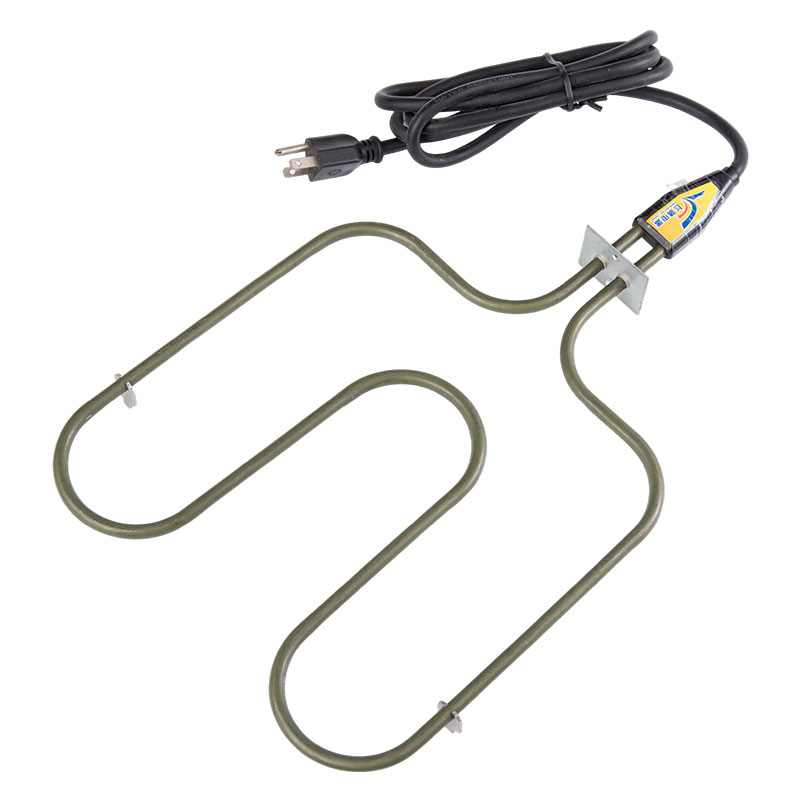
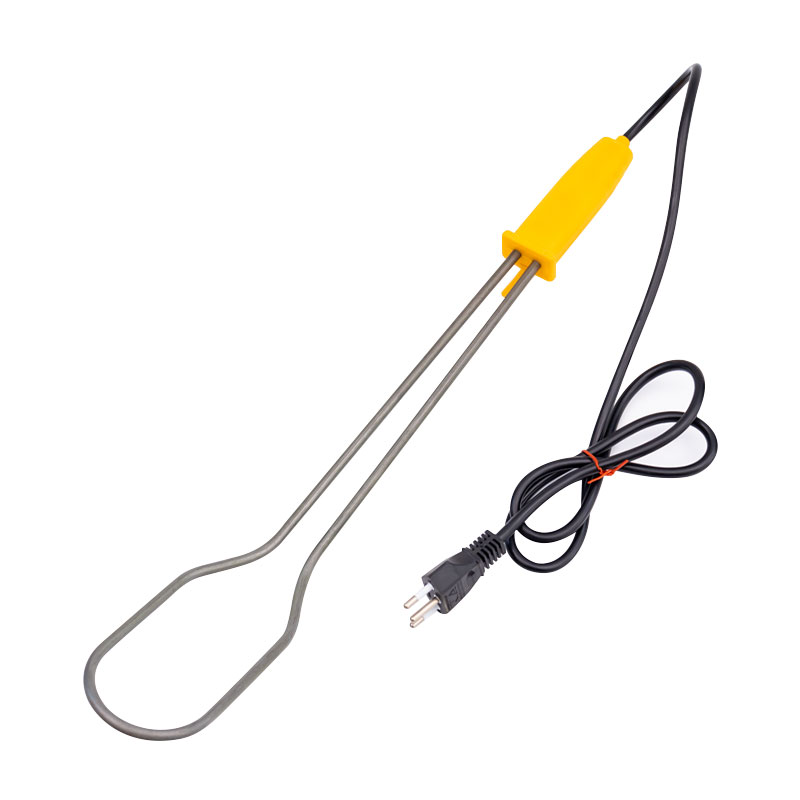
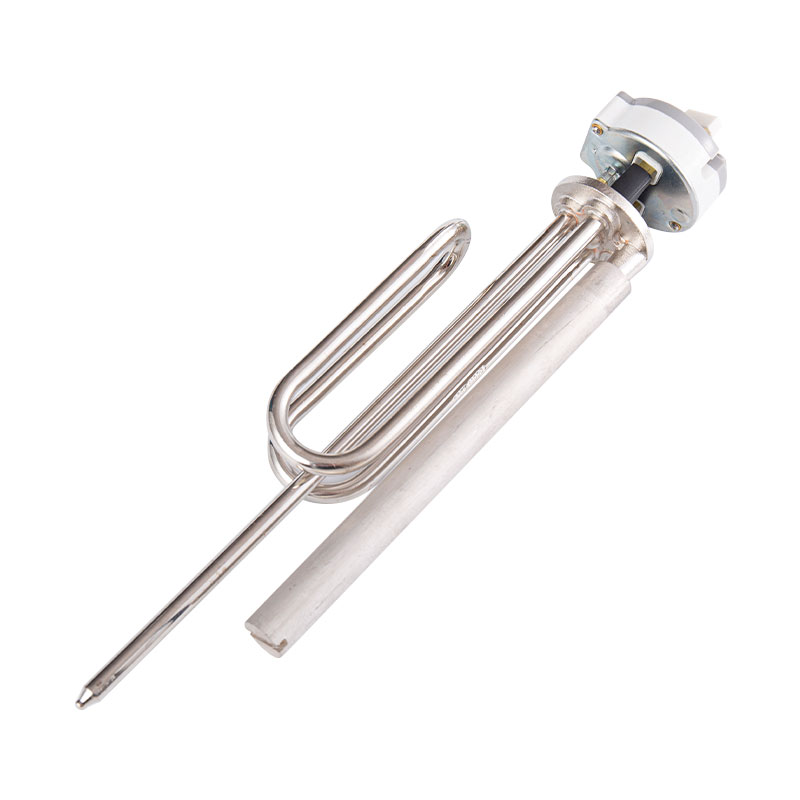
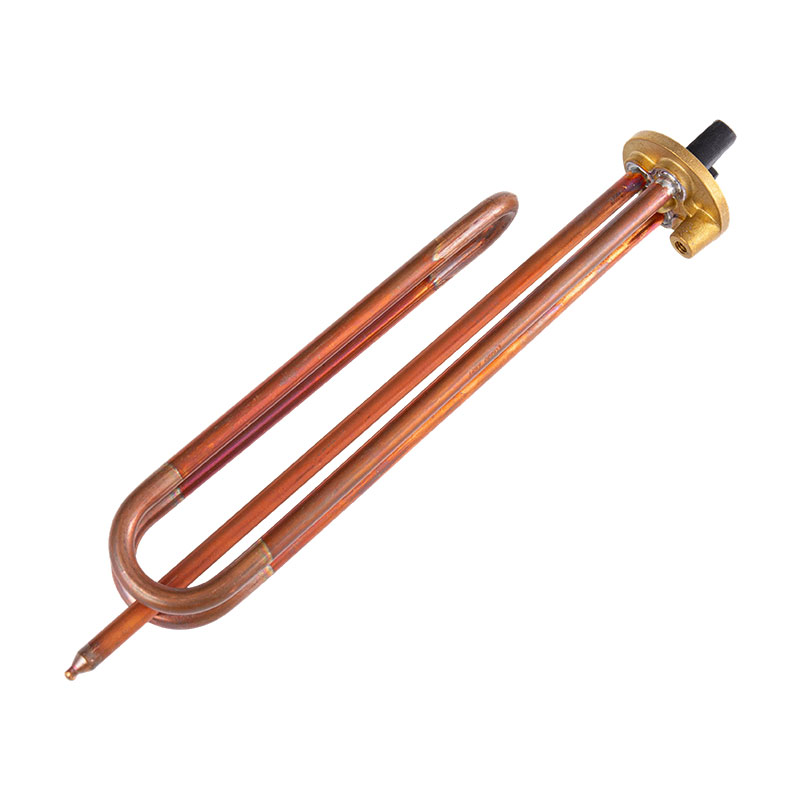
In the field of thermal engineering and industrial processing, the Dry-Burning Electric Heating Element stands as a critical component for applications where heat must be transferred to air, gases, or solid surfaces rather than being immersed in a liquid. Unlike immersion heaters that rely on the high heat capacity and convective cooling of water or oil, the Dry-Burning Electric Heating Element must operate in environments where heat dissipation is significantly less efficient. This requires a sophisticated approach to metallurgical selection, internal insulation density, and surface load management. These elements are the backbone of industrial ovens, load banks, hot air duct systems, and plastic processing machinery. This analysis explores the structural architecture, thermodynamic challenges, and protective material sciences that allow these elements to maintain consistent performance without undergoing catastrophic thermal failure.
What Are the Core Structural Components and Material Selections that Define a High-Performance Dry-Burning Electric Heating Element?
The internal design of a Dry-Burning Electric Heating Element is a masterpiece of material synergy, where every layer is engineered to withstand extreme temperatures while maintaining electrical isolation.
-
High-Tenacity Resistance Wire and Ohmic Stability: At the heart of the Dry-Burning Electric Heating Element is the resistive alloy, typically composed of Nickel-Chromium (NiCr 80/20) or Iron-Chromium-Aluminum (FeCrAl). For dry-burning applications, the NiCr alloy is often preferred due to its superior mechanical strength at high temperatures and its ability to form a stable, protective layer of chromium oxide. This wire must be precision-coiled to ensure a uniform "watt density" across the entire length of the element. If the coiling is uneven, "hot spots" will develop, leading to localized oxidation and premature snapping of the wire. In a dry-burning scenario, the wire must be rated for temperatures often exceeding 1000°C, as the lack of a liquid medium means the internal core temperature will always be significantly higher than the surface temperature of the sheath.
-
Modified Magnesium Oxide (MgO) as a Thermal Conduit: Surrounding the resistance wire is the insulation medium, which is almost exclusively high-purity Magnesium Oxide powder. For a Dry-Burning Electric Heating Element, the MgO must be "modified" or specially graded to maximize thermal conductivity while maintaining high dielectric strength. During the manufacturing process, the element undergoes a "shrinking" or "reduction" phase where the tube diameter is compressed using a rolling mill. This increases the density of the MgO, ensuring that there are no air pockets within the element. Air is an insulator; any void inside the tube would act as a thermal barrier, causing the resistance wire to overheat and burn out. The density of the MgO in a dry-burning element is typically much higher than that found in standard immersion heaters to compensate for the slower external heat transfer.
-
High-Temperature Sheath Alloys and Oxidation Resistance: The outer casing, or sheath, of the Dry-Burning Electric Heating Element is the first line of defense against the environment. Standard Stainless Steel 304 is often insufficient for true dry-burning conditions where surface temperatures can reach 600°C to 800°C. Instead, engineers utilize Stainless Steel 310S or Incoloy 800/840. These alloys contain higher concentrations of Nickel and Chromium, which provide exceptional resistance to scaling and atmospheric corrosion. Incoloy, in particular, is used for heavy-duty industrial air heaters because it maintains its structural rigidity at glowing-red temperatures, preventing the element from warping or sagging under its own weight during operation.
|
Technical Specification
|
Standard Immersion Element
|
Dry-Burning Electric Heating Element
|
Finned Dry-Burning Element
|
|
Surface Load Limit
|
6 - 15 $W/cm^2
|
2 - 4 W/cm^2
|
3 - 6 W/cm^2
|
|
Sheath Material
|
SS304 / Copper
|
SS310S / Incoloy 800
|
SS304 / SS321 with Al-Steel Fins
|
|
Max Surface Temp
|
~100°C (in water)
|
600°C - 850°C
|
400°C - 600°C
|
|
Internal Insulation
|
Standard MgO
|
High-Density Modified MgO
|
High-Density Modified MgO
|
|
Core Resistance Wire
|
NiCr 80/20
|
NiCr 80/20 or FeCrAl
|
NiCr 80/20
|
|
Primary Application
|
Water Tanks / Boilers
|
Ovens / Air Ducts
|
Forced Air Convection
|
How Does the Heat Dissipation Mechanism and Surface Loading Control Prevent Thermal Failure in Dry-Burning Conditions?
The survival of a Dry-Burning Electric Heating Element is a battle against the "Leidenfrost" effect and the poor thermal conductivity of air. Managing the "Surface Load" is the most critical engineering variable in this equation.
-
The Physics of Surface Watt Density: In liquid heating, heat is removed rapidly via convection. However, in air, the rate of heat removal is significantly lower. Therefore, a Dry-Burning Electric Heating Element must be designed with a much lower "Surface Load" ($W/cm^2$) than an immersion heater. If a standard immersion heater with a load of 10 $W/cm^2$ is operated in open air (dry-burning), the sheath temperature will rise exponentially until the internal resistance wire melts or the sheath ruptures. For still-air dry-burning, the load is typically restricted to 2-3 $W/cm^2$. By spreading the total wattage over a longer tube length or a larger diameter, the engineer ensures that the heat generated internally can be dissipated into the surrounding air at a rate that maintains the element within its safe operating temperature range.
-
Finned Heat Exchanger Integration: To increase the efficiency of a Dry-Burning Electric Heating Element in forced-air environments (like HVAC ducts), manufacturers often wrap the tube in a continuous "fin" made of stainless steel or aluminum. This finned structure exponentially increases the surface area in contact with the moving air. The technical benefit is two-fold: it allows for a higher total wattage in a shorter space and significantly lowers the surface temperature of the element sheath. This "Finned Dry-Burning Element" design is essential for preventing the "charring" of dust particles in the air and reducing the fire risk in industrial drying tunnels. The contact between the fin and the tube must be a "tight-fit" or "interference-fit" to ensure that there is no thermal resistance at the interface.
-
Thermodynamic Equilibrium and Thermal Lag: When a Dry-Burning Electric Heating Element is energized, it experiences a "thermal lag" while the heat moves from the core wire through the MgO to the sheath. In dry-burning applications, this lag is more pronounced. If the control system (such as a PID controller) is not tuned correctly, the element can "overshoot" its target temperature during the initial ramp-up. Precision engineering of these elements involves calculating the thermal inertia of the MgO mass. By choosing a specific grain size for the MgO powder, manufacturers can fine-tune the speed at which the element reaches equilibrium, ensuring that the heating profile is consistent for sensitive processes like semiconductor baking or composite curing.
Why Are Precision Insulation Engineering and Protective Sheath Technologies Critical for the Longevity of a Dry-Burning Electric Heating Element?
The failure of a Dry-Burning Electric Heating Element is rarely due to a single event but is usually the result of long-term oxidation or moisture ingress that compromises the internal insulation.
-
Moisture-Proof Sealing and Hydroscopic Prevention: Magnesium Oxide is highly hydroscopic, meaning it readily absorbs moisture from the atmosphere. Even a trace amount of moisture inside a Dry-Burning Electric Heating Element can be disastrous. When the element is turned on, that moisture instantly turns to steam, creating immense internal pressure that can lead to a "tube burst" or a short circuit. To prevent this, the ends of the element are sealed with specialized high-temperature materials like silicone resin or epoxy. For elements operating at very high temperatures, ceramic bead insulators are used. This "terminal sealing" process is what differentiates a high-quality industrial Dry-Burning Electric Heating Element from a low-grade consumer version, ensuring that the insulation resistance remains high even after periods of inactivity.
-
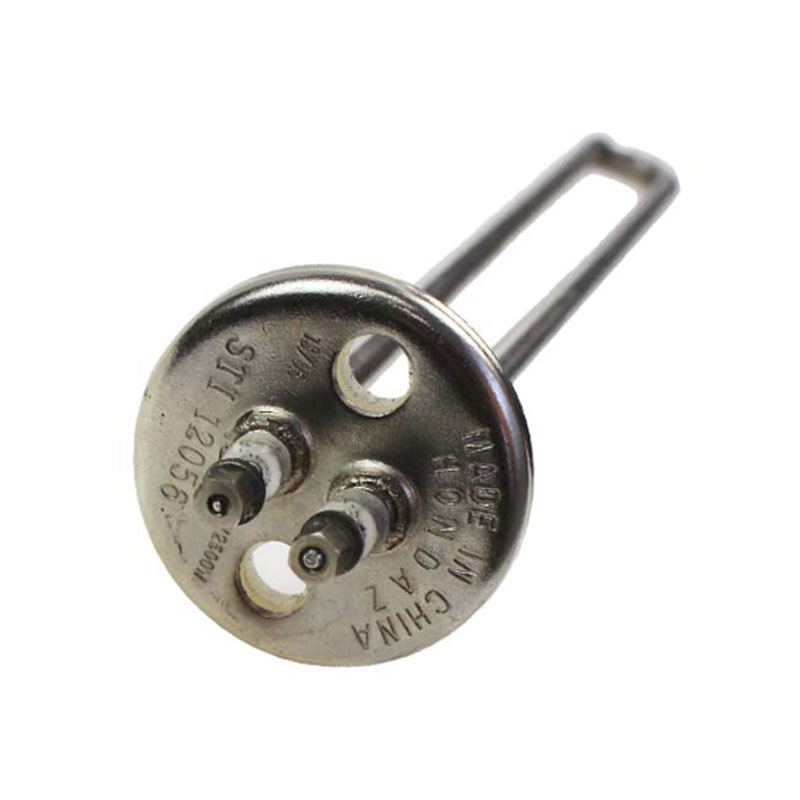
Annealing and Stress Relief in Tubular Design: During the manufacturing of a Dry-Burning Electric Heating Element, the tube is bent into various shapes (U-shape, W-shape, or circular). This bending creates internal stress in the metal sheath. If left untreated, these stress points become vulnerable to "stress corrosion cracking" when the element expands and contracts during thermal cycling. To mitigate this, the elements undergo a localized or full-body "annealing" process. This heat treatment restores the ductility of the metal and ensures that the Dry-Burning Electric Heating Element can handle thousands of "on-off" cycles without the sheath cracking or the internal MgO migrating due to mechanical stress.
-
Cold-Zone Calibration and Connection Integrity: Every Dry-Burning Electric Heating Element has a "cold zone" at the ends where no heat is generated. This is achieved by using a "terminal pin" that extends into the tube and connects to the resistance wire inside the MgO. The length of this cold zone must be carefully engineered to ensure that the external electrical connections do not overheat. If the heat from the active zone travels too close to the terminals, the wires and the sealing resin can degrade. Precision calibration of the terminal pin's length and diameter ensures that the heat is focused exactly where it is needed—in the process air—while keeping the electrical entry points safe and reliable for long-term operation in high-heat environments.
By integrating high-density MgO insulation, low surface watt density, and advanced sheath alloys, the modern Dry-Burning Electric Heating Element provides a robust and controllable heat source that is essential for the most demanding industrial thermal applications.


 English
 русский
 Español
 عربى
عربى

 Custom Electric Heater Components Manufacturers