Mobile lifestyle accessories and vehicle auxiliary heating systems have seen significant design improvements as more people engage in long distance traveling, overlanding, and professional transport operations. Among the most practical tools for personal comfort during these journeys is the car immersion water heater, a compact electrical device engineered to heat liquids directly from a vehicle auxiliary power outlet. By utilizing the electrical energy provided by a twelve volt or twenty-four volt automotive battery system, these devices offer a convenient way to prepare warm beverages, reconstitute dehydrated meals, and sanitize water without the need for open flames or bulky camping stoves. This article provides a comprehensive and detailed examination of the underlying thermodynamic principles, structural engineering, application profiles, selection criteria, and safety protocols governing these compact vehicle heating appliances.
What Is the Basic Working Principle of a Car Immersion Water Heater
The core function of a portable vehicle liquid heater is based on fundamental electromagnetic and thermodynamic laws, specifically the conversion of electrical energy into thermal energy and the subsequent transfer of that heat to a surrounding liquid.
Joule Heating and Resistance Wire Thermodynamics
The primary mechanism that drives a car immersion water heater is known as Joule heating, which is also referred to as resistive or ohmic heating. When an electric current passes through a conductor that possesses electrical resistance, the conductor opposes the flow of electrons. This opposition causes the moving electrons to collide with the atoms of the conductor material, transferring kinetic energy to those atoms and causing them to vibrate more rapidly. This atomic vibration manifests macroscopically as an increase in temperature.
In a twelve volt automotive heating device, the heating element contains a coil of high resistance wire, which is typically manufactured from a nickel chromium alloy. This alloy is selected because it has excellent oxidation resistance at high temperatures and maintains stable electrical resistance characteristics over many heating cycles. The geometry of the coil is carefully engineered to present a specific resistance value that matches the electrical output of the vehicle socket. According to Ohm's Law and Joule's First Law, the amount of heat generated is directly proportional to the square of the current multiplied by the resistance of the wire. The electronic layout ensures that the current remains within safe limits for typical car accessory fuses while delivering sufficient thermal power to raise the liquid temperature effectively.
Direct Heat Transfer and Fluid Convection
Once thermal energy is generated within the internal resistance wire, it must be transferred quickly and efficiently to the surrounding water. The resistance wire is encased in a protective metal sheath, with the space between the wire and the sheath filled with a highly compacted insulating material, such as magnesium oxide powder. This insulating material is a critical component because it must conduct heat extremely well while preventing any electrical current from leaking into the metal sheath, which would cause a dangerous short circuit or shock hazard.
The outer metal sheath is immersed directly in the water, creating a highly efficient path for heat transfer. Because there are no air gaps or intermediate containers between the heating element and the liquid, thermal losses are minimized, allowing almost all the generated heat to enter the water. As the water immediately adjacent to the metallic surface absorbs heat, its temperature rises, causing it to expand and decrease in density. This lighter, warm water rises toward the top of the container, while the cooler, denser water at the top sinks to the bottom where it comes into contact with the heating element. This continuous loop, known as natural convection, ensures that the thermal energy is distributed evenly throughout the liquid volume, preventing localized boiling and ensuring a uniform temperature rise.
What Are the Critical Structural Components of Portable Vehicle Heaters
To withstand the mechanical vibrations of traveling in a vehicle and the thermal stresses of repeated rapid heating cycles, a car immersion water heater must be built using durable, high-grade materials and precise structural assemblies.
The Heating Element Shell and Sheath Selection
The outer sheath of the heating element is the portion of the device that comes into direct contact with the liquid being heated, meaning its material composition is vital for both durability and user safety. Manufacturers of high-quality immersion heaters typically utilize food-grade stainless steel, such as grade three hundred four, or titanium alloys. Stainless steel is highly favored because it resists corrosion when exposed to water, minerals, and mildly acidic liquids like tea or coffee. It also possesses high mechanical strength, preventing the heating tube from bending or cracking if the device is dropped or bumped against the side of a cup.
The surface finish of the sheath is also engineered to be extremely smooth, which discourages the accumulation of mineral scale, also known as calcium carbonate deposits, which naturally occur when hard water is boiled. The thickness of the sheath wall is balanced precisely to provide sufficient structural protection for the internal components while minimizing thermal resistance, ensuring that heat can pass from the internal insulation powder to the water with minimal delay.
Power Cord Engineering and Twelve Volt Socket Connectivity
The electrical connection between the vehicle battery and the heating element is a common failure point if not designed correctly. Twelve volt automotive systems operate at low voltages compared to household mains electricity, which means that to deliver a comparable amount of power, the system must draw a significantly higher current. For example, a hundred-and-twenty-watt heater running on a twelve-volt system requires a continuous current of ten amperes.
To handle this high current without overheating, the power cord must contain thick copper conductors with a generous cross-sectional area, typically specified as sixteen or eighteen American Wire Gauge. Using thin wires would create high electrical resistance in the cable itself, causing the cord to become dangerously hot and wasting valuable energy before it reaches the heating element. The outer jacket of the cable is made from heat-resistant polyvinyl chloride or silicone rubber to prevent melting if the cord contacts hot surfaces.
The plug that inserts into the vehicle accessory socket, which is often called the cigarette lighter plug, is also a critical component. It must feature robust spring-loaded contacts to maintain a tight, low-resistance connection inside the socket. A loose plug will create electrical arcing and localized heating, which can melt the plastic housing of the plug or damage the vehicle dashboard. High-quality plugs incorporate an integrated glass or ceramic fuse to protect the vehicle wiring in the event of an electrical short circuit inside the heating element.
Thermal Safety Switches and Auto Shut Off Mechanisms
Safety is a primary concern for any portable heating device used inside a confined space like a vehicle cabin. If an immersion heater is left running in an empty cup or is allowed to boil dry, the temperature of the heating element will rise rapidly to several hundred degrees, creating an immediate fire hazard and destroying the device.
To prevent this, premium car immersion water heaters incorporate built-in thermal safety switches or automatic shut-off mechanisms. These systems typically utilize a bimetallic thermostat or a thermal fuse positioned inside the handle assembly, directly in contact with the top of the heating tube. If the temperature of the tube exceeds a safe threshold, such as one hundred and five degrees Celsius, the bimetallic strip bends and breaks the electrical circuit, stopping the flow of current. In some designs, a thermistor continually monitors the temperature and communicates with a small microchip in the plug housing, which cuts power automatically and alerts the user with an indicator light or an audible beep.
How Do Different Types of Portable Water Heaters Compare
Portable vehicle liquid heating systems exist in several distinct form factors, each offering different advantages depending on the user's requirements for portability, volume, and ease of use.
|
Device Configuration
|
Heating Method
|
Volume Capacity
|
Key Advantages
|
Operational Drawbacks
|
|
Coiled Element Suspension
|
Exposed direct immersion coil suspended in any mug
|
Determined by user cup size
|
Extremely compact, lightweight, easy to pack
|
Element is unprotected, risk of touching cup sides, requires careful monitoring
|
|
Enclosed Cup Style
|
Integrated heating base inside a travel mug
|
Fixed volume, usually three hundred to five hundred milliliters
|
Spill resistant lid, temperature selection, secure cup holder fit
|
Bulky to pack, harder to clean internal crevices, higher initial cost
|
|
Inline Flow Through
|
Liquid heated as it pumped through an internal chamber
|
Continuous flow, depends on external reservoir
|
High volume capability, constant hot water supply
|
Complex installation, high power demand, requires pump integration
|
Coiled Element Suspension Heaters
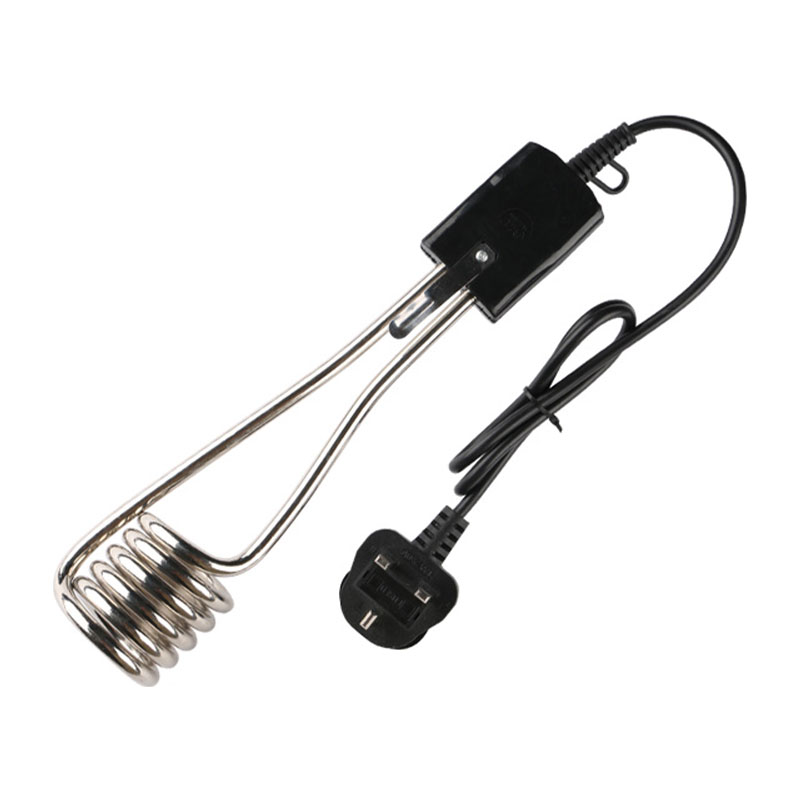
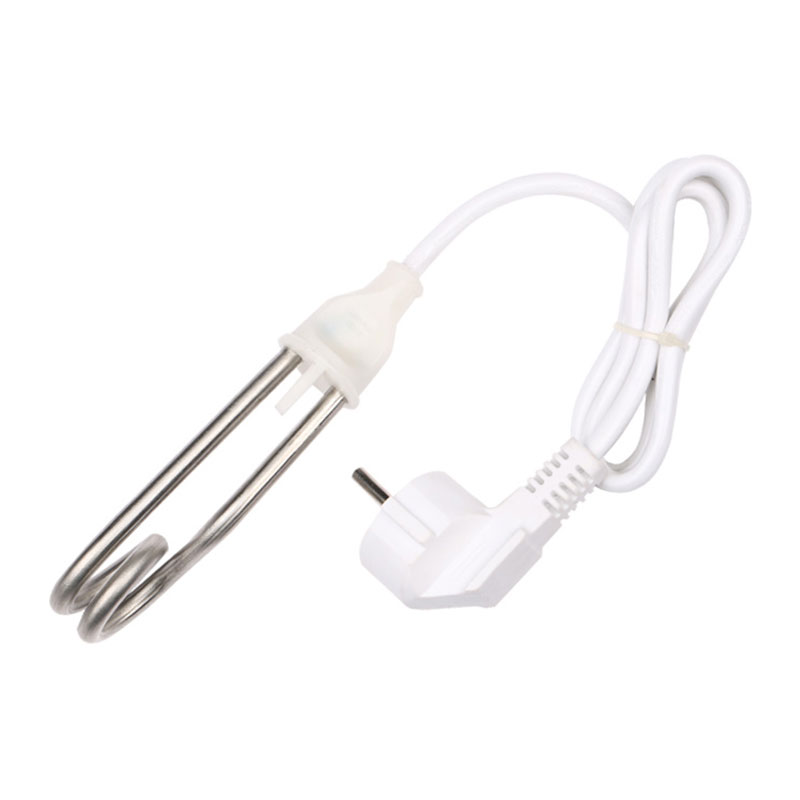
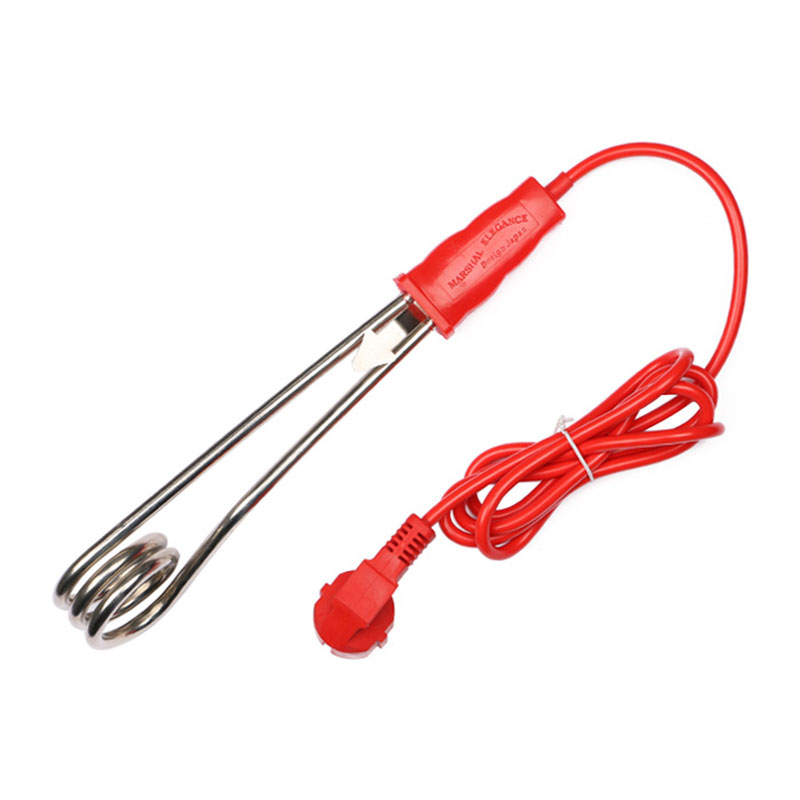
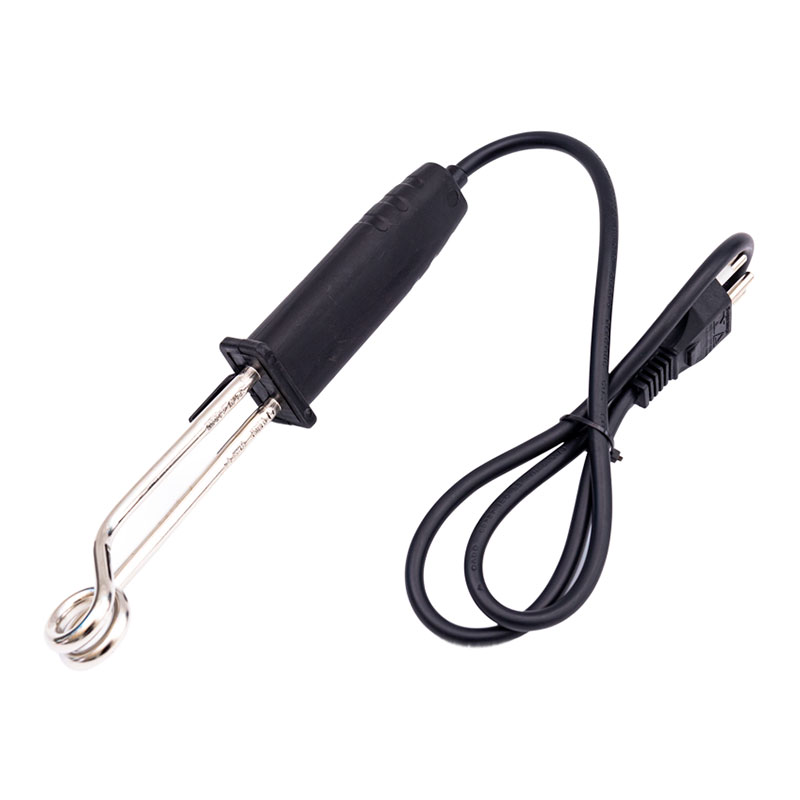
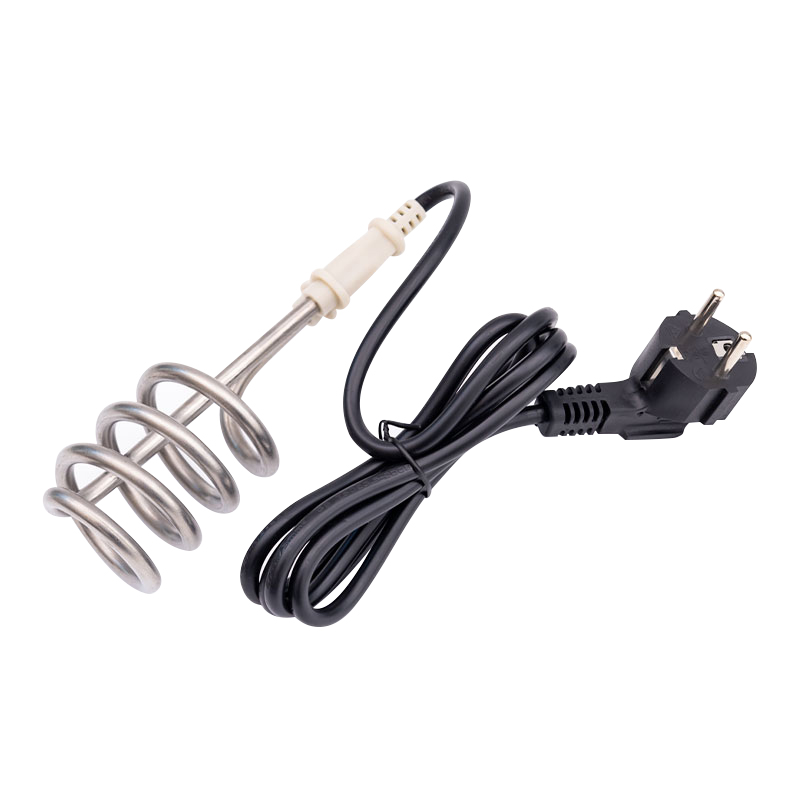
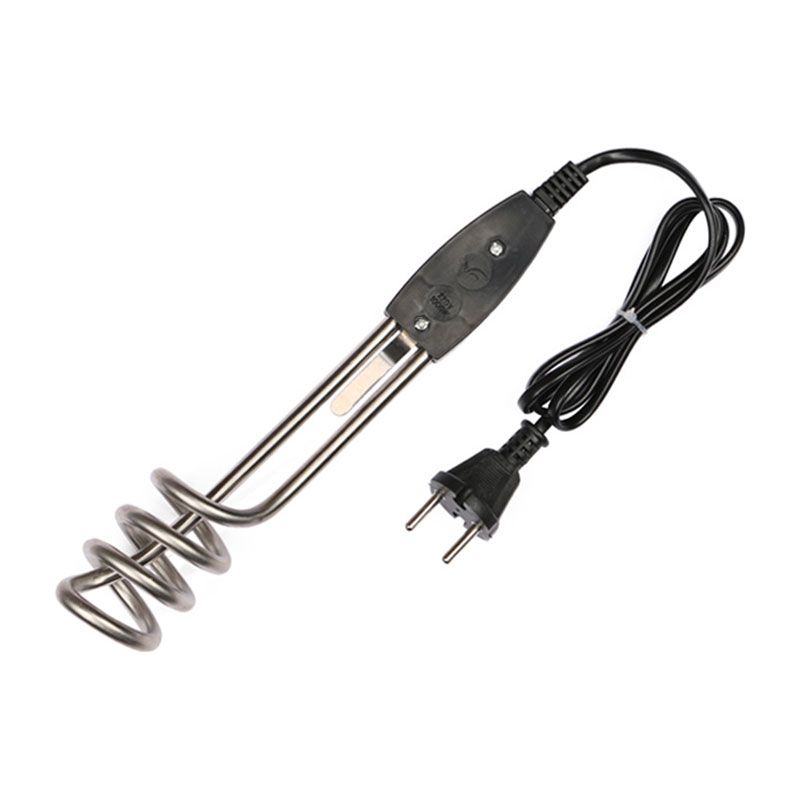
The classic coiled suspension heater represents the most basic and compact form of the technology. It consists of a simple, curved heating element connected directly to a power cord, with a small plastic clip on the handle that allows the user to hang the device over the rim of a standard ceramic mug or heat-resistant glass.
These heaters are favored by solo travelers and backpackers because they occupy virtually no space in a glove compartment or travel bag. However, they require careful manual supervision. Because the heating element is completely exposed, the user must ensure that the coil does not touch the plastic or paper walls of temporary cups, as the intense heat could melt the container and cause hot liquid to spill. Additionally, the user must manually disconnect the plug as soon as the liquid reaches the desired temperature to prevent boiling over.
Enclosed Cup Style Immersion Units
Enclosed travel mugs with integrated heating elements represent a more modern and user-friendly evolution of the car heater. In these devices, the heating element is permanently sealed beneath the bottom stainless steel plate of the cup, meaning there is no exposed hot coil that can cause accidental burns or contact damage.
These units often feature digital temperature controls, allowing the user to select specific temperatures for different tasks, such as brewing green tea, making french press coffee, or preparing infant formula. The secure, spill-resistant lid prevents hot liquid from splashing onto the driver or the dashboard during vehicle movement, and the outer dimensions are designed to fit perfectly into standard vehicle cup holders. The primary trade-off is that these devices are bulkier to store and are more difficult to wash because the electrical contacts on the bottom of the cup must be kept dry to prevent corrosion and electrical shorting.
Where Are Car Immersion Water Heaters Most Commonly Deployed
The ability to generate hot water reliably without relying on mains electricity or flammable fuel makes these devices highly valuable across several travel and professional sectors.
Long Distance Overlanding and Recreational Vehicle Road Trips
Overlanding enthusiasts and recreational vehicle travelers often seek to minimize their reliance on commercial campsites and public rest stops, preferring to remain self-sufficient in remote wilderness areas. While larger motorhomes feature built-in propane stoves or generator-powered microwaves, smaller overland rigs, campervans, and SUV camping setups must conserve space and fuel.
A car immersion water heater provides a highly efficient way to boil water for morning coffee or rehydrate freeze-dried camping meals without having to unpack a stove, connect a propane bottle, and wait for a windshield to block the wind. Since the device operates entirely inside the vehicle cabin using the primary or auxiliary battery system, it can be operated safely in bad weather, during high winds, or in areas where open campfires and outdoor stoves are strictly prohibited due to wildfire risks.
Commercial Trucking and Fleet Operator Convenience
Professional truck drivers frequently spend several consecutive days or weeks on the road, living inside their vehicle cabs for extended periods. Maintaining physical comfort and access to hot food and beverages is essential for reducing fatigue and maintaining high alertness levels during long highway shifts.
Long-haul trucks are typically equipped with twenty-four volt electrical systems, which can support higher wattage immersion heaters than standard twelve-volt passenger cars. Truck fleet operators and independent drivers install these heavy-duty immersion heaters to prepare warm drinks and quick meals right inside the cab during mandatory rest breaks. This convenience eliminates the need to constantly purchase expensive truck stop food, allowing drivers to save money, eat healthier, and maximize their resting time.
Emergency Preparedness and Outdoor Survival Kits
Disaster preparedness plans and vehicle emergency kits often include basic food, water, and tools needed to survive a sudden breakdown or a severe weather event. If a vehicle becomes stranded in a remote area during a winter blizzard, keeping the passengers warm is a matter of survival.
An immersion water heater is an invaluable addition to a winter survival kit. Consuming hot liquids during extreme cold helps maintain core body temperature and provides a psychological boost to stranded passengers. Because the heater runs off the vehicle battery, it can provide heat as long as the engine can be run periodically to keep the battery charged. This setup is far safer than using gas-fueled camping stoves inside a closed car cabin, which creates a high risk of carbon monoxide poisoning.
What Are the Key Technical Factors for Sizing and Selection
To ensure that a selected heater functions correctly and does not cause electrical damage to the vehicle, several technical parameters must be analyzed during the procurement process.
Power Consumption Capacity and Car Battery Drain Trade Offs
The primary technical specification to evaluate is the wattage rating of the device, which typically ranges from eighty watts to two hundred and forty watts for standard twelve-volt consumer models. The wattage directly determines how quickly the device can heat a given volume of water.
While a higher wattage heater heats water much faster, it also draws a much larger current from the vehicle electrical system. Most standard passenger cars have accessory sockets fused at ten or fifteen amperes. A heater rated at two hundred and forty watts running on a twelve-volt system draws exactly twenty amperes, which will immediately blow a ten-ampere or fifteen-ampere fuse, rendering the socket useless until the fuse is replaced.
Furthermore, running a high-wattage heater while the vehicle engine is turned off will quickly drain the starter battery, potentially leaving the traveler stranded with a dead engine. It is essential to choose a wattage that is compatible with the vehicle fuse ratings and to run the heater primarily when the engine is idling or running to ensure the alternator is actively charging the battery.
Material Safety Standards and Food Grade Certification
Because the heating element is immersed directly in water that will be consumed, the chemical stability of the materials used is paramount. Cheap, uncertified heating devices may utilize low-grade metals or plastics that leach harmful chemicals, heavy metals, or unpleasant odors into the water when exposed to high temperatures.
Buyers must verify that the device is manufactured using certified food-grade materials, such as grade three hundred four stainless steel for the element sheath and BPA-free plastics for the handle and structural clips. Certifications from recognized testing laboratories, such as Underwriters Laboratories or European Conformity marks, provide assurance that the device has undergone rigorous thermal and chemical safety testing and is safe for food preparation.
How to Ensure Safe Operation and Prevent Common Electrical Hazards
Operating any electrical heating device inside a moving vehicle requires strict adherence to safety protocols to prevent personal injury, electrical shocks, or vehicle fires.
Preventing Dry Boiling and Heating Element Burnout
The most common cause of premature failure in immersion heaters is dry boiling, which occurs when the device is energized while not fully submerged in liquid. The heat transfer coefficient of air is significantly lower than that of water, meaning that without water to absorb and dissipate the heat, the temperature of the stainless steel sheath will skyrocket within seconds.
This rapid temperature spike can melt the internal nickel-chromium resistance wire, crack the magnesium oxide insulation, or melt the plastic handle assembly. Users must establish a strict habit of placing the heater into the liquid-filled container first before inserting the plug into the vehicle socket. Likewise, when the heating process is complete, the plug must be pulled out of the socket before the heater is removed from the liquid, allowing the element to cool down safely for several seconds in the water.
Managing Vehicle Electrical Overload and Fuse Protection
Automotive accessory circuits are designed to power low-load electronics like phone chargers, navigation units, and small dash cameras. Connecting a high-load resistive heating element puts a significant stress on the vehicle electrical wiring, connections, and fuse panels.
To prevent electrical fires, users must never bypass or replace a blown vehicle accessory fuse with one of a higher amperage rating. Doing so allows more current to flow through the wires than they were designed to handle, causing the wires behind the dashboard to overheat, melt their insulation, and ignite nearby materials. If the heater consistently blows the vehicle fuse, it is an indication that the device wattage is too high for that specific circuit, and a lower-power heater must be used instead. Additionally, users should avoid using multi-socket adapters or extension cords with an immersion heater, as every extra connection point creates electrical resistance and increases the risk of localized overheating and melting.
How to Maintain and Clean a Portable Immersion Heater
With proper care, cleaning, and storage, a high-quality car immersion water heater can provide many years of reliable service. Neglecting basic maintenance will lead to reduced heating efficiency and eventual mechanical or electrical failure.
Descaling Mineral Deposits from the Heating Core
When water is heated, dissolved minerals like calcium and magnesium ions undergo a chemical reaction that causes them to precipitate out of the liquid and adhere to the hot surface of the heating element. Over time, this creates a hard, white or grey crust known as limescale.
+-------------------------------------------------------------+
|             STEP BY STEP DESCALING PROCEDURE                |
+-------------------------------------------------------------+
| 1. Prepare a solution of warm water mixed with citric acid   |
|    powder or food-grade white household vinegar.            |
+------------------------------+------------------------------+
| 2. Submerge the metal heating element completely in the     |
|    acidic solution, ensuring the handle remains dry.        |
+------------------------------+------------------------------+
| 3. Allow the element to soak for thirty to sixty minutes    |
|    until the mineral scale begins to soften and dissolve.   |
+------------------------------+------------------------------+
| 4. Gently brush the surface with a non-metallic soft brush   |
|    to remove remaining deposits without scratching the steel. |
+------------------------------+------------------------------+
| 5. Rinse the element thoroughly with clean water and dry     |
|    the entire assembly completely with a clean towel.       |
+-------------------------------------------------------------+
A heavy accumulation of scale acts as an insulating blanket around the heating tube. This insulation slows down the transfer of heat from the element to the water, which increases the heating time and forces the internal resistance wire to operate at much higher temperatures, accelerating its degradation. To remove this scale, the element must be soaked periodically in a mild food-grade acid solution, such as diluted white vinegar or citric acid water. Users must avoid using steel wool, metal scrapers, or harsh abrasive cleaners, as these will scratch the protective oxide layer of the stainless steel sheath, creating microscopic crevices where rust and bacteria can develop.
Proper Storage and Wire Stress Management
The way an immersion heater is stored between trips has a direct impact on the lifespan of its electrical cabling. The point where the power cord enters the plastic handle is subjected to significant bending stresses during packing and unpacking.
To prevent the internal copper strands from fraying or breaking, which would create a high-resistance hot spot or a complete open circuit, the power cord should never be wrapped tightly around the heating element or bent at sharp angles. Instead, the cable should be coiled loosely and secured with a hook-and-loop strap before being placed in a padded storage case. The device must be stored in a dry location, away from heavy tools or cargo that could crush the heating tube, ensuring that the electrical contacts inside the plug remain clean, dry, and free of corrosion for the next journey.


 English
 русский
 Español
 عربى
عربى

 Custom Electric Heater Components Manufacturers