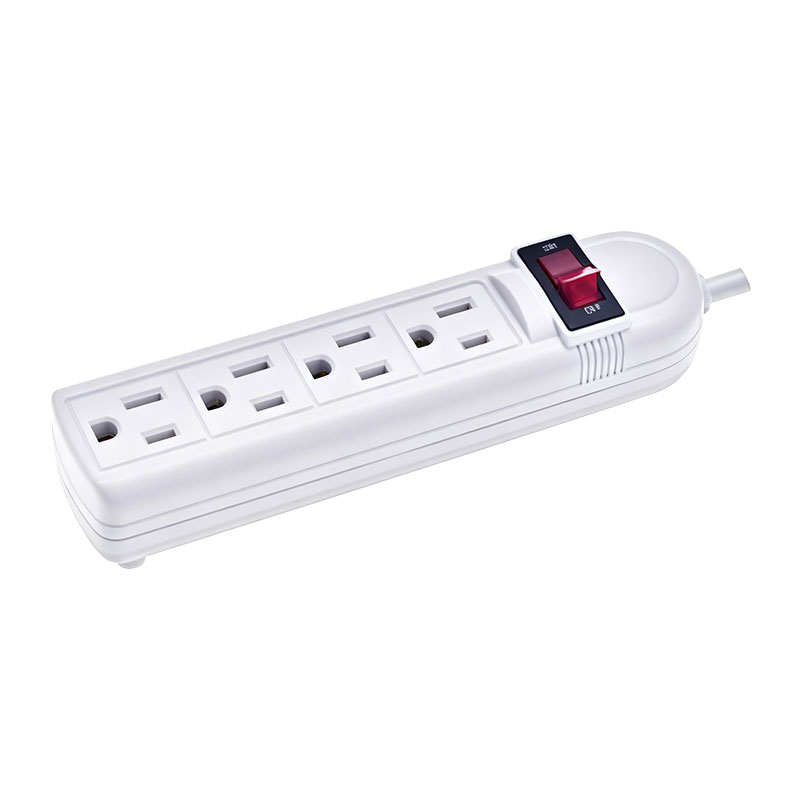
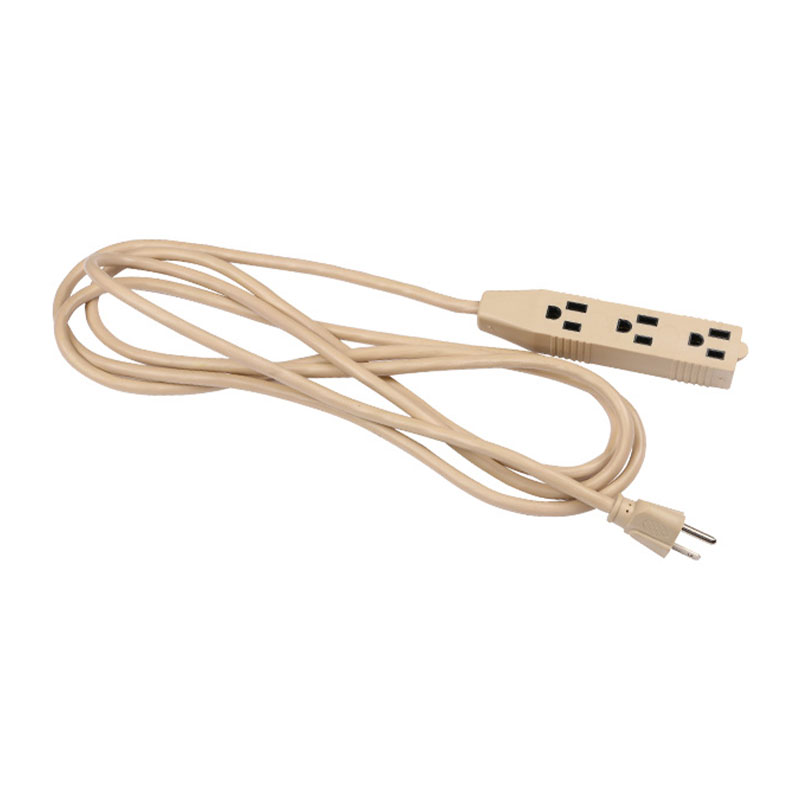
Residential, commercial, and industrial workspaces require structured electrical distribution systems to accommodate the growing number of plugged-in appliances, computer systems, and diagnostic tools. At the center of daily office setups and industrial workbenches is the outlets power strip, an essential electrical accessory designed to expand a single wall outlet into multiple functional ports. By consolidating power connections into a single centralized hub, these devices simplify cable management, protect sensitive electronic circuits, and prevent localized electrical hazards. This article provides a comprehensive and detailed examination of the physical design, electrical engineering principles, safety mechanisms, application profiles, and maintenance protocols that govern these modern power distribution devices.
What Are the Essential Electrical Engineering Concepts of Multi Outlet Power Strips
The core functionality of an outlets power strip relies on basic principles of electrical engineering, specifically current division, thermal management, and circuit protection. To appreciate how these devices function safely under continuous electrical loads, one must analyze the wiring design and current capacity limits of the system.
Current Flow and Parallel Circuit Configurations
The internal wiring of a standard power strip is designed as a parallel circuit. When multiple electronic devices are plugged into the strip, each individual outlet is connected directly across the incoming hot and neutral electrical lines. This parallel configuration ensures that every device receives the full nominal voltage supplied by the building wall outlet, which is typically one hundred and twenty volts or two hundred and forty volts depending on regional electrical grid standards.
Unlike series circuits, where voltage drops across each successive load, a parallel circuit maintains a constant voltage across all nodes. However, as more devices are plugged into the power strip, the total electrical current drawn by the unit increases. According to Kirchhoff’s Current Law, the total current entering the power strip from the wall outlet must equal the sum of the individual currents drawn by each plugged-in appliance. If a user connects multiple high-draw devices, such as space heaters, electric kettles, or laser printers, to a single power strip, the cumulative current can easily exceed the physical capacity of the internal copper busbars and the building circuit breaker, necessitating integrated protection mechanisms.
Voltage Ratings and Amperage Capacity Thresholds
Power strips are engineered to operate within strict voltage and amperage thresholds to prevent catastrophic electrical failures. In standard residential and commercial environments, the most common power strips are rated for a maximum continuous current of fifteen amperes. In heavy-duty industrial settings, power strips may be built to handle twenty amperes of continuous current, which requires a specialized plug configuration to match dedicated high-capacity wall outlets.
The continuous load limit of a power strip is governed by the National Electrical Code, which dictates that a circuit should not be loaded continuously to more than eighty percent of its rated capacity. For a standard fifteen-ampere power strip operating on a one hundred and twenty-volt line, the maximum continuous power rating is eighteen hundred watts, meaning the safe continuous operating limit is fourteen hundred and forty watts. Exceeding this threshold causes resistive heating within the copper conductors, which can degrade the surrounding plastic insulation over time and increase the risk of a short circuit.
What Are the Core Safety Features Embedded in High Quality Power Strips
To mitigate the inherent risks of handling high-voltage electricity in close proximity to flammable office materials and sensitive digital processors, modern manufacturers integrate several layers of mechanical and electrical safety technology into their power strip designs.
Surge Protection Mechanics and Metal Oxide Varistors
Electrical grids are subject to sudden, temporary voltage spikes caused by lightning strikes, utility grid switching, or the cycling of large inductive motors within the same facility. These voltage surges can easily destroy the delicate microchips found in modern computers, televisions, and laboratory instruments. To prevent this, high-performance power strips incorporate surge suppression circuitry.
The primary component responsible for surge suppression is the Metal Oxide Varistor, which is widely referred to by the acronym MOV. A Metal Oxide Varistor is a voltage-sensitive semiconductor device that exhibits high electrical resistance under normal operating voltages, acting as an open switch that allows current to flow only to the plugged-in appliances. However, when a high-voltage surge occurs, the resistance of the varistor drops almost instantaneously, redirecting the excess electrical energy safely to the ground wire before it can reach the connected devices. Each time a varistor absorbs a surge, its chemical structure degrades slightly, which means that the surge protection capacity of a power strip is a consumable feature that diminishes over time.
Overload Circuit Breakers and Thermal Reset Switches
An overload condition occurs when the connected devices attempt to draw more current than the power strip is rated to handle. Without an active safety mechanism, this excessive current would generate dangerous levels of heat along the internal wiring and power cord. To eliminate this hazard, quality power strips are equipped with an integrated thermal circuit breaker.
This breaker typically utilizes a bimetallic strip made of two different metals bonded together, each possessing a different thermal expansion coefficient. As current flows through the strip, it generates heat. Under normal load conditions, the heat is dissipated easily, and the strip remains straight, keeping the electrical contacts closed. When the current exceeds the rated threshold of fifteen amperes, the bimetallic strip heats up rapidly and bends due to the unequal expansion of the metals. This bending action mechanically trips the switch, opening the contacts and immediately cutting off all electrical power to the outlets. Once the strip cools down, the user can reset the breaker by pressing a dedicated button, restoring normal functionality after the excess load has been removed.
How Do Different Configurations of Power Strips Meet Specific User Needs
Because the power requirements of a high-density server rack differ vastly from those of a standard home office desk, outlets power strips are manufactured in several distinct form factors and technical configurations.
|
Configuration Type
|
Housing Material
|
Core Protection Features
|
Intended Use Environments
|
|
Standard Residential
|
Flame-retardant ABS plastic
|
Basic surge suppression and thermal breaker
|
Home entertainment, low-draw desk accessories
|
|
Industrial Workshop
|
Heavy-duty extruded aluminum
|
High-joule surge suppression, dust covers
|
Construction zones, machine shops, laboratories
|
|
Desktop Clamp
|
Fire-rated polycarbonate
|
USB power delivery, localized surge protection
|
Modern co-working spaces, academic libraries
|
|
Rackmount PDU
|
Powder-coated structural steel
|
Overload alarm, network monitoring capabilities
|
Data center server racks, telecom closets
|
Heavy Duty Workshop Power Strips with Metal Casings
Industrial workshops, construction sites, and laboratories subject electrical equipment to severe physical impacts, dust accumulation, and chemical exposure. Power strips designed for these demanding environments feature rugged housings constructed from extruded aluminum or heavy-gauge steel. This metal casing protects the internal wiring and outlets from being crushed by heavy machinery or punctured by sharp tools.
Furthermore, industrial power strips are often designed with wide spacing between individual outlets to accommodate large power adapters, which are frequently used for cordless tool chargers and laboratory testing equipment. Many models also include spring-loaded plastic covers over each outlet to prevent sawdust, metal shavings, and moisture droplets from entering unused ports, which drastically reduces the risk of arc-fault conditions and localized short circuits.
Smart Power Strips with Intelligent Current Sensing
In an effort to reduce energy consumption and manage electrical utility costs, smart outlets power strips have become highly popular in commercial and residential settings. These advanced units incorporate intelligent current-sensing microcontrollers that monitor the power status of connected devices to eliminate standby power draw, which is also known as phantom load.
A typical smart power strip features a master outlet, several controlled outlets, and a few constant-power outlets. The user plugs their primary device, such as a desktop computer, into the master outlet, and auxiliary devices like monitors, speakers, and printers into the controlled outlets. When the computer goes to sleep or is turned off, the internal current sensor detects the drop in power consumption and automatically cuts electrical power to the controlled outlets, preventing the auxiliary devices from wasting energy in standby mode. The constant-power outlets remain active at all times, allowing devices that require continuous power, such as routers or external backup drives, to run without interruption.
Where Are Outlets Power Strips Most Critically Utilized
The adaptability and high-density outlet capacity of power strips make them essential components across a vast spectrum of professional and personal environments.
Data Centers and Server Rack Infrastructure
Modern data centers house thousands of high-performance servers that must operate continuously to maintain global cloud services and digital communication networks. In these high-density computing environments, power delivery must be highly structured and monitored. Here, specialized rack-mounted power strips, which are widely designated as Power Distribution Units, play a critical role.
These heavy-duty units are mounted vertically or horizontally within nineteen-inch server racks, distributing power directly to multiple server power supplies. High-end Power Distribution Units incorporate advanced networking cards that allow system administrators to monitor current draw, voltage stability, and power consumption remotely via web-based dashboards. If a server draws a dangerous level of current, the administrator can shut down that individual outlet remotely, preventing a localized overload from tripping the main rack breaker and taking down other critical servers.
Commercial Office Cubicles and Workstation Setup
The layout of modern corporate office spaces requires a high concentration of electrical connections at each workstation to support computers, multiple monitors, desk lamps, and sit-stand desks. Because typical office building codes locate wall outlets at fixed intervals along the perimeter walls, outlets power strips are utilized to bridge the physical gap and distribute power to individual cubicles.
Under-desk power strips are often mounted to the frame of the office furniture to keep cables off the floor, which improves aesthetics and eliminates tripping hazards. Many modern desk designs feature integrated clamp-on power strips that sit above the desktop surface, providing easy access to standard electrical outlets alongside dedicated USB charging ports. This close proximity allows employees to charge mobile devices and laptops without having to crawl under desks to access wall outlets, improving overall ergonomics and workplace efficiency.
Home Entertainment Systems and Sensitive Audio Visual Gear
Home theater systems and professional recording studios consolidate numerous electronic devices, including high-definition televisions, audio receivers, gaming consoles, and active subwoofers, into a single spatial zone. These devices are highly sensitive to electrical line noise, which refers to the electromagnetic interference generated by other appliances running on the same electrical grid.
Premium power strips designed for audio-visual equipment incorporate advanced electromagnetic and radio frequency interference filtering. These internal filter networks utilize inductors and capacitors to smooth out high-frequency fluctuations in the electrical current, preventing electrical noise from degrading the audio quality or creating visual artifacts on display screens. By delivering clean, stable power, these specialized strips ensure that sensitive audio-visual gear performs at its optimal capacity while remaining protected from damaging voltage surges.
What Are the Critical Sizing and Placement Considerations for Power Strips
Choosing the correct power strip for a specific application requires an understanding of physical placement, cord length limits, and internal wire gauge standards. Selecting an inadequate unit can lead to poor voltage regulation, excessive heat generation, and potential electrical code violations.
Cable Gauge Requirements and Lead Length Selection
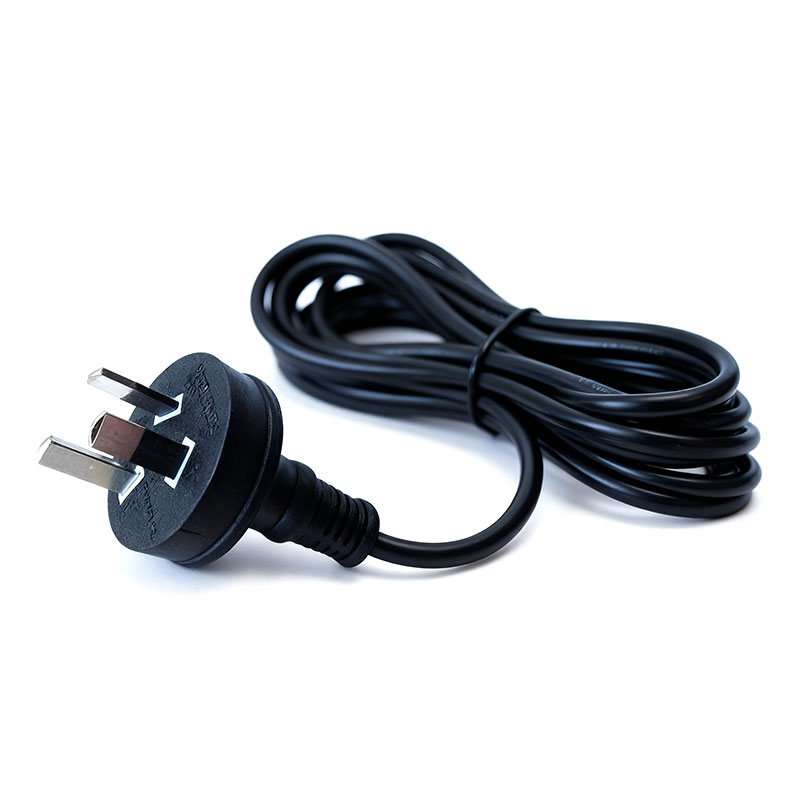
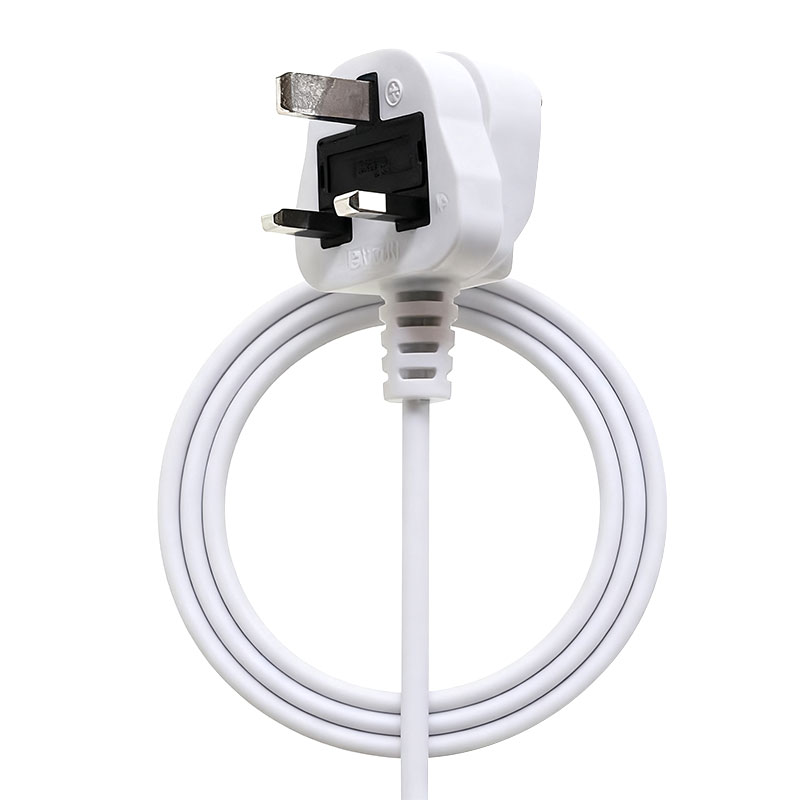
The power cord that connects the outlet strip to the wall must be sized appropriately to handle the maximum rated current of the unit without causing a significant drop in voltage over distance. Wire thickness is measured in accordance with American Wire Gauge standards, which is commonly abbreviated as AWG.
A standard fifteen-ampere power strip should be equipped with a fourteen-gauge cord at a minimum. For power strips with exceptionally long cords, such as fifteen-foot or twenty-five-foot models, or for twenty-ampere industrial units, a thicker twelve-gauge cord is specified. Using a cord that is too thin for the required distance creates high internal resistance, which leads to a noticeable voltage drop at the outlets, meaning connected appliances will receive less than the required operating voltage, potentially causing them to malfunction or run hotter than designed.
Clamping Voltage and Joule Ratings for Surge Suppression
When evaluating the surge suppression capabilities of a power strip, buyers must look beyond the physical size and focus on two key electrical ratings: the Joule rating and the clamping voltage. These ratings indicate how much energy the surge protector can absorb and at what point it will begin redirecting the excess voltage.
The Joule rating represents the total amount of energy the surge suppression circuitry can absorb before the internal varistors degrade completely and fail. A basic power strip might possess a rating of six hundred Joules, which is sufficient for simple desk accessories like lamps and phone chargers. For high-value electronics like gaming computers and televisions, a power strip with a rating of two thousand Joules or higher is recommended to ensure long-lasting protection against multiple moderate surges.
The clamping voltage represents the threshold at which the surge protection circuitry activates and begins redirecting current to the ground wire. Under standard testing guidelines, a lower clamping voltage indicates superior protection, as the device will react faster to stop a voltage spike from reaching connected equipment. High-quality surge strips typically possess a clamping voltage rating of three hundred and thirty volts, which provides a safe buffer for sensitive microprocessors without causing nuisance tripping during minor power fluctuations.
How to Prevent Hazards and Ensure Safe Daily Operation of Power Strips
Even the most highly engineered outlets power strip can become a severe safety hazard if operated incorrectly. Facility managers and homeowners must follow strict operating guidelines to prevent electrical shocks, localized fires, and damage to the building wiring.
The Dangers of Daisy Chaining and Overloading Wall Outlets
One of the most frequent and dangerous safety violations involving power strips is a practice known as daisy chaining, which refers to plugging one power strip into another to extend the physical reach of the outlets. This practice is strictly prohibited by occupational safety regulations and national electrical codes.
Plugging multiple power strips together in a series chain creates an extremely long path of resistance, which can prevent the building circuit breaker from detecting a short circuit immediately. Furthermore, the first power strip in the chain must handle the cumulative load of all subsequent strips, which can easily overload its cord and internal connections without tripping its individual thermal breaker, creating a massive build-up of heat that can ignite nearby carpets or furniture. Power strips must always be plugged directly into a permanently installed wall outlet.
Inspecting Cord Integrity and Managing Thermal Dissipation
The physical placement of the power strip cord is vital for preventing mechanical damage and ensuring adequate heat dissipation. Power cords must never be run through doorways, under heavy rugs, or behind heavy furniture where they can be pinched, stepped on, or abraded by continuous movement.
Running a power cord under a carpet is a major fire hazard because the carpet acts as a thermal blanket, trapping the heat naturally generated by the resistance of the wire. Over time, this trapped heat can melt the plastic insulation, leading to a short circuit and igniting the fibers of the carpet. Additionally, cords that are pinched by furniture legs can suffer internal wire breakage, which reduces the effective cross-sectional area of the conductor, leading to extreme localized heating and potential electrical arcing. Power cords should always be routed through open, visible spaces where air can circulate freely around the cable to maintain a low operating temperature.
How to Troubleshoot and Maintain Multi Outlet Power Strips
Like all electrical accessories, outlets power strips are subject to physical wear and component degradation over years of continuous service. Implementing a simple inspection and maintenance routine can identify failing units before they cause operational disruptions or safety issues.
Diagnosing Tripped Breakers and Non Functional Outlets
If a power strip suddenly stops delivering power to all connected devices, the issue is typically a tripped internal circuit breaker. To diagnose the cause, the user should first disconnect all plugged-in appliances and locate the thermal reset switch, which is usually located on the side or end of the housing. If the switch has popped out, pressing it back in will reset the bimetallic contacts.
Before plugging the devices back in, the user must calculate the total wattage of the connected appliances to ensure they do not exceed the eighteen hundred-watt limit of a standard fifteen-ampere strip. If the breaker trips again immediately after resetting without any load connected, it indicates an internal short circuit, and the power strip must be replaced immediately. If only a single outlet on the strip fails to function while others remain active, it is an indication of localized contact wear or a broken internal solder joint, requiring the entire unit to be discarded.
Identifying Expired Surge Protection and Replacing Aged Units
Because the Metal Oxide Varistors inside a surge-protecting power strip degrade with each voltage spike they absorb, every surge strip has a finite lifespan. In areas with highly unstable power grids or frequent lightning storms, the surge protection circuitry can be exhausted in as little as one to two years.
To alert users to this condition, high-quality power strips feature dedicated diagnostic LED indicator lights on the housing. A green or red light labeled Protected indicates that the surge suppression circuitry is active and functioning correctly. If this light turns off or a light labeled Grounded turns red, it indicates that the internal varistors have absorbed their maximum capacity and are no longer capable of redirecting voltage spikes. While the power strip may continue to deliver standard electrical current to the outlets, it will no longer protect connected equipment from surges. Therefore, the strip must be replaced immediately to preserve the safety and longevity of sensitive computers and appliances.
By understanding these structural boundaries, safety thresholds, and installation guidelines, facility managers and home users can utilize outlets power strips to build secure, highly efficient, and versatile power distribution networks that perform reliably under continuous daily demands.


 English
 русский
 Español
 عربى
عربى

 Custom Electric Heater Components Manufacturers