The Unsung Hero of Modern Electrical Infrastructure
In an age of wireless charging, Bluetooth connectivity, and smart home automation, it is easy to overlook the humble power cord. Yet, without reliable, safe, and durable power transmission, none of our electronic devices—from smartphones and laptops to industrial machinery and medical equipment—would function. Among the various types of power cords available on the market, the PVC Power Cord remains the undisputed global standard. PVC, or polyvinyl chloride, has been used as an insulating and jacketing material for electrical cables for decades, and its dominance shows no signs of waning. Why, in an era of advanced materials and rapid technological change, does the PVC power cord continue to be the go-to choice for manufacturers, electricians, and consumers worldwide? The answer lies in a remarkable combination of cost-effectiveness, durability, safety, versatility, and continuous innovation that has kept PVC relevant despite the emergence of alternatives.
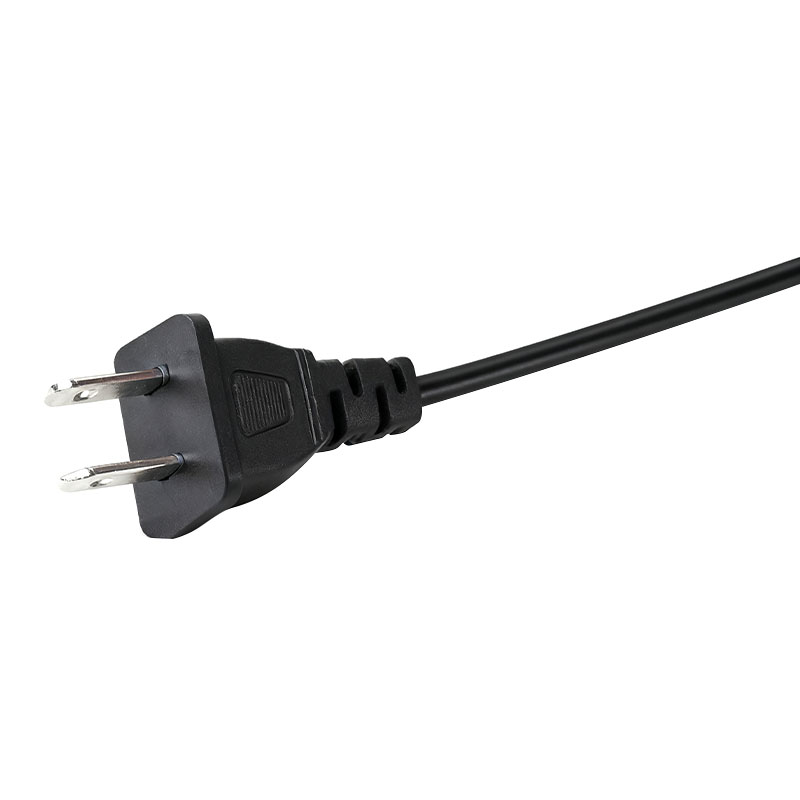
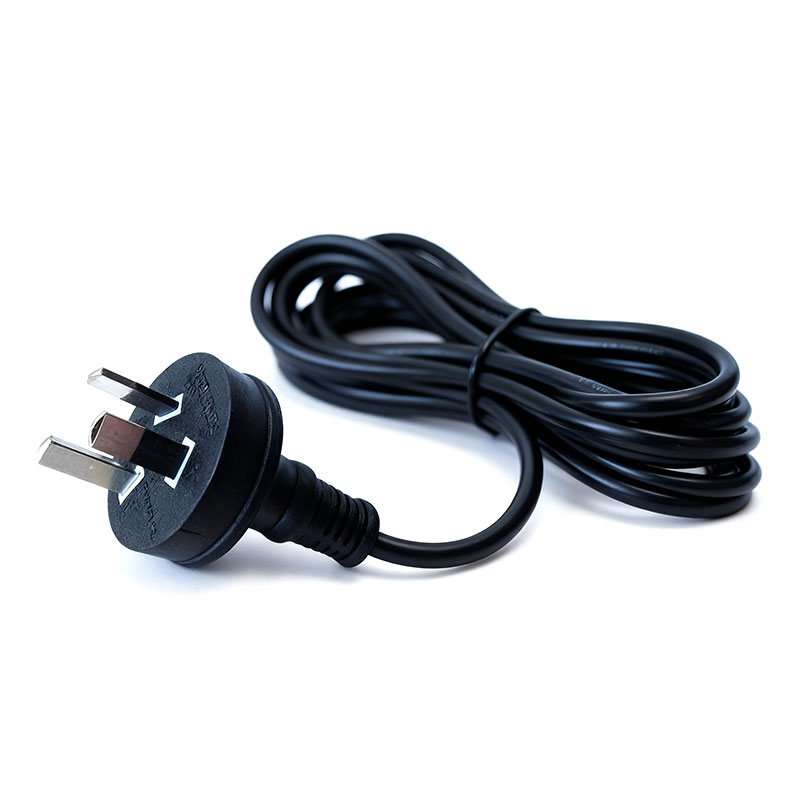
A PVC power cord is essentially an electrical cable coated with a layer of polyvinyl chloride insulation. The conductor inside is typically made of copper or aluminum, chosen for their excellent electrical conductivity. The PVC jacket serves multiple critical functions: it electrically insulates the conductor to prevent short circuits and shocks, it provides mechanical protection against abrasion, cuts, and impacts, and it shields the internal conductor from environmental factors such as moisture, dust, chemicals, and ultraviolet radiation. The thickness, color, and formulation of the PVC can be precisely tailored to meet the requirements of different applications, from the thin, flexible cords used for small household appliances to the thick, ruggedized cables used in construction sites and industrial settings. This adaptability is one of the key reasons why PVC power cords are found in virtually every sector of the global economy.
The manufacturing process of PVC power cords has been refined over many decades to achieve an optimal balance of performance and cost. PVC resin is compounded with plasticizers, stabilizers, lubricants, and other additives to achieve the desired flexibility, temperature resistance, flame retardancy, and durability. This compound is then extruded over the copper or aluminum conductor in a continuous process, forming a uniform insulating layer. Multiple insulated conductors can be twisted together and over-extruded with an outer PVC jacket to create multi-core power cords. The resulting product is lightweight, flexible, and easy to handle, yet robust enough to withstand years of regular use. The global production capacity for PVC power cords is enormous, ensuring ready availability and competitive pricing. These factors, combined with PVC's inherent electrical insulation properties, make it a material that is exceptionally difficult to displace.
Key Properties and Performance Parameters That Make PVC Power Cords Indispensable
Exceptional Electrical Insulation and Dielectric Strength
The most fundamental requirement of any power cord is that it must safely contain the flow of electricity within the conductor, preventing leakage that could cause equipment malfunction, electrical shocks, or fires. PVC possesses excellent dielectric properties, meaning it resists the flow of electric current through the insulating material itself. The dielectric strength of PVC typically ranges from 20 to 40 kilovolts per millimeter, depending on the specific formulation, which is more than sufficient for standard household and industrial voltage levels, which typically range from 110 volts in North America to 230 volts in Europe and Asia. This high dielectric strength ensures that even if the PVC jacket is relatively thin, it will still provide reliable insulation under normal operating conditions. Furthermore, PVC maintains its insulating properties across a wide temperature range, typically from -15°C to 105°C for standard formulations, with specialized formulations available for more extreme conditions. This thermal stability means that a PVC power cord will continue to perform safely whether it is powering a refrigerator in a hot kitchen or a space heater in a cold garage.
Outstanding Flame Retardancy and Self-Extinguishing Properties
Fire safety is a paramount concern in any electrical installation, and PVC excels in this regard. One of the most important characteristics of PVC is that it is inherently flame retardant. When exposed to a flame, PVC does not easily ignite, and if it does catch fire, it tends to self-extinguish once the flame source is removed. This behavior is due to the high chlorine content of PVC, which releases hydrogen chloride gas when heated. Hydrogen chloride acts as a flame inhibitor by interfering with the free radical chain reactions that sustain combustion. Additionally, the char layer that forms on the surface of burning PVC helps to insulate the underlying material and further suppress flame propagation. This inherent flame retardancy is a major advantage over many alternative materials, which require the addition of expensive and potentially hazardous flame retardant chemicals to achieve comparable performance. For applications such as building wiring, extension cords, and appliance power cords, the flame retardant properties of PVC provide an important margin of safety that reduces the risk of electrical fires. Many PVC power cords are rated for vertical flame tests such as VW-1 (Vertical Wire Flame Test) or FT-1, indicating that they meet rigorous industry standards for flame resistance.
Superior Resistance to Oils, Chemicals, and Environmental Stress
Power cords are frequently exposed to harsh environments that can degrade lesser materials. PVC power cords offer impressive resistance to a wide range of substances, including many oils, greases, acids, alkalis, and solvents. This chemical resistance makes PVC an ideal choice for industrial environments, automotive applications, and outdoor installations where exposure to contaminants is unavoidable. For example, a PVC power cord used on a factory floor might come into contact with hydraulic oils, cutting fluids, and cleaning agents on a daily basis without suffering significant degradation of its insulating properties. Similarly, a PVC power cord used outdoors is resistant to the effects of ozone and ultraviolet radiation, although extended direct sunlight exposure may require specially formulated UV-stabilized PVC. PVC also offers good resistance to moisture and humidity, preventing water ingress that could lead to corrosion of the copper conductor or reduced insulation resistance. The material is resistant to hydrolysis, meaning it does not break down when exposed to water over long periods. This makes PVC power cords suitable for use in damp or humid environments such as basements, bathrooms, and outdoor locations, provided they have an appropriate weather-resistant rating.
Flexibility and Mechanical Durability for Daily Use
One of the most noticeable characteristics of a PVC power cord is its flexibility. A good power cord must be easy to bend, route, and manipulate without cracking or damaging the internal conductors. PVC achieves this flexibility through the addition of plasticizers, which are chemical compounds that increase the softness and pliability of the polymer. The amount and type of plasticizer can be adjusted to produce PVC compounds ranging from very soft and flexible, suitable for headphone cords or appliance cords that need to bend frequently, to semi-rigid, suitable for building wire that is installed in fixed positions. Even at the softer end of the spectrum, PVC maintains good mechanical strength, including resistance to abrasion, cuts, and tears. The tensile strength of a typical PVC power cord jacket ranges from 10 to 25 megapascals, depending on the formulation, providing adequate protection against the wear and tear of daily handling. Furthermore, PVC has good memory retention, meaning that a PVC power cord that is coiled or bent will tend to return to its original shape rather than developing permanent kinks that can damage the internal conductors. This combination of flexibility and durability ensures that PVC power cords can withstand years of coiling, uncoiling, pulling, and plugging without failure.
Cost-Effectiveness and Global Availability
No discussion of PVC power cords would be complete without acknowledging their exceptional cost-effectiveness. PVC is one of the least expensive polymers available, both in terms of raw material cost and processing cost. The raw materials for PVC are derived from salt (57%) and oil or natural gas (43%), both of which are abundantly available globally. The manufacturing process for PVC is mature, efficient, and scalable, with production facilities located on every continent. This global supply chain ensures that PVC power cords are consistently available at competitive prices, even during periods of supply chain disruption. For manufacturers of electrical and electronic products, the use of PVC power cords helps to keep final product costs affordable for consumers. For industrial users who require large quantities of power cords for machinery, equipment, and facility wiring, the cost savings associated with PVC can be substantial compared to alternative materials such as rubber, thermoplastic elastomers, or fluoropolymers. Importantly, this low cost does not come at the expense of safety or performance. PVC power cords are subject to rigorous safety standards including UL (Underwriters Laboratories) in North America, VDE (Verband Deutscher Elektrotechniker) in Europe, CCC (China Compulsory Certificate) in China, and many others worldwide. Compliance with these standards ensures that even low-cost PVC power cords meet minimum requirements for electrical safety, flame resistance, and mechanical durability.
Diverse Applications Across Industries and Why PVC Remains the Preferred Choice
Household Appliances and Consumer Electronics
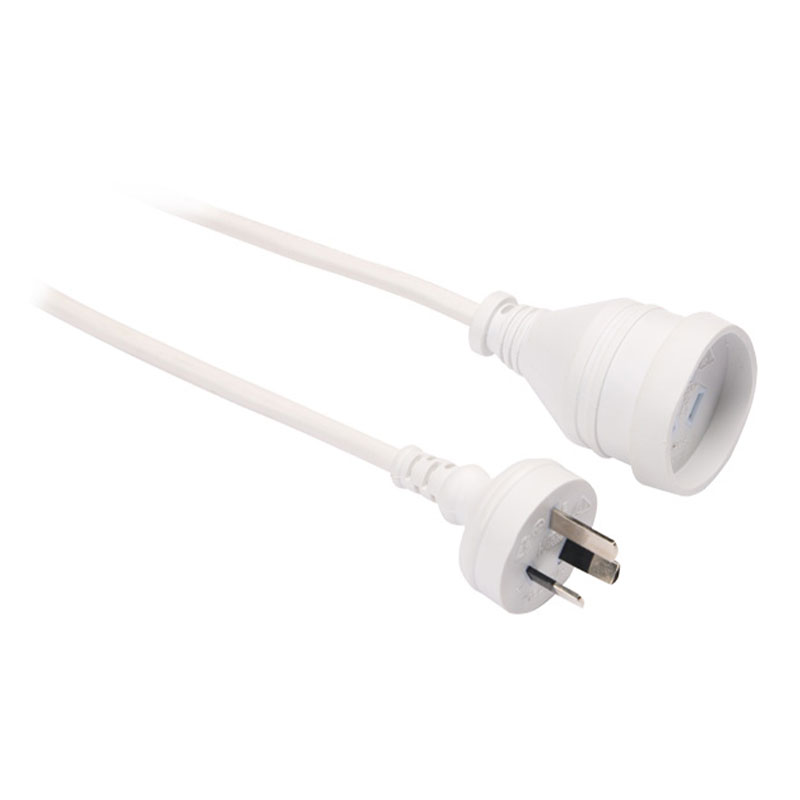
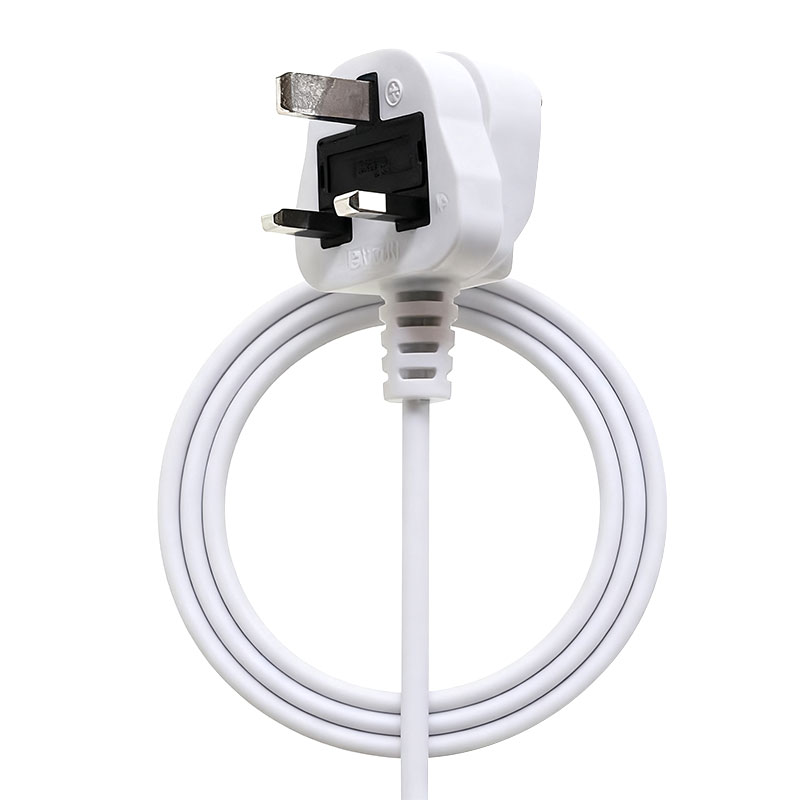
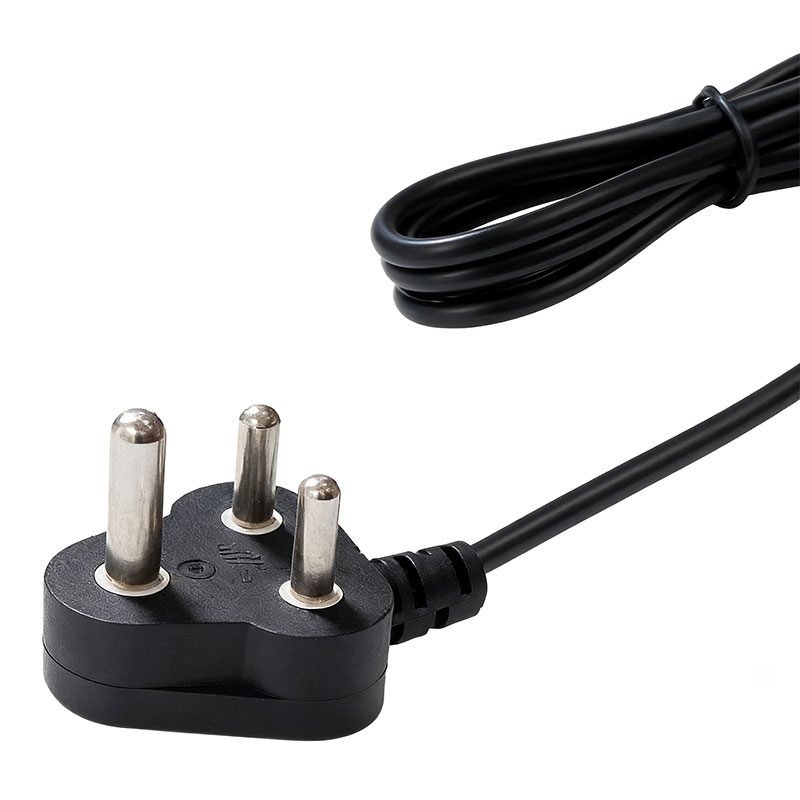
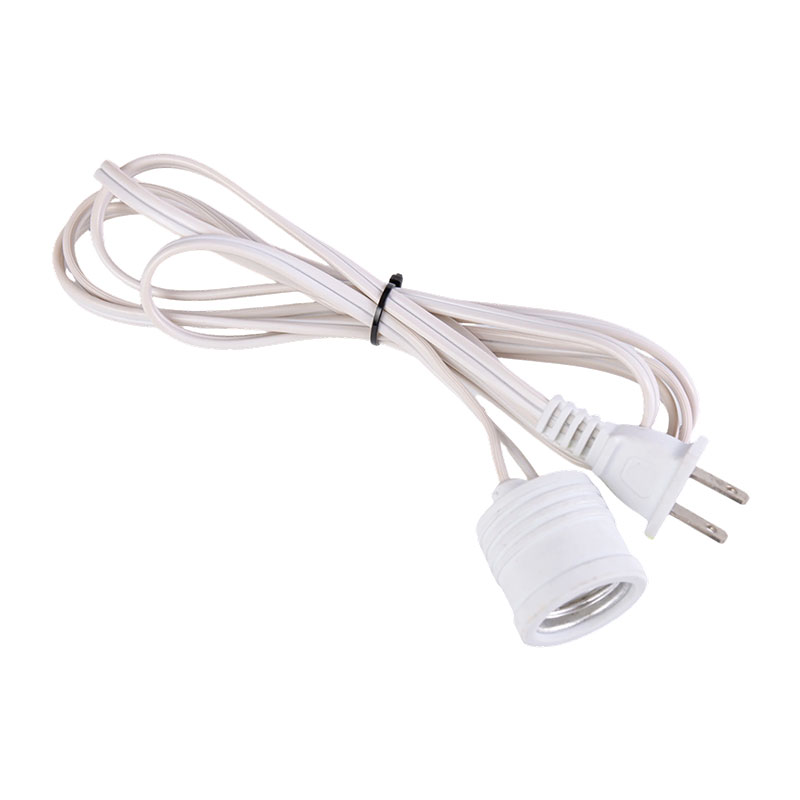
The most familiar application of PVC power cords is in the home. Every day, billions of people around the world use PVC power cords to connect their appliances and electronic devices to wall outlets. From the cord on a coffee maker that delivers morning caffeine to the cord on a vacuum cleaner that keeps floors clean, PVC power cords are an integral part of daily life. The popularity of PVC in this sector is driven by several factors. First, the flexibility of PVC allows cords to be easily stored, whether wrapped around a vacuum cleaner handle or coiled on a kitchen counter. Second, the durability of PVC ensures that cords can withstand the repeated bending, pulling, and abrasion that occurs with regular use. A refrigerator power cord, for example, may be moved only a few times in its life, but a vacuum cleaner cord is coiled and uncoiled hundreds of times per year. PVC handles both scenarios well. Third, the flame retardant properties of PVC provide an important safety margin in the event of an electrical fault. Fourth, the wide availability of PVC power cords with various plug types (NEMA in North America, CEE in Europe, BS in the UK, SAA in Australia, etc.) and terminations makes it easy for appliance manufacturers to produce products for global markets. Finally, the low cost of PVC helps keep appliance prices affordable for consumers. Given that a typical household may contain dozens of PVC power cords across all its appliances, electronics, and extension cords, the cumulative cost savings from using PVC instead of more expensive materials are substantial.
Industrial and Commercial Applications
Beyond the home, PVC power cords are widely used in industrial and commercial environments. Factories, warehouses, workshops, construction sites, and commercial kitchens all rely on power cords to supply electricity to portable equipment, temporary installations, and machinery that is frequently moved. In these demanding environments, PVC power cords must meet higher standards for durability, oil resistance, and temperature tolerance. Industrial-grade PVC power cords typically use thicker jacketing, higher quality copper conductors, and specialized PVC formulations that offer enhanced resistance to oils, chemicals, and mechanical abuse. For example, a power cord used on a construction site might be dragged across concrete, run over by wheelbarrows, exposed to diesel fuel and hydraulic oil, and operated in temperatures ranging from freezing to sweltering heat. A well-designed PVC power cord can handle all of these challenges while maintaining safe electrical performance. Many industrial PVC power cords are rated for extra-hard usage under standards such as UL 62 and are marked with designations like SJT (Junior Hard Service), ST (Hard Service), or SO (Hard Service with Oil Resistance). These cords feature thicker insulation and jacketing, more robust conductor stranding for flexibility, and PVC compounds formulated for maximum durability. The cost-effectiveness of PVC relative to rubber or thermoplastic elastomers is particularly important in industrial applications, where facilities may require hundreds or thousands of meters of power cord for various uses. The ability to purchase high-quality, compliant PVC power cords at reasonable prices helps industrial operators manage their maintenance and equipment budgets effectively.
Medical, IT, and Specialized Equipment
Even in highly demanding sectors such as medical devices, information technology, and laboratory equipment, PVC power cords remain widely used. Medical devices such as patient monitors, infusion pumps, ventilators, and imaging equipment require power cords that are reliable, safe, and easy to clean and disinfect. PVC meets these requirements well. The smooth, non-porous surface of a PVC jacket resists the absorption of fluids and can be wiped down with common hospital disinfectants without degradation. The flexibility of PVC allows cords to be routed around beds and equipment without creating tripping hazards. The flame retardant and low-smoke properties of specialized PVC compounds contribute to fire safety in healthcare facilities. For information technology applications, such as powering servers, network switches, desktop computers, and monitors, PVC power cords offer the required electrical performance at a very low cost. The wide availability of standardized IEC (International Electrotechnical Commission) power cords, such as the C13 to NEMA 5-15P cord commonly used with desktop computers, makes PVC the default choice for IT equipment manufacturers and data center operators. In laboratory and test equipment applications, PVC power cords provide good chemical resistance to many common laboratory solvents and reagents, although specialized cords may be required for extreme chemical exposures. The ability of PVC to be produced in a wide range of colors is also valuable in these settings, allowing different pieces of equipment to be identified by cord color or allowing cords of different voltage ratings to be color-coded for safety.
The Enduring Relevance of PVC Power Cords
The PVC power cord has been a cornerstone of electrical infrastructure for generations, and despite predictions that newer materials would displace it, it remains the most widely used power cord type in the world today. This enduring relevance is not an accident or a result of inertia, but rather a testament to the remarkable balance of properties that PVC offers. It provides excellent electrical insulation, outstanding flame retardancy, good chemical and environmental resistance, desirable flexibility, and reliable mechanical durability, all at a cost that is difficult for any competing material to match. Manufacturers of appliances, electronics, industrial equipment, medical devices, and countless other products choose PVC power cords because they deliver safe, reliable, and cost-effective performance. Consumers, whether they realize it or not, depend on PVC power cords every day to power the devices that make modern life convenient, productive, and enjoyable. As the global demand for electricity continues to grow and as new applications for electrical power emerge, the PVC power cord will undoubtedly continue to play a central role. Ongoing innovations in PVC compounding, including the development of bio-based plasticizers, improved flame retardant systems, and enhanced recycling technologies, will further extend the utility and sustainability of this remarkable material. For anyone involved in specifying, purchasing, installing, or using power cords, understanding the properties and capabilities of PVC power cords is essential knowledge. They are not merely a commodity product, but a carefully engineered component that plays a critical role in the safe and reliable delivery of electrical power across every sector of the global economy.


 English
 русский
 Español
 عربى
عربى

 Custom Electric Heater Components Manufacturers