The "Car Immersion Water Heater" is a precision-engineered heating element designed specifically for the mobile environment, allowing users to boil water or warm liquids directly within their vehicle's cabin. Unlike domestic electric kettles that rely on high-voltage AC power, a "Car Immersion Water Heater" is optimized for low-voltage DC systems, typically drawing power from a standard 12V or 24V cigarette lighter socket. The fundamental technology revolves around a high-resistance heating coil, usually encased in a protective metal sheath, which converts electrical energy into thermal energy through Joule heating. This device is an essential tool for long-distance drivers, campers, and outdoor enthusiasts who require a "portable boiling solution" for tea, coffee, or instant meals without the need for bulky gas stoves. The design focuses on extreme portability, energy efficiency relative to the vehicle's battery capacity, and safety mechanisms that prevent electrical overloads within the car's sensitive wiring system.
What Are the Material Standards and Electrical Engineering Principles Behind a Car Immersion Water Heater?
The durability and safety of a "Car Immersion Water Heater" depend heavily on the quality of its conductive elements and the insulation used to protect the user and the vehicle. Because these devices are frequently submerged in corrosive or mineral-rich liquids, the choice of materials is critical for preventing oxidation and maintaining heating efficiency over time.
-
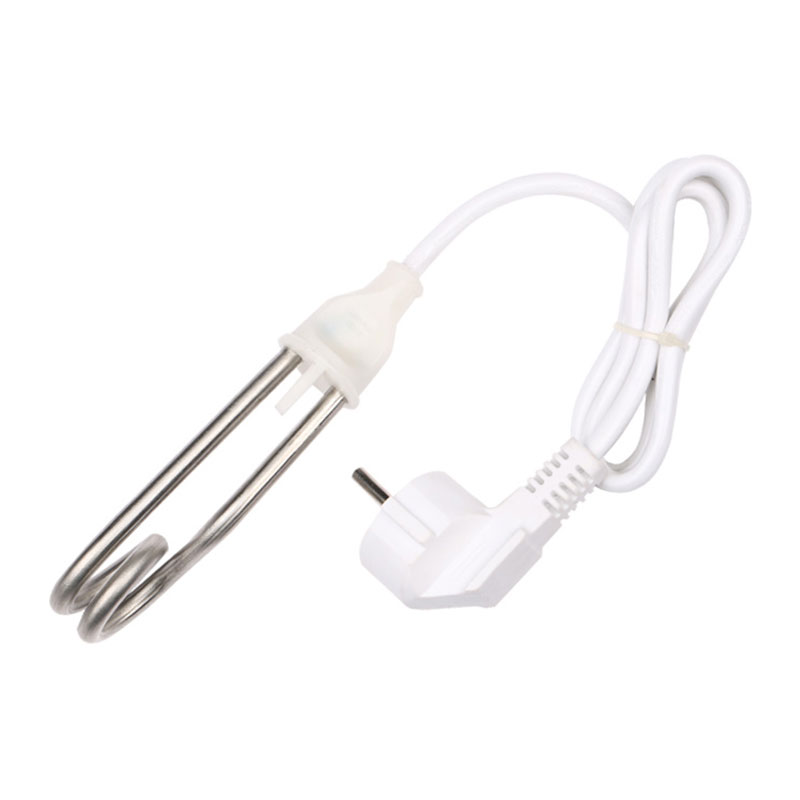
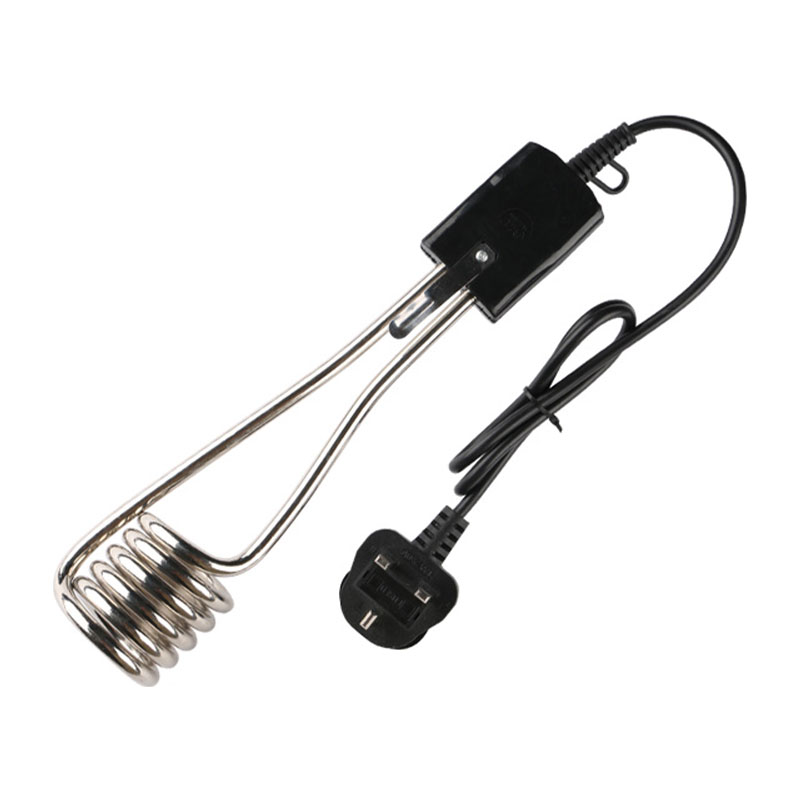
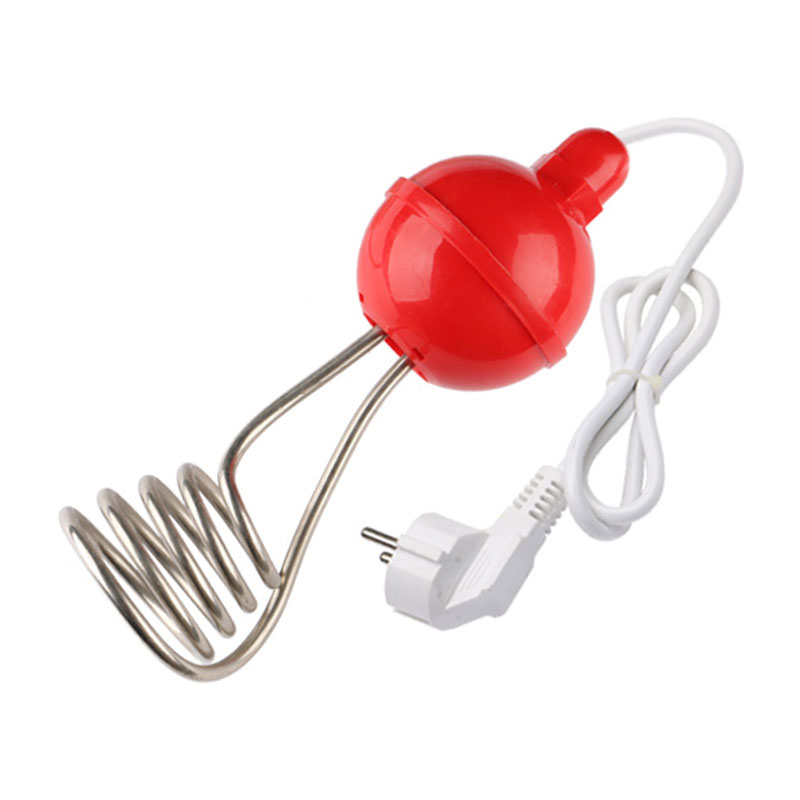
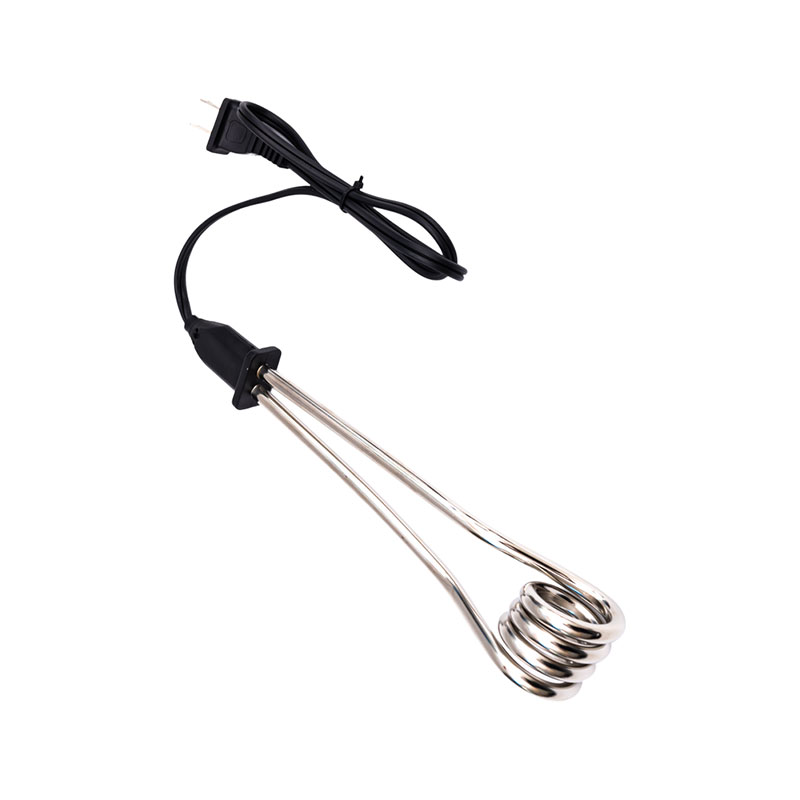
Heating Element Composition and Sheathing: The core of a "Car Immersion Water Heater" typically consists of a Nichrome (Nickel-Chromium) wire, which possesses high electrical resistance and a high melting point. This wire is embedded in magnesium oxide (MgO) powder, which acts as a superior electrical insulator while maintaining high thermal conductivity. The entire assembly is then sealed within a stainless steel or copper alloy tube. High-end "12V car heaters" utilize 304 or 316-grade stainless steel to ensure that the device remains "food-safe" and resistant to rust. The shape of the coil is often a spiral or a "U" bend, which maximizes the surface area in contact with the liquid, thereby accelerating the heat transfer process and reducing the time required to reach boiling point.
-
Electrical Connectivity and Cigarette Lighter Plug Design: The connection interface is a pivotal component of the "Car Immersion Water Heater." The plug must be designed to handle sustained high-current loads—often between 8A and 15A—without melting or losing contact. Professional-grade models incorporate a built-in fuse within the plug head to protect the vehicle's electrical circuit from short circuits. The wiring used is typically heavy-duty copper cable with thick PVC or silicone insulation to withstand the high temperatures generated near the heating head. Furthermore, the tension springs on the sides of the plug are engineered to provide a secure fit in various socket depths, ensuring that the "Car Immersion Water Heater" does not disconnect due to vehicle vibrations or road bumps.
-
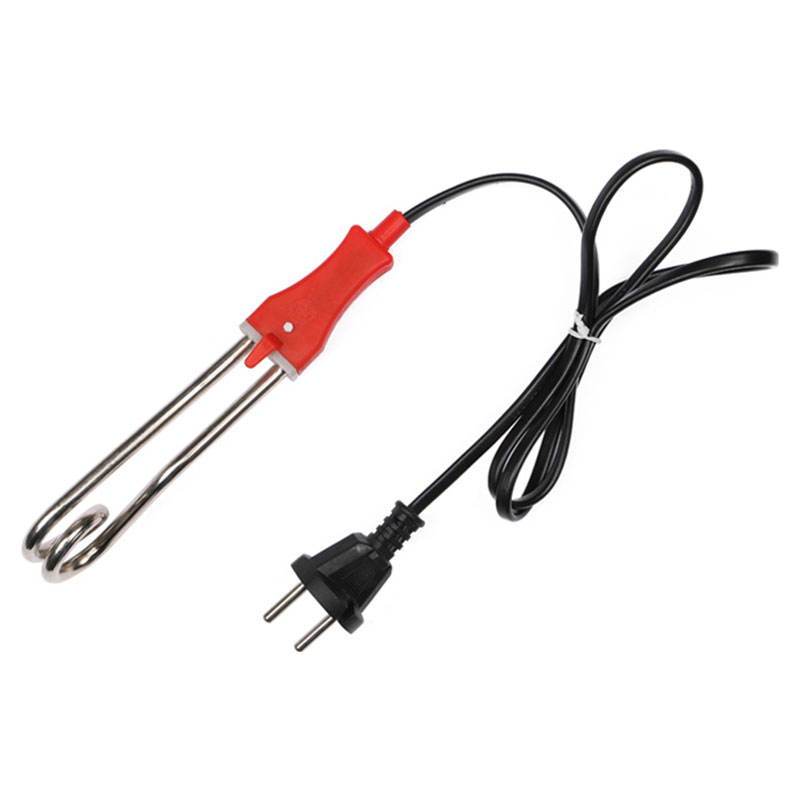
Heat Dissipation and Safety Handles: Since the heating head becomes extremely hot, the handle must be constructed from high-performance thermosetting plastics or heat-resistant ABS. This ensures that the user can safely remove the "Car Immersion Water Heater" from the liquid once the desired temperature is reached. Many models feature a "hook" or "clip" design on the handle, allowing the heater to hang securely on the rim of a mug or thermos. This prevents the heating element from touching the bottom of the container, which could potentially damage plastic or glass vessels. The integration of a LED power indicator light is also a standard safety feature, providing a visual confirmation that the "immersion heater" is actively drawing power.
To understand the performance differences based on vehicle power systems, refer to the technical comparison table below:
|
Feature Specification
|
Standard 12V Model
|
Heavy Duty 24V Model
|
Dual Voltage (12V/24V)
|
|
Typical Power Output
|
120W - 150W
|
250W - 300W
|
Variable (Auto-Sensing)
|
|
Average Boiling Time (250ml)
|
12 - 15 Minutes
|
5 - 8 Minutes
|
6 - 14 Minutes
|
|
Current Draw (Amps)
|
10A - 12.5A
|
10.5A - 12.5A
|
8A - 12A
|
|
Heating Coil Material
|
Stainless Steel 304
|
Stainless Steel 316
|
Copper with Nickel Plate
|
|
Plug Fuse Rating
|
15A Glass Tube
|
20A Ceramic
|
20A Resettable
|
|
Ideal Application
|
Sedans, SUVs, Vans
|
Trucks, Buses, Heavy Machinery
|
Universal Travel Use
|
|
Safety Certification
|
CE / RoHS
|
CE / RoHS / UL
|
CE / FCC / RoHS
|
How Do Thermal Transfer Dynamics and Fluid Volume Impact the Efficiency of a Car Immersion Water Heater?
Efficiency in a "Car Immersion Water Heater" is not just about raw wattage; it is about how effectively the generated heat is absorbed by the surrounding liquid and the limitations imposed by the vehicle's battery.
-
Fluid Dynamics and Heat Distribution: When a "Car Immersion Water Heater" is placed in a mug, the liquid immediately surrounding the coil heats up, becomes less dense, and rises, creating a natural convection current. This movement is essential for uniform heating. However, if the container is too large, the heat loss through the walls of the vessel may cancel out the energy input from a lower-wattage "portable heater." For optimal performance, it is recommended to use insulated travel mugs. The depth of immersion also plays a role; the "immersion heater" must be submerged at least 75% of its length to prevent the element from "dry firing," which can lead to immediate burnout of the internal resistance wire.
-
Battery Conservation and Voltage Drop: Operating a "Car Immersion Water Heater" requires a significant draw from the car battery. In a 12V system, a 150W heater pulls approximately 12.5 Amps. If the engine is not running, this can deplete a standard car battery relatively quickly. Therefore, technical manuals always suggest using the "Car Immersion Water Heater" while the engine is idling or the vehicle is in motion. Furthermore, the "voltage drop" across long or thin wires can reduce the effective wattage reaching the coil. High-quality "travel boilers" use thick-gauge wiring to minimize this loss, ensuring that the full power of the alternator is directed toward heating the liquid rather than warming the cable.
-
Boiling Point Variations and Altitude Factors: For travelers using a "Car Immersion Water Heater" in mountainous regions, the boiling point of water decreases as altitude increases. While the heater's electrical performance remains constant, the time to reach a "rolling boil" may seem shorter at higher elevations. Conversely, in extremely cold environments, the initial temperature of the water might be near 0°C, requiring significantly more energy to reach a boil compared to water at room temperature. Users must be aware that a "Car Immersion Water Heater" is a gradual heating device; it is designed for steady thermal accumulation rather than the near-instantaneous results seen in 2000W domestic appliances.
What Are the Critical Operational Protocols and Maintenance Steps for a Car Immersion Water Heater?
To ensure the longevity of the "Car Immersion Water Heater" and the safety of the vehicle's interior, specific operational procedures must be followed strictly by the user.
-
Sequential Connection and Dry-Burn Prevention: The most critical rule for using a "Car Immersion Water Heater" is the sequence of operation. The heating element MUST be submerged in the liquid before the plug is inserted into the cigarette lighter socket. Conversely, the plug must be removed before the heater is lifted out of the liquid. Removing a live heater from water causes an "air-fire" situation where the temperature of the stainless steel sheath can spike to over 500°C in seconds, leading to a permanent failure of the internal insulation or even a fire hazard. Some advanced "smart immersion heaters" include a thermal cutoff switch that breaks the circuit if the temperature exceeds a certain threshold, but manual discipline remains the primary safety measure.
-
Cleaning, Descaling, and Storage: After each use, the "Car Immersion Water Heater" should be wiped down with a damp cloth once it has cooled completely. Mineral deposits, often referred to as "scale," can accumulate on the metal surface if the device is used with hard water. This scale acts as a thermal insulator, forcing the internal wire to run hotter to achieve the same results, which eventually leads to element fatigue. Periodically soaking the cold heating coil in a mild vinegar solution can dissolve these deposits and restore the "portable water heater" to its original efficiency. When not in use, the cord should be coiled loosely to avoid internal wire breakage, and the device should be stored in a dry location to prevent moisture from entering the plug housing.
-
Environmental Considerations and Liquid Compatibility: While primarily used for water, a "Car Immersion Water Heater" can be used for thin liquids like milk or clear soups, provided they are thoroughly cleaned afterward to prevent organic residue from burning onto the coil. It is not suitable for thick oils or viscous substances, as these do not allow for effective convection and can cause localized overheating of the metal sheath. Additionally, the user must ensure that the "car heater" does not touch the sides of the container for extended periods, as the intense heat at the point of contact could melt certain plastic travel cups. Proper usage ensures that this "12V heating tool" remains a reliable companion for thousands of miles of travel.


 English
 русский
 Español
 عربى
عربى

 Custom Electric Heater Components Manufacturers