In the critical infrastructure of modern electrical systems, the PVC Power Cord serves as the fundamental link between energy sources and high-performance appliances. The engineering of these cords goes far beyond simple copper conduction; it involves a complex synthesis of Polyvinyl Chloride (PVC) resins, plasticizers, and stabilizers designed to meet rigorous international safety standards. Unlike alternative insulation materials, PVC offers a specific balance of dielectric strength, flame retardancy, and environmental resistance that is essential for both domestic and industrial environments. This report explores the technical nuances of PVC formulation and its role in enhancing the longevity and safety of power distribution components.
What Are the Key Material Specifications That Define the Performance of a PVC Power Cord?
The performance of a PVC Power Cord is dictated by its grade of insulation and the quality of the copper core. Manufacturers must adhere to specific Shore hardness ratings and temperature tolerance levels to ensure the cord remains functional under various thermal conditions.
-
Polymer Insulation and Dielectric Integrity: The insulation layer of a high-quality PVC Power Cord is engineered to have a high dielectric constant, preventing electrical leakage even when the voltage spikes. The PVC compound is often blended with thermal stabilizers like lead-free calcium-zinc complexes, which prevent the polymer from degrading during the extrusion process. This ensures that the insulation remains flexible and does not become brittle over time, a critical factor for cords that are frequently coiled or bent during use in portable electronics or workshop tools.
-
Copper Conductor Purity and Stranding Configuration: Inside every PVC Power Cord, the conductor is typically made of Oxygen-Free High-Conductivity (OFHC) copper. The copper is finely stranded—rather than solid—to increase the "skin effect" efficiency and provide maximum flexibility. The cross-sectional area (measured in mm² or AWG) is precisely calibrated to the rated current. For example, a cord rated for 15 Amps requires a specific gauge of copper to prevent resistive heating, which could otherwise compromise the surrounding PVC jacket.
-
Jacket Toughness and Environmental Shielding: The outer sheath of the PVC Power Cord provides the first line of defense against mechanical impact, abrasion, and chemical exposure. Specialized "oil-resistant" PVC grades are used for cords intended for industrial machinery, where contact with lubricants or coolants is common. The thickness of this jacket is standardized to provide a "safety buffer," ensuring that even if the cord is stepped on or caught in a door, the internal insulation remains intact and the risk of a short circuit is minimized.
|
Technical Parameter
|
Standard PVC Power Cord
|
Industrial Grade PVC Cord
|
|
Voltage Rating
|
300V / 500V
|
600V / 1000V
|
|
Temperature Range
|
-10°C to +70°C
|
-30°C to +105°C
|
|
Insulation Resistance
|
> 20 MΩ/km
|
> 50 MΩ/km
|
|
Flammability Rating
|
UL VW-1 / FT1
|
UL VW-1 / FT2 (High FR)
|
|
Flexing Life Cycles
|
> 5,000 Bends
|
> 15,000 Bends
|
Why Is Flame Retardancy and Thermal Stability Critical for PVC Power Cord Safety?
Because electricity naturally generates heat through resistance, a PVC Power Cord must be capable of self-extinguishing in the event of an overload or external fire. The chemical additives within the PVC play a vital role in preventing the cord from becoming a fuel source.
-
Halogenated Flame Retardants and Smoke Suppression: Traditional PVC contains chlorine, which inherently provides some fire resistance. However, a high-performance PVC Power Cord is further enhanced with Antimony Trioxide or Alumina Trihydrate. In the presence of a flame, these additives release chemical vapors that "starve" the fire of oxygen, causing the cord to self-extinguish within seconds of the heat source being removed. Advanced formulations also include smoke suppressants to reduce the density of fumes, a crucial safety feature for cords used in enclosed public spaces or data centers.
-
Heat Aging Resistance and Plasticizer Migration: One of the technical challenges in PVC engineering is "plasticizer migration," where the chemicals that make the cord flexible move toward the surface, leaving the cord stiff. Premium PVC Power Cord models use "low-volatility" plasticizers that stay locked within the polymer matrix even at high operating temperatures (up to 105°C). This ensures the cord maintains its original bend radius and tactile feel throughout its service life, preventing the "cracking" that can expose live wires and lead to electric shocks.
-
Overload Protection and Heat Dissipation Efficiency: The thermal conductivity of the PVC jacket is optimized to allow heat generated by the copper core to dissipate into the surrounding air. If a PVC Power Cord is poorly engineered, heat can become trapped, leading to a "thermal runaway" where the resistance of the copper increases, generating even more heat. By maintaining a specific surface area to volume ratio, high-quality cords ensure that they stay within safe temperature limits even when operating at 100% of their rated capacity for extended periods.
How Does the Integration of Molding Technology and Connector Design Enhance PVC Power Cord Reliability?
The point where the PVC Power Cord meets the plug or the appliance is the most common site of failure. Advanced molding techniques are used to reinforce these "transition zones" and ensure a permanent, waterproof bond.
-
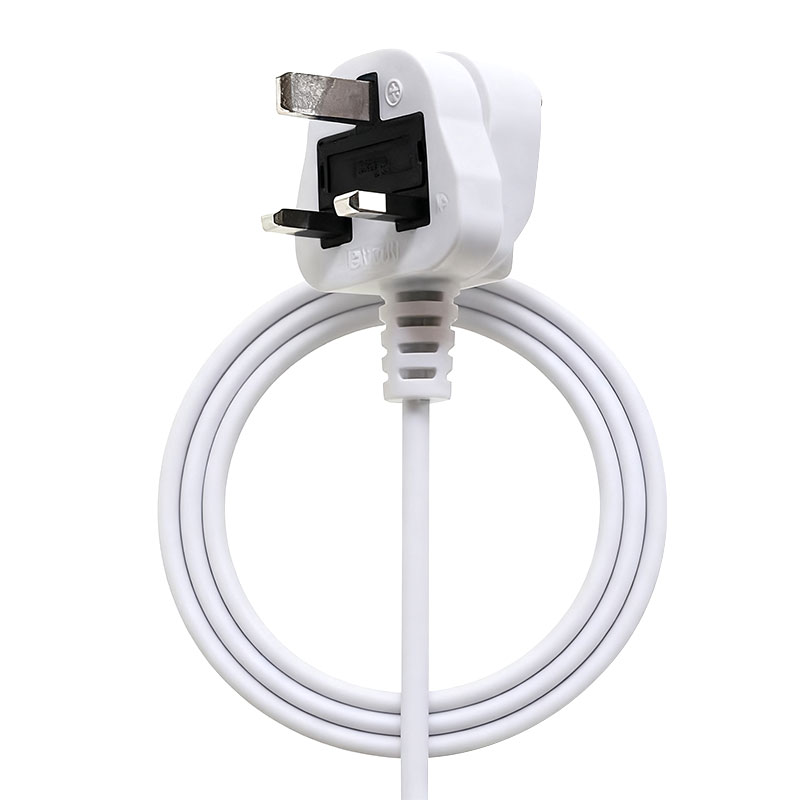
Overmolded Strain Relief Engineering: In professional-grade PVC Power Cord production, the plug is "overmolded" directly onto the cable. This creates a chemical bond between the plug body and the cord jacket, making it impossible for the wires to be pulled out of the terminals. The "strain relief" (the tapered, ribbed section) is designed to distribute the force of a bend over a larger area, preventing the copper strands from breaking at the point of entry. This geometry is calculated using Finite Element Analysis (FEA) to ensure the cord can survive thousands of "sharp-angle" bends without failure.
-
In-Line Waterproofing and Hermetic Sealing: For applications involving humidity or outdoor use, the PVC Power Cord is manufactured with hermetically sealed connectors. During the molding process, the liquid PVC is injected at high pressure into the plug mold, filling every microscopic gap around the copper pins. This prevents moisture from "wicking" up the inside of the cord through capillary action, which would otherwise cause corrosion of the internal copper and eventual failure. This level of sealing is essential for power cords used in kitchen appliances, outdoor lighting, and medical equipment.
-
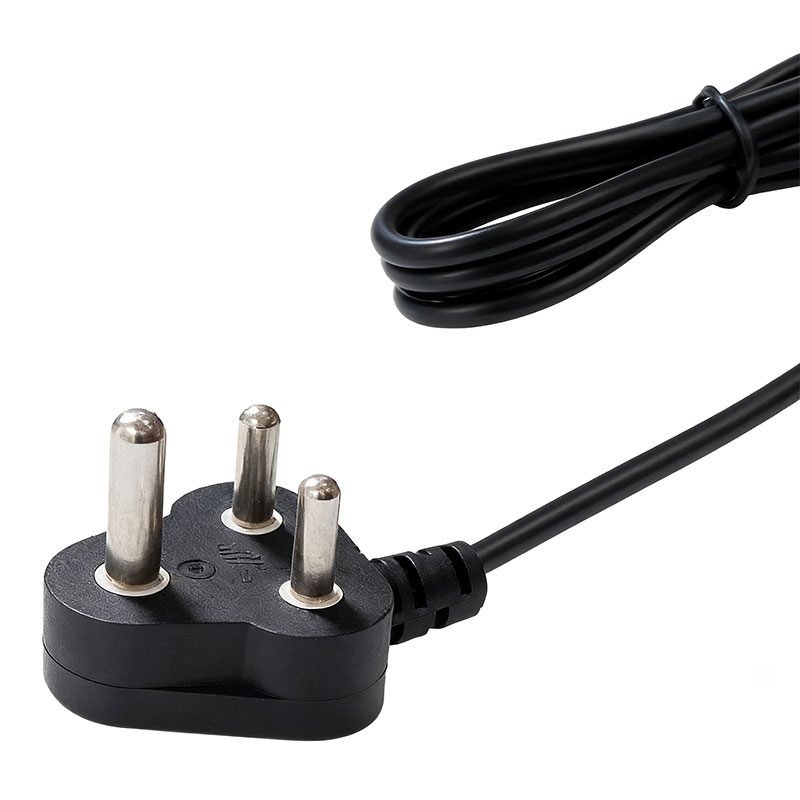
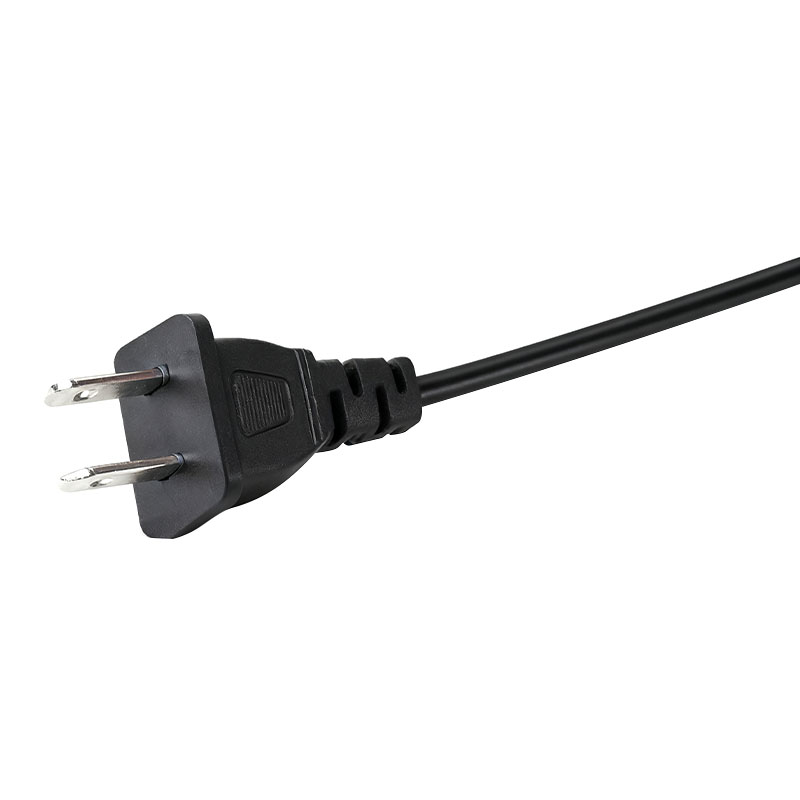
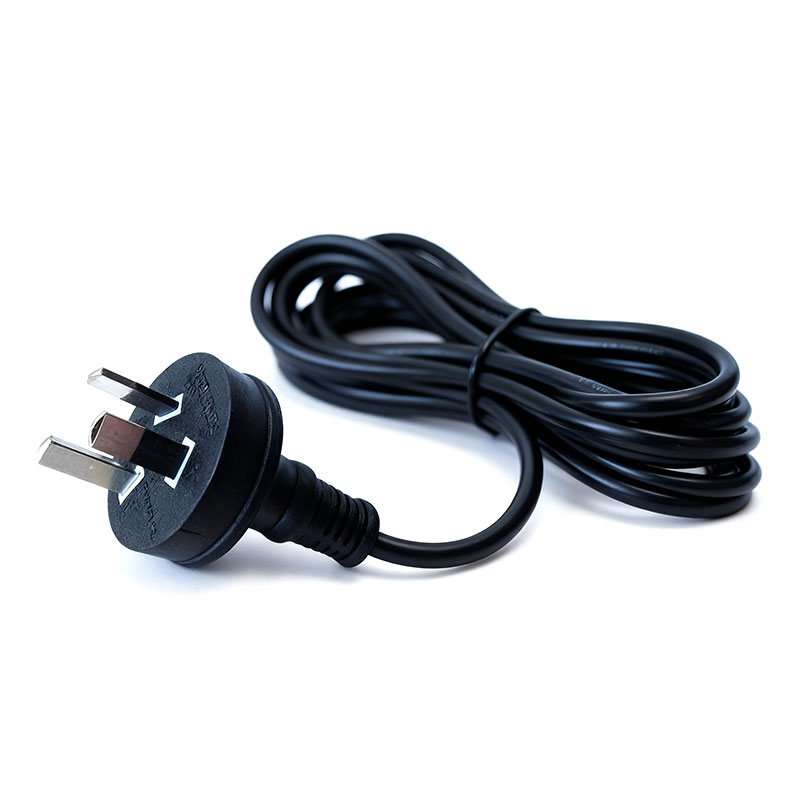
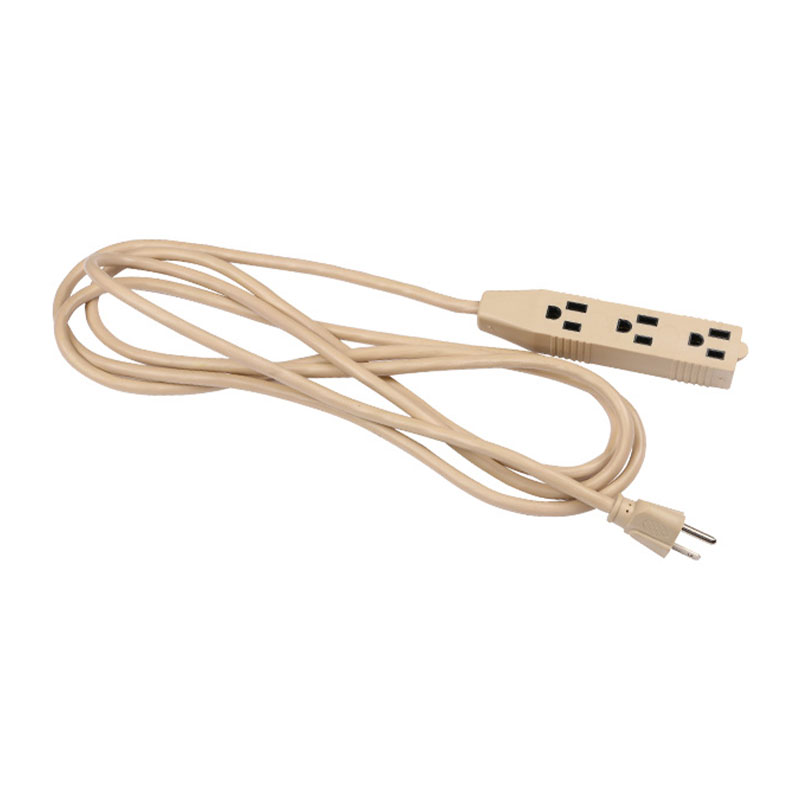
Compliance with International Plug Standards: A PVC Power Cord must be fitted with connectors that adhere to regional standards such as NEMA (North America), VDE (Europe), or BS (United Kingdom). The internal wiring within the plug—often involving crimped terminals—is designed to have a lower resistance than the cord itself to prevent "hot spots" at the wall outlet. The pins are often nickel-plated or brass-finished to prevent oxidation and ensure a consistent electrical contact over years of being plugged and unplugged, maintaining the overall efficiency of the power delivery system.
By combining these advanced material sciences with rigorous structural engineering, the modern PVC Power Cord provides a reliable and safe solution for the most demanding electrical applications.


 English
 русский
 Español
 عربى
عربى

 Custom Electric Heater Components Manufacturers