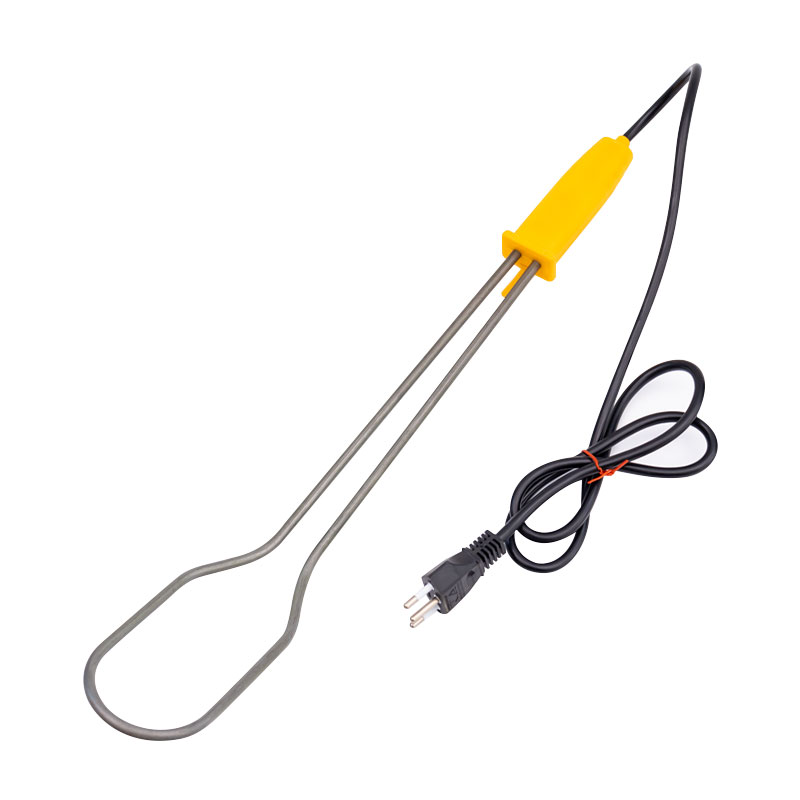
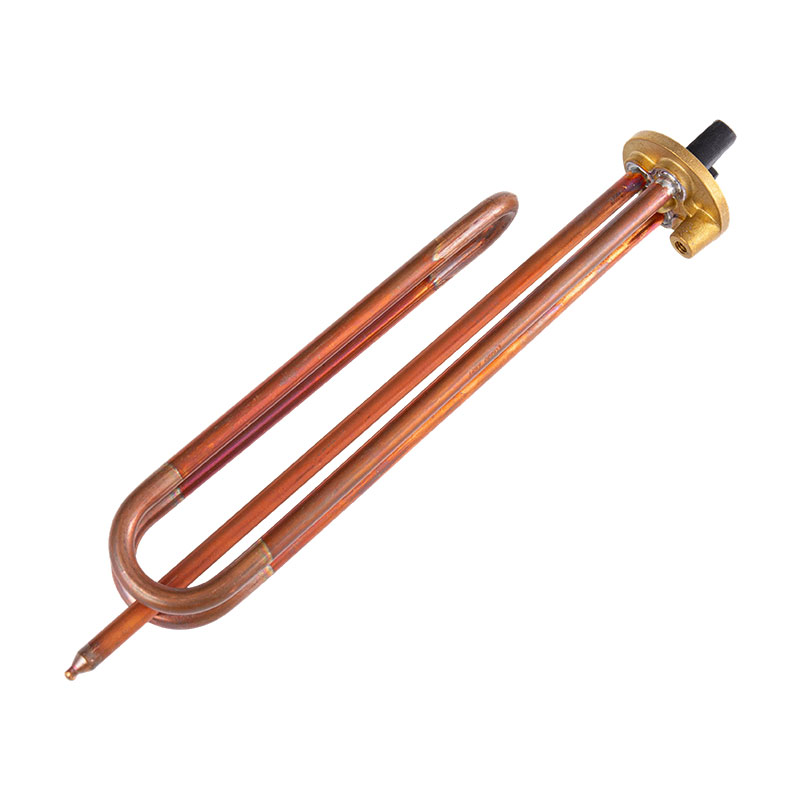
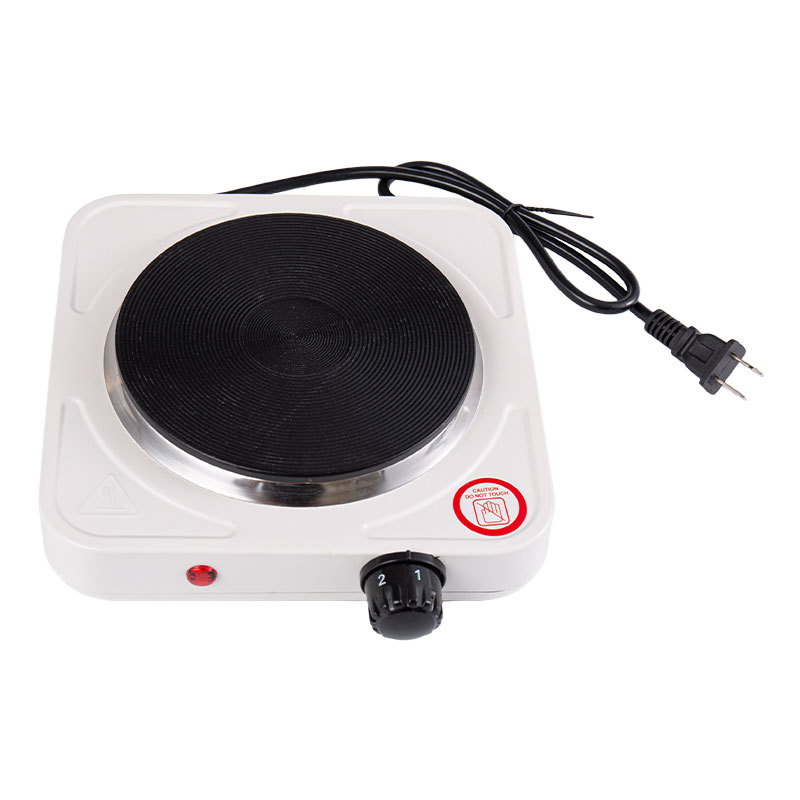
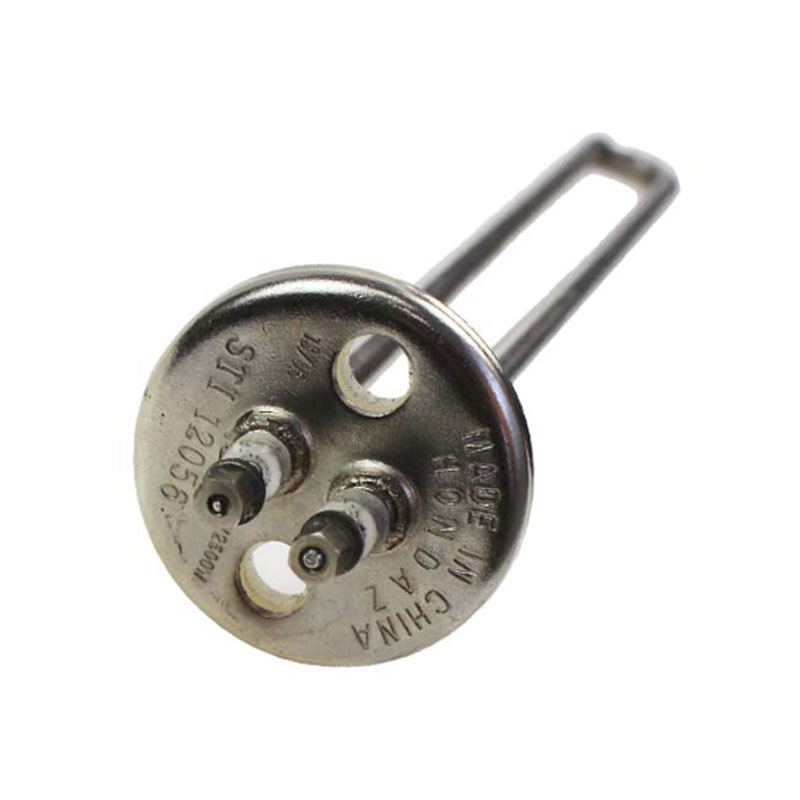
In the specialized field of industrial and domestic thermal management, the distinction between a Dry-Burning Electric Heating Element and an Immersion Heating Element is fundamental to system reliability. While both operate on the principle of Joule heating—converting electrical energy into thermal energy through resistive conductors—the environmental conditions they face are vastly different. A dry-burning element must dissipate heat into stagnant or moving air, often reaching extreme surface temperatures, whereas an immersion element transfers heat directly into a liquid medium, necessitating superior corrosion resistance and hermetic sealing. This report analyzes the metallurgical engineering and structural design required to optimize these components for their respective high-demand environments.
What Are the Technical Differences Between a Dry-Burning Electric Heating Element and an Immersion Heating Element?
The primary challenge in heating element design is managing the "watt density"—the amount of power dissipated per unit of surface area. Failure to match the element type to the medium can lead to rapid oxidation or catastrophic thermal runaway.
-
Metallurgical Composition and Sheath Integrity: A Dry-Burning Electric Heating Element typically utilizes high-temperature stainless steel grades like AISI 310S or Incoloy 800/840. These alloys are rich in chromium and nickel, forming a protective "scale" that prevents the metal from scaling off at temperatures exceeding 700°C. In contrast, an Immersion Heating Element often prioritizes chemical stability in liquids. For water heating, AISI 304 or 316L is common, but for corrosive chemical baths, titanium or Teflon-coated sheaths are required. The internal insulation—typically high-purity Magnesium Oxide (MgO)—must be more densely compacted in immersion models to ensure no moisture can penetrate the electrical path, even under hydrostatic pressure.
-
Heat Dissipation Mechanisms and Watt Density Limits: Dry-burning elements are designed with a lower watt density (typically 2-4 W/cm²) because air is a poor conductor of heat. If the watt density is too high, the internal resistance wire will melt. To compensate, these elements often feature integrated "fins" (finned heaters) to increase surface area and improve convection. Conversely, an Immersion Heating Element can handle much higher watt densities (up to 10-15 W/cm²) because liquids carry heat away far more efficiently. However, if an immersion element is accidentally operated in "dry" conditions, it will fail within seconds due to the lack of a heat sink, a phenomenon known as "dry firing."
-
Thermal Expansion and Structural Support: Because a Dry-Burning Electric Heating Element undergoes significant thermal cycling, its support structure must allow for expansion and contraction without causing stress fractures. These elements are often pre-annealed to improve ductility. Immersion elements, while operating at lower surface temperatures due to the cooling effect of the liquid, must deal with the buildup of "scale" or calcium deposits. If scale accumulates, it acts as an insulator, causing the element to overheat locally. Therefore, the sheath geometry of an immersion element is often designed to be smooth and easy to clean or treated with anti-scaling coatings.
|
Technical Parameter
|
Dry-Burning Electric Heating Element
|
Immersion Heating Element
|
|
Common Sheath Material
|
Incoloy 800 / SS310S
|
SS304 / SS316L / Copper / Titanium
|
|
Max Surface Temp
|
Up to 850°C
|
Dependent on liquid boiling point
|
|
Standard Watt Density
|
2.5 - 4.5 W/cm²
|
6.0 - 15.0 W/cm²
|
|
Insulation Type
|
High-Temp Compressed MgO
|
Moisture-Resistant Compacted MgO
|
|
Typical Application
|
Ovens, Space Heaters, Load Banks
|
Water Heaters, Boilers, Oil Tanks
|
Why is Magnesium Oxide Quality and Compaction Essential for Element Longevity?
The internal anatomy of both the Dry-Burning Electric Heating Element and the Immersion Heating Element relies on Magnesium Oxide (MgO) as the dielectric medium. This powder must perform the contradictory roles of being an electrical insulator and a thermal conductor.
-
MgO Grain Size and Thermal Conductivity Optimization: The MgO powder used in premium heating elements is carefully graded for particle size. If the grains are too large, air pockets form, creating "hot spots" that can burn out the internal NiCr (Nickel-Chromium) resistance wire. In a Dry-Burning Electric Heating Element, the MgO must be stable at high temperatures without undergoing chemical changes that would reduce its dielectric strength. Manufacturers use vibration-loading and swaging (rolling) processes to compress the MgO to nearly 90% of its theoretical density, ensuring a solid path for heat to move from the wire to the outer sheath.
-
Leakage Current and Moisture Absorption Prevention: For an Immersion Heating Element, the greatest risk is "hygroscopy"—the tendency of MgO to absorb moisture from the atmosphere. Even a microscopic amount of water can cause a high leakage current, tripping safety breakers. To prevent this, the ends of the heating element are hermetically sealed using specialized silicone resins or high-temperature epoxy. In high-end dry-burning models, ceramic end-seals are often used because they can withstand the radiant heat from the element without degrading, maintaining a permanent barrier against environmental contaminants.
-
Resistance Wire Centering and Uniformity: During the manufacturing of both a Dry-Burning Electric Heating Element and an Immersion Heating Element, the NiCr 80/20 resistance wire must be perfectly centered within the sheath. If the wire is closer to one side, that side of the sheath will become significantly hotter, leading to uneven thermal expansion and eventual cracking of the metal. Advanced X-ray inspection techniques are employed to verify the concentricity of the wire throughout the entire length of the element, especially for complex U-shaped or coiled configurations used in industrial immersion heaters.
How Do Integrated Control Systems Prevent Failure in Dry-Burning and Immersion Scenarios?
The safety of a heating system is often determined by the sensors and limiters integrated into the element assembly. These systems prevent the element from reaching its melting point or creating a fire hazard.
-
Integrated Thermocouples and Thermal Fuses: Many Dry-Burning Electric Heating Element designs include a built-in Type K or Type J thermocouple located inside the sheath. This allows for real-time monitoring of the internal temperature, enabling the control system to throttle power if air circulation fails. For an Immersion Heating Element, "over-temperature" protection often takes the form of a mechanical reset limit switch or a one-time thermal fuse. This is critical for preventing "boil-dry" situations, where the liquid level drops and exposes the active portion of the heater to the air.
-
Surface Coating and Chemical Shielding: To extend the life of an Immersion Heating Element in aggressive environments, such as electroplating tanks or saltwater, specialized coatings are applied. Electropolishing the stainless steel sheath removes surface impurities, making it more resistant to pitting corrosion. Some elements are "PTFE-sleeved," providing a chemically inert barrier that allows for the heating of strong acids without degrading the metal core. For dry-burning elements, ceramic coatings can be applied to enhance infrared emissivity, improving the efficiency of radiant heat transfer in industrial drying tunnels.
-
Terminal Block Design and Electrical Safety: The connection point—where the power cord attaches to the heating element—must be engineered for high-current loads. In a Dry-Burning Electric Heating Element, the terminal pins are often made of stainless steel or nickel-plated steel to resist oxidation at the connection point. For immersion applications, the terminal box (often rated IP65 or IP67) must be completely waterproof to prevent short circuits in washdown environments. The use of "cold pins"—sections of the element that do not generate heat—ensures that the terminals remain at a safe temperature, preventing the melting of wire insulation at the point of entry.
By mastering the balance of material density, metallurgical shielding, and integrated safety controls, engineers ensure that both Dry-Burning Electric Heating Elements and Immersion Heating Elements provide reliable, long-term performance in their respective thermal applications.


 English
 русский
 Español
 عربى
عربى

 Custom Electric Heater Components Manufacturers