When winter temperatures drop below freezing, starting your car can become a frustrating ordeal. Thickened oil, reduced battery capacity, and sluggish coolant all contribute to hard starts, increased engine wear, and elevated emissions. For decades, drivers in cold climates have relied on a simple yet effective solution: the car immersion water heater. Also known as an engine block heater or coolant immersion heater, this device keeps your engine warm and ready to start, even on the coldest mornings.
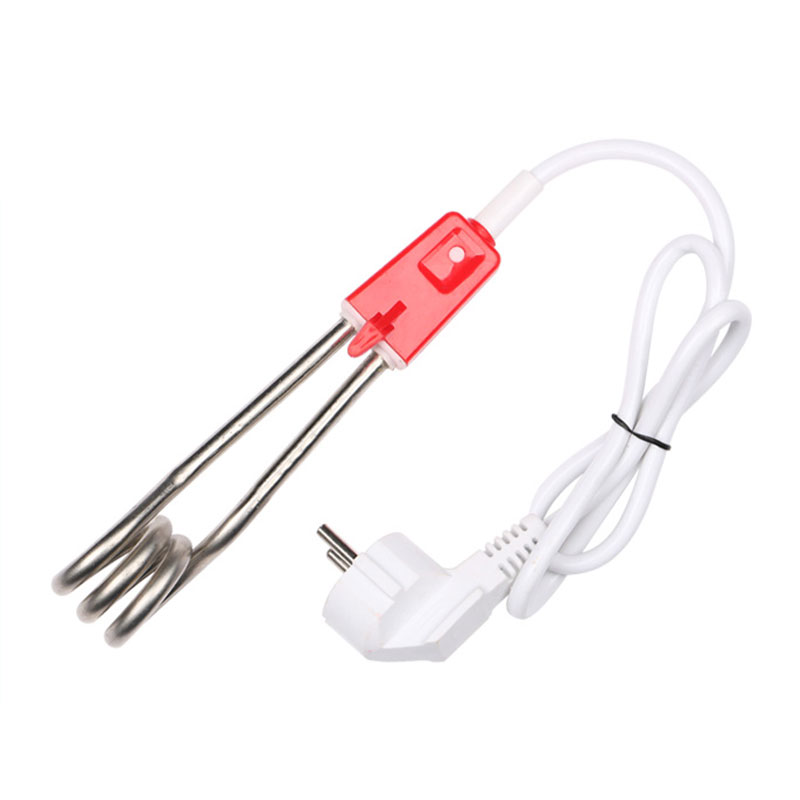
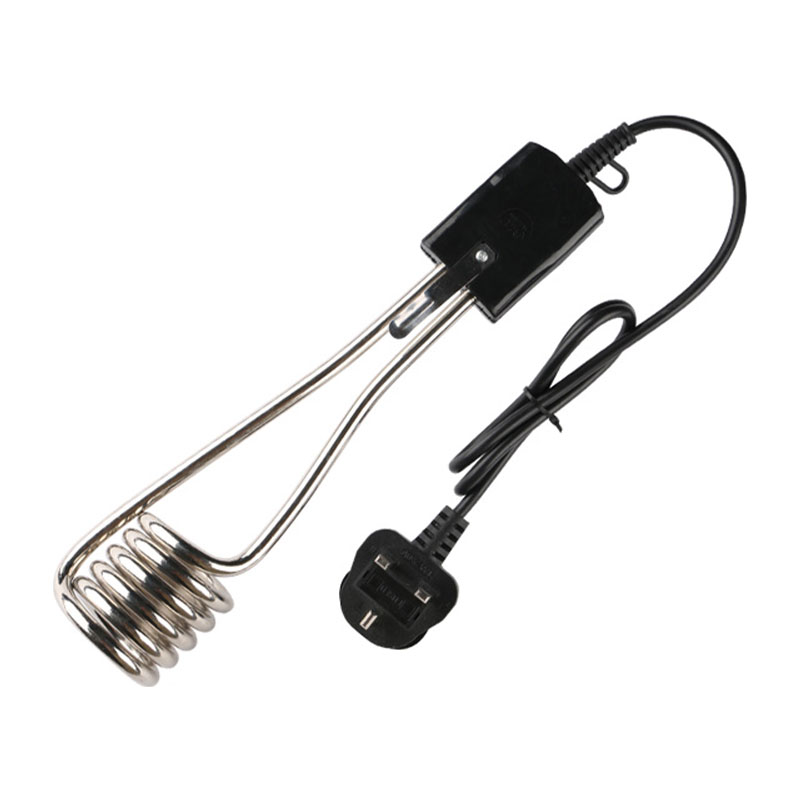
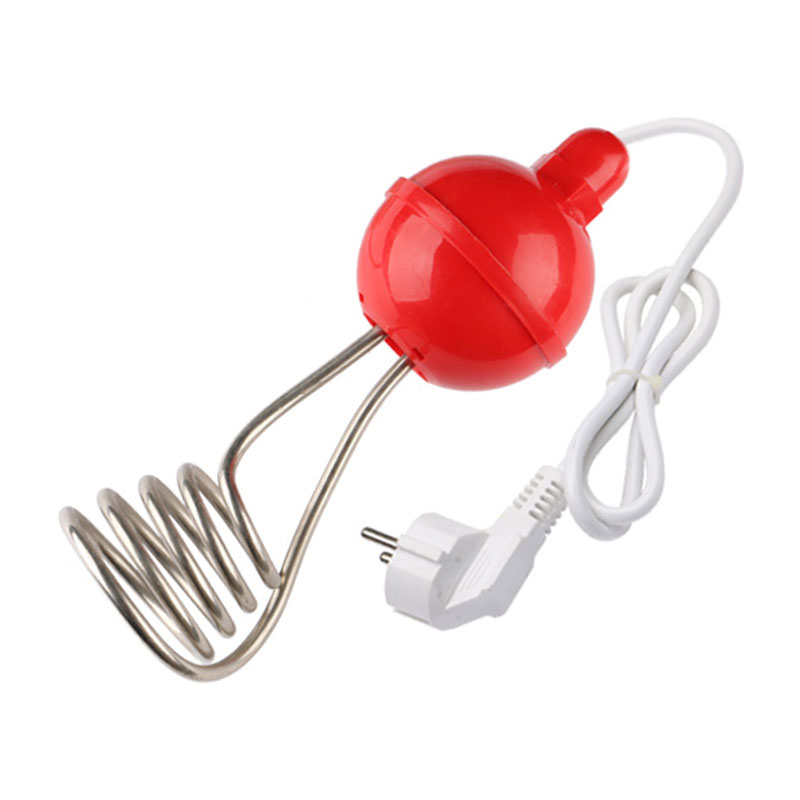
A car immersion water heater is an electrically operated heating element that is installed directly into the engine's cooling system. It warms the coolant, which then circulates through the engine block by natural convection, raising the temperature of the oil, cylinder walls, and other critical components. The result is a smooth, reliable start every time, with less strain on the battery and starter motor.
In this comprehensive guide, we will explore everything you need to know about car immersion water heaters: their operating principles, the different types available, key benefits, installation procedures, usage tips, safety precautions, and answers to the most frequently asked questions.
What Is a Car Immersion Water Heater?
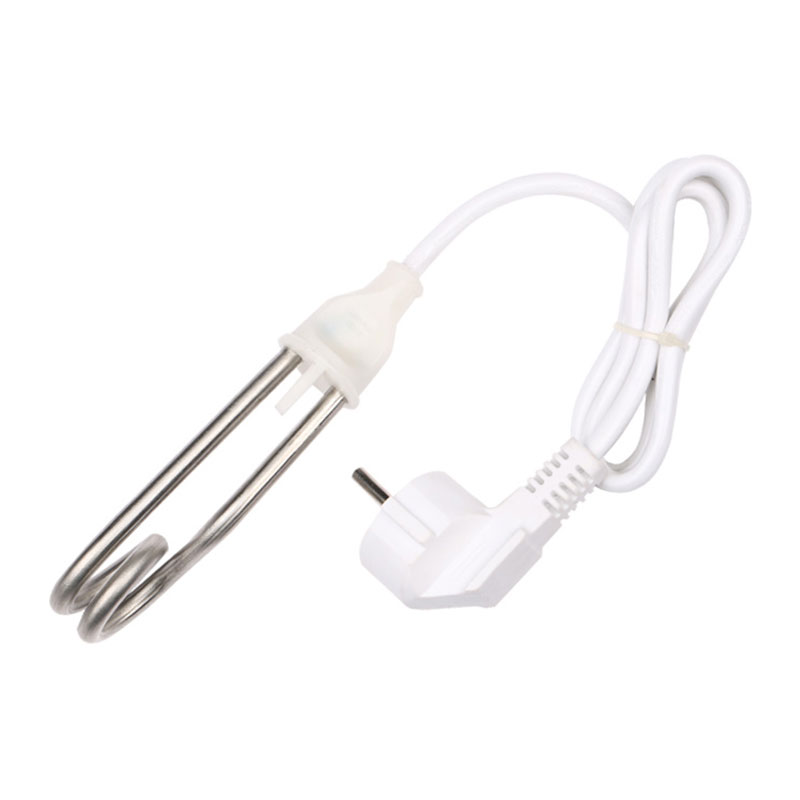
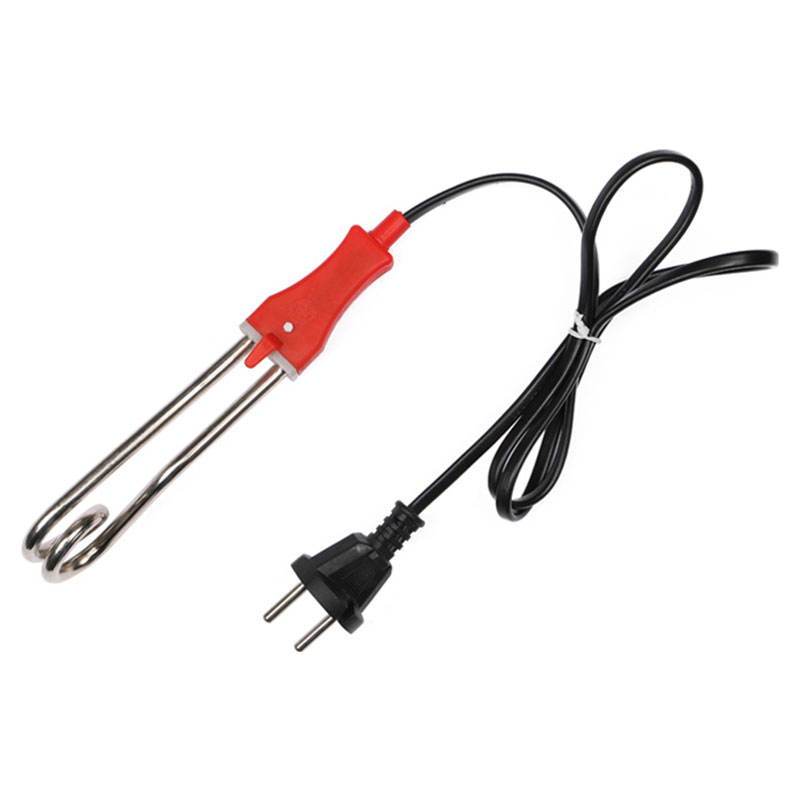
A car immersion water heater, often referred to as an engine block heater, frost plug heater, or coolant immersion heater, is an electric heating device that is submerged directly in the engine's coolant. When plugged into a standard household electrical outlet (typically 120V in North America), the heating element warms the surrounding coolant, which then circulates throughout the engine via natural convection (thermosiphon effect). This process keeps the engine at an optimal temperature for starting, even in sub‑zero conditions.
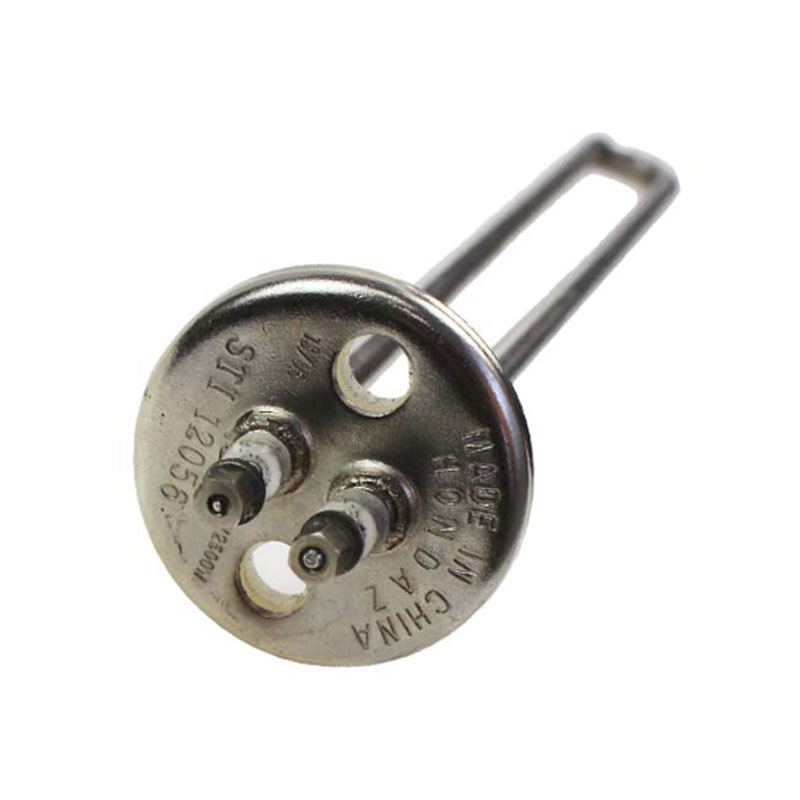
Immersion heaters are designed to be installed in the engine block, either replacing a frost plug (core plug) or threading into a dedicated port. The heating element is protected by a metal sheath and is sealed to prevent coolant leakage. The power cord is routed through the grille for easy access.
These heaters are available in a range of wattages, typically from 150 watts to 1,500 watts, with 400‑750 watts being most common for passenger vehicles. Higher wattage units heat the engine faster but draw more current.
The key advantage of an immersion heater is its direct contact with the coolant, which ensures highly efficient heat transfer. Because the element is immersed, virtually all the electrical energy is converted into heat and transferred to the fluid, minimizing waste.
How Does a Car Immersion Water Heater Work?
The operation of a car immersion water heater is based on a simple yet effective principle: electrical resistance heating. When the heater is plugged in, electric current flows through a resistance wire inside the heating element. The resistance generates heat, which is transferred through the metal sheath to the surrounding coolant.
As the coolant warms, it becomes less dense and rises, creating a natural convection current. This circulation, known as thermosiphon, draws cooler coolant from the engine block into the heater area, where it is warmed in turn. Over time, the entire engine block, cylinder head, and oil pan reach an elevated temperature—typically around 40‑60°F (5‑15°C) above ambient, depending on the outside temperature and the heater's wattage.
Because the heater is immersed directly in the coolant, heat transfer is highly efficient. There is no pump or moving parts—the natural movement of heated fluid is sufficient to distribute warmth throughout the engine. This simple design makes immersion heaters reliable and long‑lasting.
The heater is operated by plugging it into a standard household outlet. A timer can be used to start the heating process a few hours before the driver intends to leave, ensuring the engine is warm without wasting electricity. The heater must never be energized while the engine is running or when the heating element is not fully submerged in coolant.
Why Do You Need a Car Immersion Water Heater?
If you live in a region where winter temperatures regularly fall below freezing, a car immersion water heater is not a luxury—it is a practical necessity. Here are the key reasons why.
Easier Winter Starts: Cold engines are notoriously difficult to start. Oil thickens, battery capacity drops, and fuel does not vaporize properly. A warmed engine starts quickly and reliably, eliminating the frustration of a car that cranks slowly or fails to start altogether.
Reduced Engine Wear: Most engine wear occurs during cold starts, when oil has not yet reached critical components. By pre‑warming the engine, an immersion heater ensures that oil flows freely from the moment the engine turns over, providing instant lubrication and significantly reducing wear on bearings, pistons, and cylinder walls.
Lower Emissions: Warm engines produce significantly fewer emissions. When the engine is at operating temperature, fuel burns more completely, reducing the output of hydrocarbons, carbon monoxide, and nitrogen oxides.
Quicker Cabin Heating: A warm engine means the heater core gets hot faster, providing quicker cabin heating and defrosting. On frigid mornings, this improves comfort and visibility almost immediately.
Extended Component Life: By reducing the stress of cold starts, immersion heaters extend the life of the engine, starter system, and battery. Less strain on the starter motor and battery means fewer replacements over the vehicle's lifetime.
Fuel Savings: Warming the engine before starting reduces the fuel wasted during the warm‑up period. This translates to modest but noticeable fuel savings over the winter months.
Types of Car Immersion Water Heaters
Car immersion water heaters come in several configurations, each suited to different engine designs and installation preferences. The most common types are freeze plug heaters, threaded heaters, and external thermosiphon heaters.
Freeze Plug (Frost Plug) Heaters
The most widely used type is the freeze plug heater, also known as a frost plug heater. This heater replaces one of the engine's core plugs (freeze plugs) with a heating element that is immersed directly in the coolant. The heater is locked into position using a V‑Loc system that tightens clamps against the wall of the engine block, ensuring a secure fit and a leak‑proof seal.
Freeze plug heaters are installed in the most convenient frost plug aperture within the cylinder block. They are available in various sizes to match the diameter of the engine's frost plugs, typically ranging from 1‑1/8 inches to 2 inches.
Threaded Immersion Heaters
Threaded immersion heaters screw directly into a threaded port in the engine block or another component of the cooling system. They are commonly used in diesel engines and heavy‑duty applications where a frost plug location is not accessible. Thread sizes vary, with 3/4″ NPT and 1″ NPT being common.
Threaded heaters provide a clean, secure installation with no hoses to degrade or leak. They are considered the most efficient type of heater because the element is in direct contact with the coolant.
External Thermosiphon Heaters
External thermosiphon heaters are mounted in the coolant circuit, outside the engine block. They rely on the same natural convection principle but are installed in a hose or housing. While they are not true immersion heaters (the element is not directly in the block), they serve a similar purpose and are sometimes used when block mounting is not practical.
These heaters are less efficient than immersion heaters because heat may be lost through the hoses and housing before reaching the engine.
How to Choose the Right Car Immersion Water Heater
Selecting the appropriate immersion heater for your vehicle requires considering several factors, including engine size, climate, and installation options.
Wattage: For most passenger cars and light trucks, a 400‑750 watt heater is sufficient. Larger diesel engines may require 750‑1,500 watts to achieve adequate warming. Higher wattage heats the engine faster but may require a dedicated circuit or heavier‑duty extension cord.
Voltage: Most residential immersion heaters are designed for 120V AC. Always verify the voltage of your household outlet. Some heavy‑duty models are available in 240V for industrial or commercial applications.
Fitment: Determine whether your engine uses frost plugs or threaded ports. Measure the diameter of the frost plug or confirm the thread size for a threaded heater. Most manufacturers provide sizing guides.
Installation Ease: Some heaters include installation kits with gaskets, sealants, and detailed instructions. Consider whether you plan to install it yourself or hire a professional.
Quality and Brand: Reputable brands offer better materials, more reliable heating elements, and longer warranties. Look for heaters with corrosion‑resistant sheaths and durable power cords.
Installation of a Car Immersion Water Heater
Installing a car immersion water heater is a job that can be done by a competent DIYer, but professional installation is recommended if you are not comfortable working with engine components and electrical systems. Here is an overview of the process.
Step 1: Drain the Coolant – Drain the engine coolant into a clean container to avoid spills. This also gives you access to the frost plug or port.
Step 2: Remove the Existing Frost Plug or Plug – If replacing a frost plug, use a punch and hammer to remove it. Clean the aperture thoroughly to remove any debris or old sealant.
Step 3: Install the Heater – For freeze plug heaters, apply a light coating of grease or sealant to the O‑ring, then insert the heater into the aperture. Tighten it according to the manufacturer's instructions—typically by turning a screw or compressing a clamping mechanism. For threaded heaters, apply thread sealant or Teflon tape and screw the heater into the port, tightening to the recommended torque.
Step 4: Route the Power Cord – Run the power cord through the grille or a suitable opening, securing it away from moving parts and hot surfaces. Ensure the cord is long enough to reach an outlet.
Step 5: Refill Coolant and Check for Leaks – Refill the cooling system with the correct coolant mixture. Start the engine and check for any leaks around the heater. Repair any leaks before completing the installation.
Step 6: Test the Heater – Plug the heater in for an hour, then feel the engine block. It should be warm to the touch.
How to Use a Car Immersion Water Heater Effectively
To maximize the benefits and minimize energy waste, follow these usage guidelines.
Use a Timer: Plug the heater into an outdoor timer set to start 2‑3 hours before you plan to leave. This ensures the engine is warm without running the heater all night.
Plug In at Least 3‑4 Hours Before Starting: For optimal warming, allow the heater to run for at least 3‑4 hours. In extreme cold, a longer period may be beneficial.
Do Not Start the Engine with the Heater Plugged In: Always unplug the heater before starting the vehicle. Starting with the heater connected can damage the element and poses a fire risk.
Inspect the Cord Regularly: Check the power cord for cuts, abrasions, or signs of overheating. Replace damaged cords immediately.
Use a Heavy‑Duty Extension Cord: If an extension cord is needed, use one rated for outdoor use and the appropriate amperage. A 14‑gauge or thicker cord is recommended for 400‑750 watt heaters.
Safety Precautions
While car immersion water heaters are generally safe, they must be used correctly to avoid hazards. Follow these critical safety guidelines.
Never Energize the Heater in Air: The heating element must be fully submerged in coolant before plugging in. If the element is exposed to air, it will overheat and may burn out or cause a fire.
Disconnect Power Before Servicing: Always unplug the heater before performing any maintenance or inspection.
Do Not Use with Stop‑Leak Additives: Coolant system stop‑leak products can coat the heating element and cause it to overheat.
Avoid 100% Antifreeze: Always use the recommended coolant‑to‑water ratio. A 100% antifreeze solution can reduce heat transfer and affect the heater's performance.
Inspect for Damage Before Installation: Check the heater for any damage that may have occurred during shipment. Do not install a damaged unit.
Use Grounded Outlets: Plug the heater into a properly grounded 120V outlet to prevent electrical shocks.
Keep the Cord Away from Heat and Moving Parts: Route the cord carefully to avoid contact with hot engine components, belts, or sharp edges.
Immersion Heater vs. Circulating Heater: A Comparison
When choosing an engine preheater, you may encounter both immersion heaters and circulating (tank) heaters. Understanding the differences helps you select the right type.
Immersion Heaters: Installed directly in the engine block, either in a frost plug aperture or threaded port. They rely on natural convection to circulate warmed coolant. They are simple, reliable, and have no moving parts or external hoses.
Circulating Heaters: Mounted externally and connected to the coolant system via hoses. They typically include a small pump or rely on thermosiphon to circulate coolant. They can heat the engine faster but are more complex and prone to leaks.
Immersion heaters are generally preferred for their simplicity, lower cost, and reliability. They are well‑suited for most passenger vehicles and light trucks.
Maintenance and Troubleshooting
Proper maintenance ensures your immersion heater provides years of reliable service. Follow these tips.
Inspect the Cord Annually: Check for cracks, cuts, or signs of wear. Replace the cord if damaged.
Check for Leaks: Periodically inspect the area around the heater for coolant seepage. Tighten or reseal as necessary.
Keep the Heater Clean: Wipe away any dirt or debris that accumulates around the heater to prevent corrosion and ensure efficient heat transfer.
Test the Heater Before Winter: Plug it in for an hour and feel the engine block. If it does not warm, check the power source and connections.
Replace When Necessary: If the heater stops working or shows signs of damage, replace it promptly. Do not attempt to repair the element yourself.
Frequently Asked Questions About Car Immersion Water Heaters
What is a car immersion water heater?
A car immersion water heater is an electric heating device installed in the engine's cooling system to warm the coolant, making cold‑weather starts easier and reducing engine wear. It is also known as an engine block heater or frost plug heater.
How does an immersion water heater work?
The heater plugs into a household outlet, and its heating element warms the surrounding coolant. The heated coolant rises and circulates through the engine by natural convection, warming the entire block.
What is the difference between an immersion heater and a freeze plug heater?
There is no difference—both terms describe the same type of heater. Freeze plug heaters are a specific type of immersion heater that replaces an engine's core plug.
How long should I plug in my block heater?
Typically, 3‑4 hours is sufficient to warm the engine. Using a timer allows you to start the heating process just before you need the vehicle.
Can I leave the block heater plugged in overnight?
Yes, but it is more energy‑efficient to use a timer to heat the engine only when needed. Leaving it plugged in overnight does not damage the heater.
Is it safe to start the engine while the heater is plugged in?
No. Always unplug the heater before starting the engine. Starting with the heater connected can damage the element and create a fire hazard.
What wattage block heater do I need?
For most passenger vehicles, 400‑750 watts is adequate. Larger diesel engines may require 750‑1,500 watts.
Can I install a block heater myself?
Yes, if you have basic mechanical skills and the right tools. However, professional installation is recommended if you are unsure about any step of the process.
How do I know if my block heater is working?
Plug it in for an hour, then touch the engine block. It should feel warm to the touch. You may also hear a gentle gurgling sound from the coolant circulating.
Can a block heater be used on a gasoline engine?
Yes, block heaters are suitable for both gasoline and diesel engines. Any vehicle that faces cold winter conditions can benefit.
Will a block heater drain my car battery?
No. The heater is powered by household electricity, not the vehicle's battery.
How much does it cost to run a block heater?
A 400‑watt heater running for 3 hours consumes 1.2 kWh. At average US electricity rates, this costs less than $0.20 per use.
Can I use an immersion heater with any type of coolant?
Use the coolant mixture recommended by your vehicle manufacturer. Avoid 100% antifreeze and coolants containing stop‑leak additives.
What should I do if the heater stops working?
Check the power cord and outlet. If they are functional, the heater element may have failed and should be replaced.
Is a circulating heater better than an immersion heater?
Each has its pros and cons. Immersion heaters are simpler, more reliable, and less prone to leaks. Circulating heaters can heat the engine faster but are more complex and expensive. For most drivers, immersion heaters are the preferred choice.


 English
 русский
 Español
 عربى
عربى

 Custom Electric Heater Components Manufacturers