


 English
 русский
 Español
 عربى
عربى
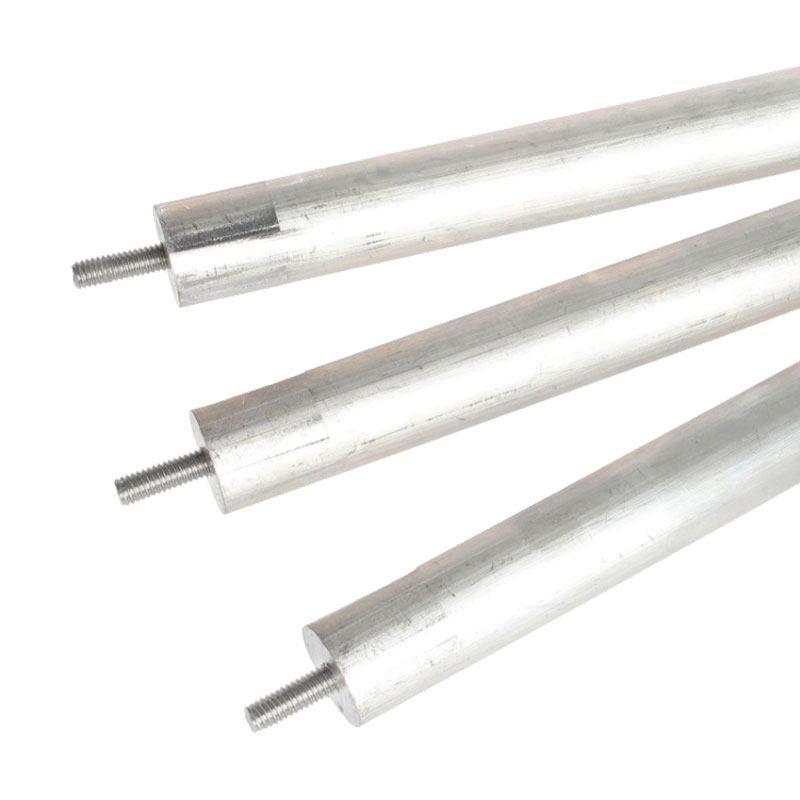
How does a Magnesium Anode Rod prevent water heater corrosion?
The main function of a Magnesium Anode Rod is to prevent corrosion in water heaters or other metal equipment. Its working principle is based on electrochemical principles, protecting the metal casing of the water heater (usually steel or iron) by sacrificing itself (sacrificial anode).
Electrochemical Corrosion Principle
When water in the water heater comes into contact with the metal surface, minerals and dissolved oxygen in the water begin to react with the metal, leading to corrosion of the metal surface. This corrosion primarily occurs through electrochemical reactions: the metal surface acts as the anode, and a corrosion cell that may form on the water or metal surface causes damage to the metal. The Magnesium Anode Rod effectively prevents this process through the sacrificial anode method.
The Magnesium Anode Rod protects the inner wall of the water heater by releasing electrons. When water comes into contact with the Magnesium Anode Rod, the magnesium undergoes an oxidation reaction first, converting the Magnesium Anode Rod into magnesium ions (Mg²⁺) while releasing electrons. These electrons are transferred to the metal inner wall of the water heater, counteracting the corrosion reaction of the metal in the cell, thereby slowing down the oxidation process of the metal surface and extending the service life of the water heater.
Preferential Corrosion Characteristics of Magnesium
Magnesium has a more negative corrosion potential than other commonly used metals (such as steel and iron), so magnesium corrodes preferentially in water. This means that the Magnesium Anode Rod will corrode before the metal casing of the water heater, protecting the water heater itself. Through this "sacrifice" process, the Magnesium Anode Rod effectively slows down the corrosion of the metal parts of the water heater, preventing damage to critical components such as the inner tank and pipes.
Protective Effect
Water heaters using a Magnesium Anode Rod can significantly reduce corrosion, especially in areas with hard water or water containing a high concentration of minerals. Minerals such as calcium and magnesium in the water usually accumulate on the metal surface of the water heater's inner tank, forming scale, which accelerates the corrosion process. The Magnesium Anode Rod slows down this process by providing a current, protecting the metal of the water heater's inner tank and thus extending the service life of the water heater.
How to Choose the Right Magnesium Anode Rod to Match a Specific Water Heater or Appliance?
Choosing the right magnesium anode rod is crucial for ensuring its optimal performance.
Water Heater Capacity and Type
The capacity of the water heater is one of the most important factors in choosing a magnesium anode rod. Larger capacity water heaters require longer anode rods or more magnesium anode rods to ensure adequate protection for the entire unit. Common water heater capacities include 30 liters, 50 liters, 80 liters, etc. Manufacturers usually provide corresponding magnesium anode rod specifications based on the size of the water heater.
- Small water heaters (such as 30L and 50L water heaters) generally use shorter anode rods, usually requiring only one anode rod.
- Large capacity water heaters (such as 100L and above) may require two or more anode rods, or even longer anode rods.
Water Quality and Water Temperature
Water quality has a significant impact on the choice of anode rod. The performance of magnesium anode rods varies depending on water quality. Generally, hard water (i.e., water with a high mineral content) accelerates the corrosion process, thus requiring a stronger and larger magnesium anode rod to ensure sufficient sacrificial protection.
- Hard water areas: Minerals in hard water promote corrosion, potentially requiring longer magnesium anode rods or more frequent replacement.
- Soft water areas: Soft water has fewer minerals, so the magnesium anode rod is consumed more slowly, and a smaller or shorter anode rod may be sufficient.
- High-temperature water: The higher the water temperature, the faster the corrosion rate. Households using water heaters at higher temperatures should choose larger or more efficient magnesium anode rods to better combat corrosion.
Water Heater Model and Brand
Different brands and models of water heaters may have different designs and structures. To ensure that the magnesium anode rod perfectly matches the water heater, it is necessary to select the appropriate anode rod based on the water heater's design. Many water heater manufacturers provide Magnesium Anode Rod models compatible with their products; you can refer to the manufacturer's recommended specifications when purchasing.
Anode Rod Shape and Material
Magnesium Anode Rods come in different lengths, as well as different diameters and shapes, such as round or rod-shaped. When choosing, ensure that the anode rod's shape fits the installation space and interface inside the water heater.
In some special cases, certain equipment may require a custom-made Magnesium Anode Rod. In this case, you need to contact the manufacturer or supplier to select a product that meets the equipment's needs.
What impact does the Magnesium Anode Rod have on water quality, especially in soft water areas?
The Magnesium Anode Rod effectively prevents corrosion of the metal parts of the water heater through its electrochemical action, but its impact on water quality also needs attention, especially in soft water areas. In soft water areas, due to the lower mineral content in the water, the use of a Magnesium Anode Rod may have different effects on water quality, especially with long-term use.
Basic Impact of Magnesium Anode Rod on Water Quality
- Release of Magnesium Ions: When the Magnesium Anode Rod operates in water, it releases magnesium ions (Mg²⁺) through electrochemical reactions. These magnesium ions undergo a series of reactions in the water and interact with minerals such as calcium and magnesium in the water. Magnesium ions themselves are harmless to human health, and a moderate amount of magnesium ions can soften the water to a certain extent, reducing water hardness. Therefore, the use of a Magnesium Anode Rod in soft water areas may affect the mineral balance of the water and help reduce scale deposition.
- Water Softening Effect: Soft water areas already have low mineral content, and the magnesium ions released by the Magnesium Anode Rod can further help regulate water hardness, but this effect is weak. Soft water itself already contains very few calcium and magnesium ions, so the release from the Magnesium Anode Rod will not significantly change the water hardness. Nevertheless, long-term use of the Magnesium Anode Rod may lead to slight changes in water quality, especially if the anode rod in the water heater has not been replaced for a long time.
- Subtle Effects of Water Quality Changes: In some extreme cases, excessive consumption of the Magnesium Anode Rod may lead to excessively high magnesium ion concentrations, although this is relatively rare. High magnesium ion concentrations in the water may slightly affect the taste of the water, especially in soft water areas where the mineral content of the water is already low; the release of magnesium ions may slightly alter the taste of the water.
Danyang Feipeng Electrical Appliance Co., Ltd.'s Technological Advantages and Magnesium Anode Rod Optimization
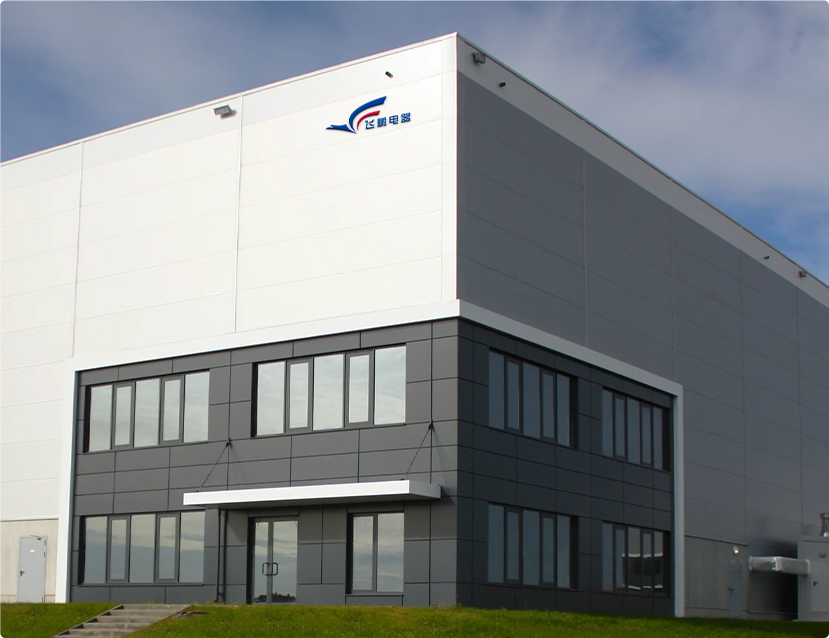
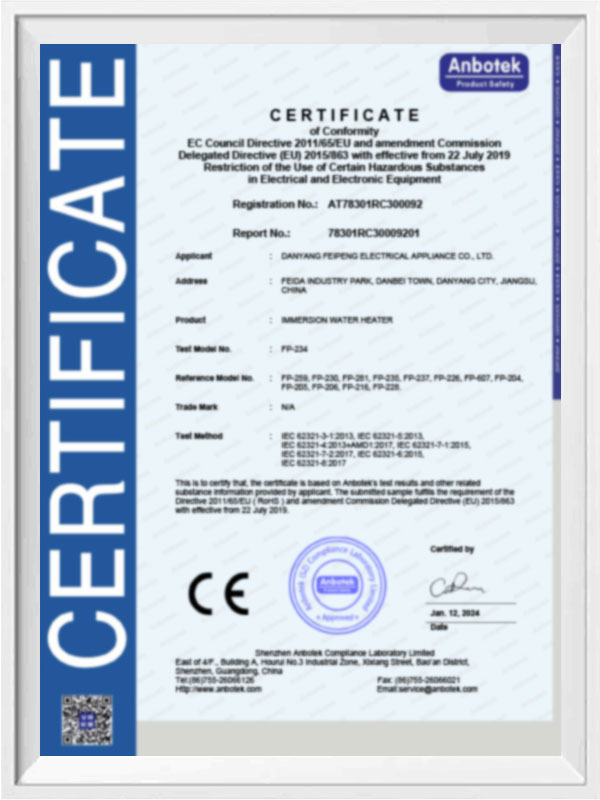
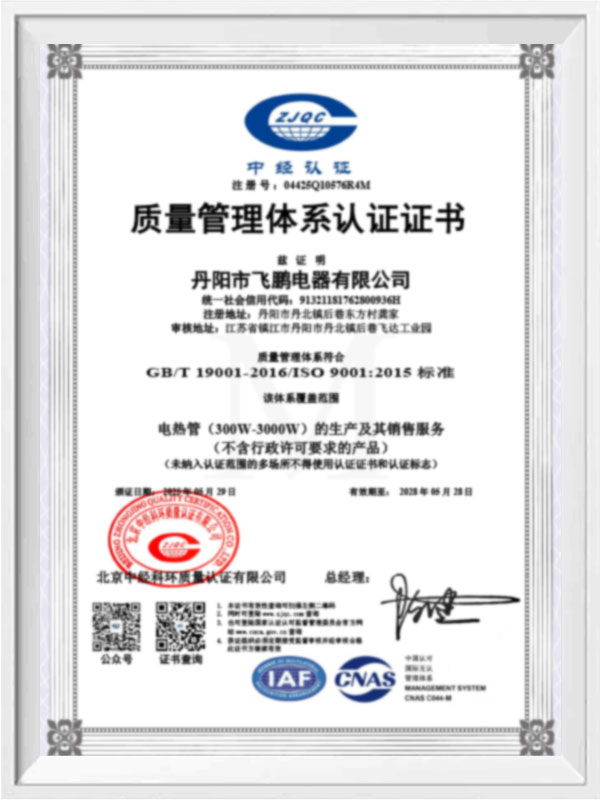
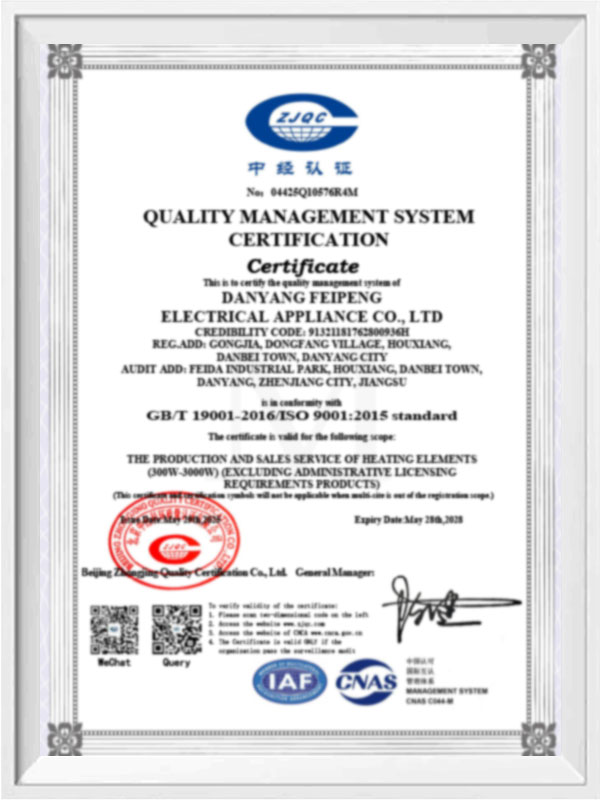
Danyang Feipeng Electrical Appliance Co., Ltd. has over 30 years of experience in the research, development, and manufacturing of heating elements and related products, and is committed to providing efficient and environmentally friendly solutions. In the application of Magnesium Anode Rods, Danyang Feipeng Electrical Appliance Co., Ltd., through continuous technological innovation, ensures that its products not only possess excellent corrosion resistance but also maintain high-efficiency protection under different water quality conditions.
- High-Efficiency Magnesium Anode Rod Design: The Magnesium Anode Rods produced by Danyang Feipeng Electrical Appliance Co., Ltd. are precisely designed to ensure effective operation in different water qualities, especially in soft water areas. By optimizing the release rate and stability of magnesium, Danyang Feipeng Electrical Appliance Co., Ltd.'s Magnesium Anode Rods maintain a low release of magnesium ions, preventing excessive water softening or changes in taste.
- Precise Control and Monitoring: Danyang Feipeng Electrical Appliance Co., Ltd.'s Magnesium Anode Rods utilize intelligent monitoring and control technology, ensuring optimal performance in different usage environments through continuous laboratory testing and data monitoring. This technological advantage not only extends the product's lifespan but also reduces the possibility of water quality changes. For users in soft water areas, Danyang Feipeng Electrical Appliance Co., Ltd.'s product design takes into account the specific characteristics of the water quality, effectively extending the anode rod's lifespan and preventing water quality issues caused by excessive magnesium ion release.
- Environmental Protection and Sustainability: Danyang Feipeng Electrical Appliance Co., Ltd. is committed to developing environmentally friendly and sustainable products. The magnesium ions released by the Magnesium Anode Rod during long-term use are natural and harmless, complying with international environmental standards. Especially in soft water areas, Danyang Feipeng Electrical Appliance Co., Ltd.'s product design ensures that the Magnesium Anode Rod can still provide effective corrosion protection without affecting water quality. By using environmentally friendly materials and innovative technologies, Danyang Feipeng Electrical Appliance Co., Ltd.'s products not only meet users' high-efficiency needs but also effectively reduce their environmental impact.
Special Usage Recommendations for Soft Water Areas
In soft water areas, the use of Magnesium Anode Rods requires appropriate adjustments based on the characteristics of the water quality.
- Regularly check the wear of the Magnesium Anode Rod: Due to the lower mineral content in soft water, the consumption rate of the Magnesium Anode Rod is slower, so its replacement cycle may be longer. However, regularly checking the wear and tear of the anode rod remains very important. If the anode rod is excessively worn, replace it as soon as possible to ensure the corrosion protection of the water heater.
- Choose the appropriate specifications based on water quality: For users in soft water areas, Danyang Feipeng Electrical Appliance Co., Ltd. offers a variety of magnesium anode rod specifications and models. Users can choose the appropriate anode rod based on the size of the water heater and water quality conditions. An oversized anode rod may lead to excessive release of magnesium ions, while an undersized anode rod may not provide sufficient protection. Danyang Feipeng Electrical Appliance Co., Ltd.'s technical team can provide personalized advice to customers to ensure the best product match.
- Adjust usage frequency as needed: When using a water heater in soft water areas, it is recommended to avoid continuous heating for extended periods, as the reaction of the magnesium anode rod may slow down in a soft water environment. Adjusting the usage frequency and temperature as needed can effectively extend the service life of the anode rod and avoid unnecessary waste.
