


 English
 русский
 Español
 عربى
عربى
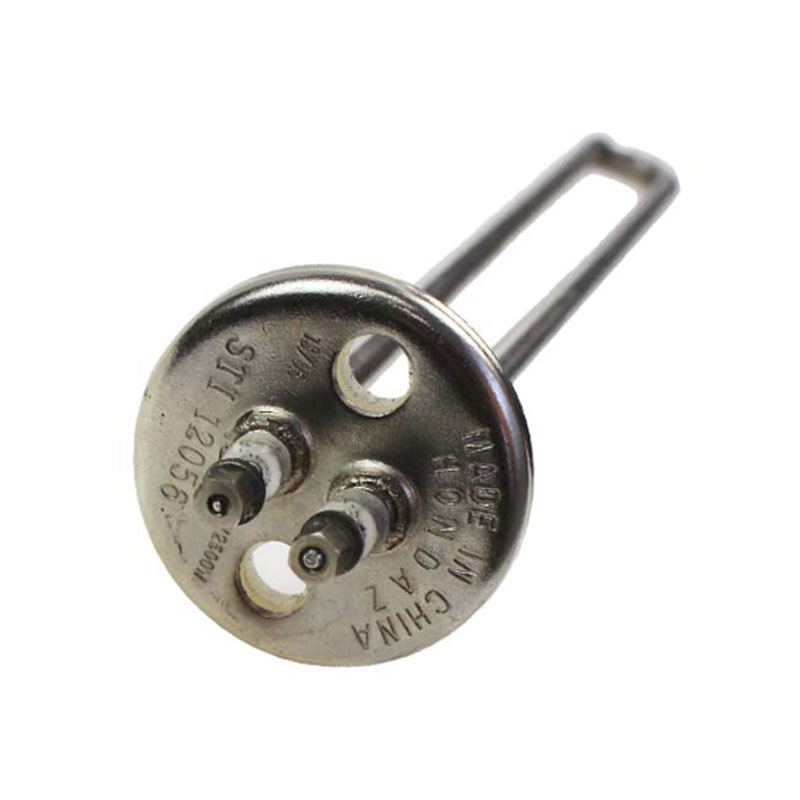
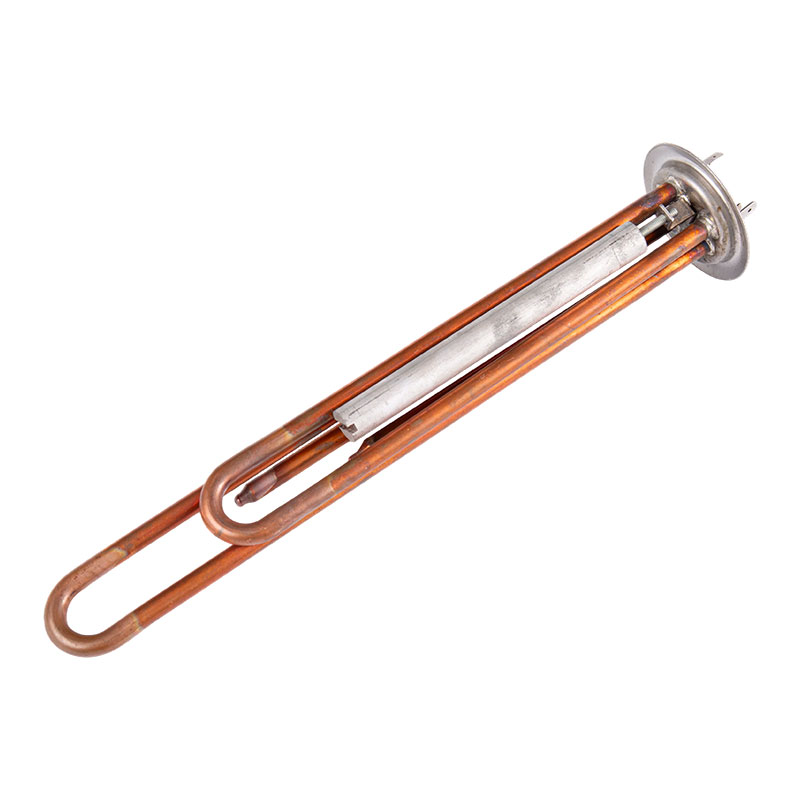
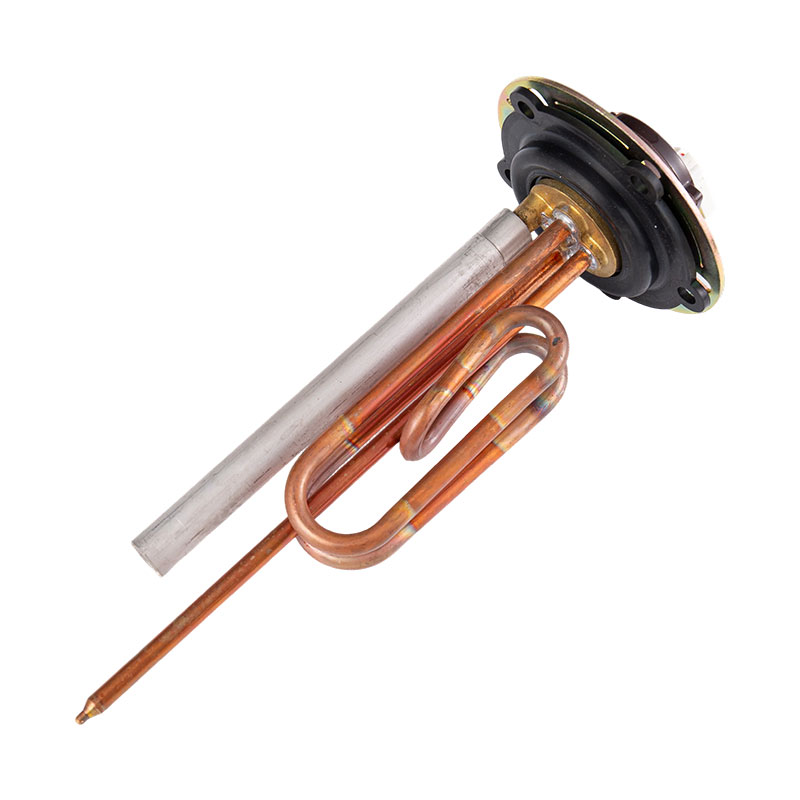
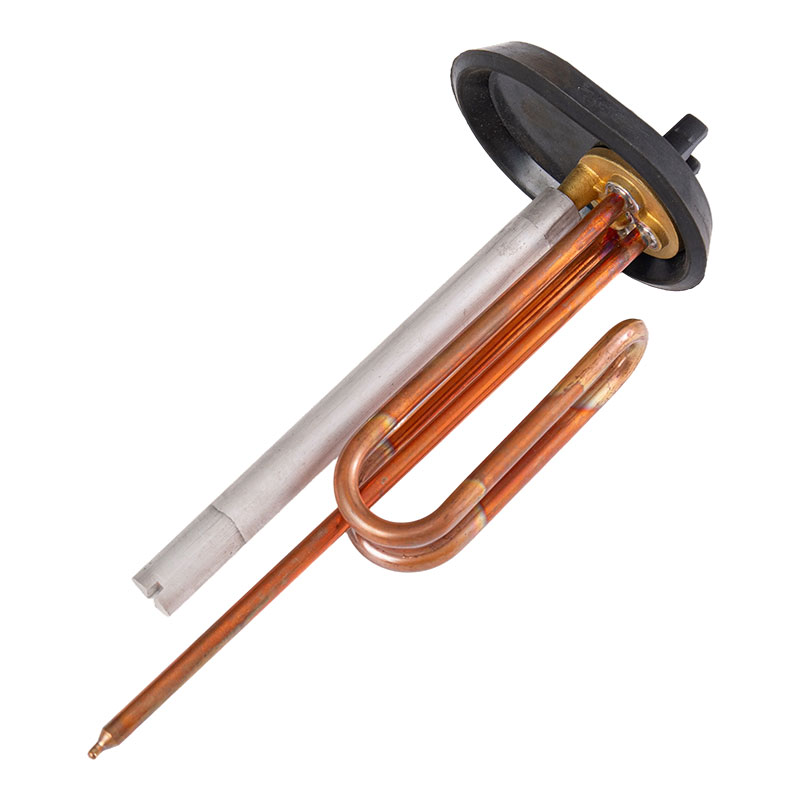
How Does the Interaction Between Material Science and Water Chemistry Influence the Lifespan of a Water Heater Heating Element?
The longevity of a Water Heater Heating Element is rarely determined by electrical failure alone; rather, it is a complex battle against the chemical environment in which it operates. In a water-filled environment, the element is subject to constant thermal cycling, high pressure, and the aggressive nature of mineral content.
The Critical Role of Sheath Material Selection
Selecting the appropriate sheath material for a Water Heater Heating Element is widely regarded as the most vital and technically demanding step in the entire engineering and design process. This outer layer serves as the primary defensive barrier between the high-temperature internal resistance coils and the surrounding liquid environment. To achieve optimal performance, the selected material must possess a dual-attribute profile: it must act as a superior thermal conductor to minimize energy loss, while simultaneously remaining chemically inert and resilient against the specific, often aggressive, water chemistry profile of a given geographic region. Failure to align the metallurgy of the Water Heater Heating Element with local water conditions can lead to rapid oxidation, thermal stress fractures, or catastrophic dielectric breakdown.
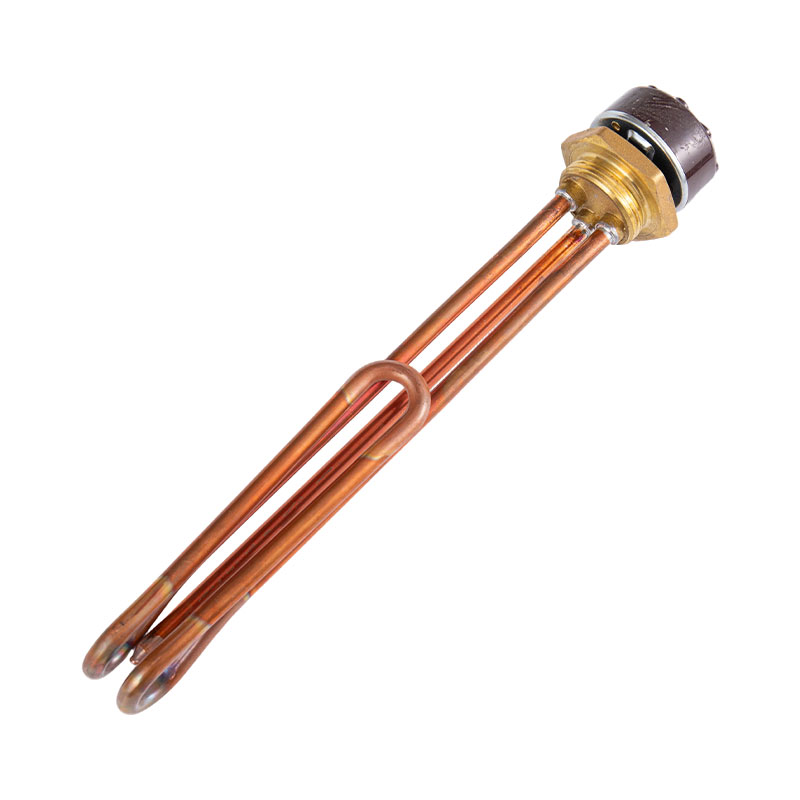
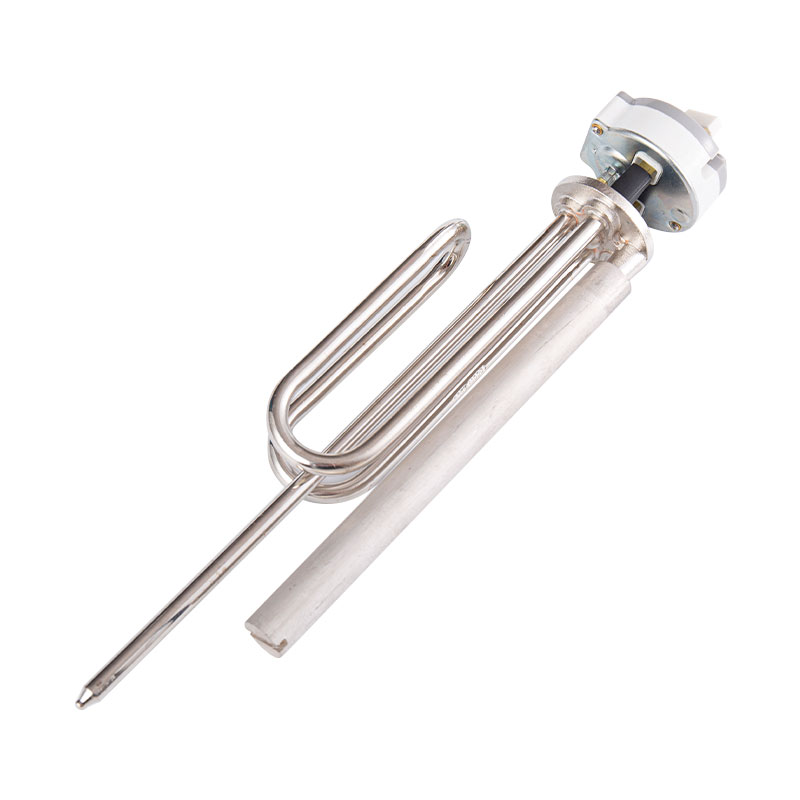
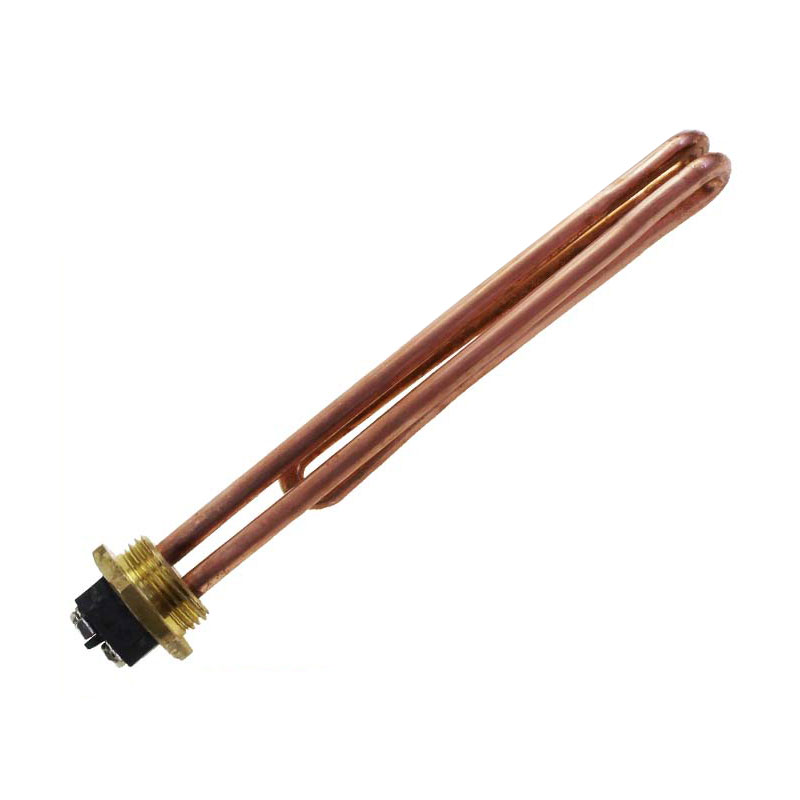
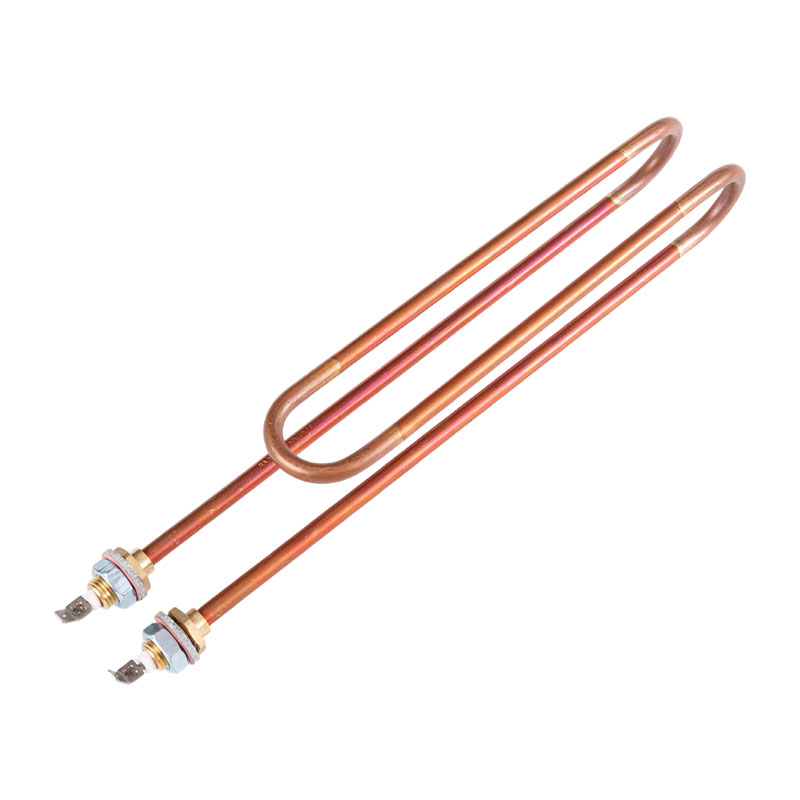
Copper Sheaths for Domestic Efficiency: Copper is renowned for its exceptional thermal conductivity, surpassing almost all common industrial metals. A Water Heater Heating Element utilizing a copper sheath can transfer heat to the surrounding water almost instantaneously, reducing the thermal lag between the internal resistance wire and the medium. This makes it a favorite for domestic residential tanks where rapid recovery times are desired. However, copper is sensitive to high-acidity water and can suffer from galvanic corrosion if not properly managed with sacrificial anodes.
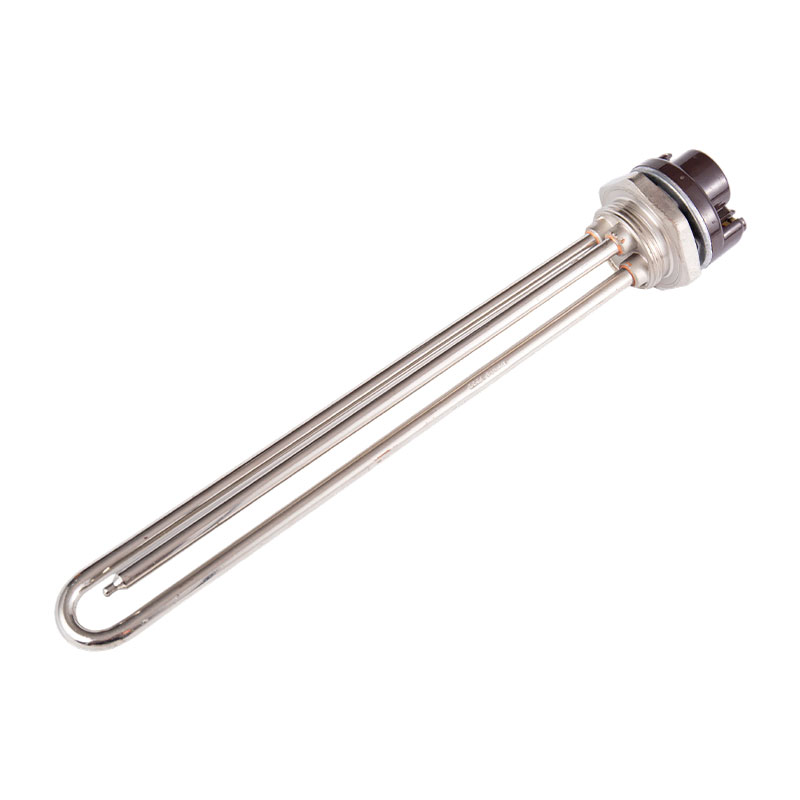
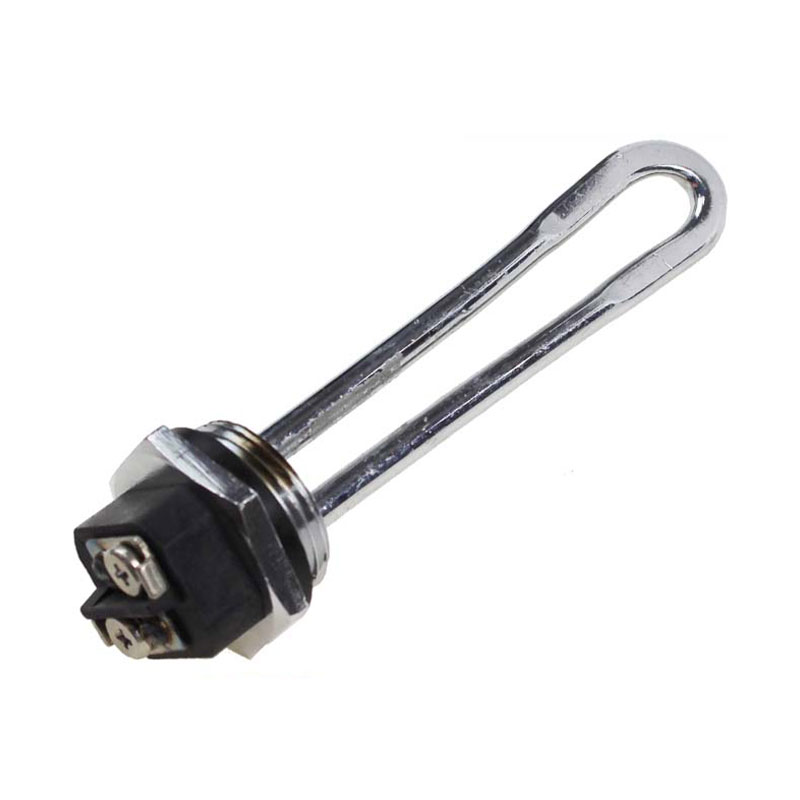
Stainless Steel (304/316L/Incoloy) for Harsh Environments: For commercial applications or regions with highly mineralized "hard" water, a Water Heater Heating Element with a stainless steel or Incoloy sheath is mandatory. These alloys provide a robust barrier against chloride-induced stress corrosion cracking and pitting. The addition of high concentrations of nickel and chromium in high-grade stainless steel ensures that the Water Heater Heating Element maintains its structural integrity even when submerged in chemically aggressive water for years, effectively preventing the "pitting" that often leads to internal water ingress and component failure.
Combating Calcification and Mineral Accretion
Undoubtedly, one of the most frequently discussed and technically challenging topics within the plumbing and heating industry is the phenomenon of "scale buildup." When a Water Heater Heating Element initiates its heating cycle, the intense surface temperature triggers a localized chemical reaction that causes dissolved calcium and magnesium ions to rapidly precipitate out of the water. These minerals effectively solidify and bond to the element's sheath, forming a hard, crust-like mineral coating known as lime scale.
Thermal Insulation through Scaling: As scale thickens, it acts as a thermal insulator. The heat generated by the internal resistance wire of the Water Heater Heating Element cannot escape efficiently into the water. This causes the internal temperature of the wire to skyrocket beyond its rated limit, leading to molecular degradation of the wire and eventual premature burnout. This cycle of overheating and poor heat dissipation is the leading cause of field failures in residential water heaters.
Low Watt Density Solutions: To combat this, advanced Water Heater Heating Element designs focus on "Low Watt Density." This involves increasing the physical surface area of the element—often through specialized folding, elongated profiles, or "folded back" geometries—to distribute the heat over a larger area. By lowering the energy emitted per square inch, the surface temperature in contact with the water is significantly reduced. This slowing of the rate of mineral accretion can extend the service life of the Water Heater Heating Element by up to 50% in hard-water regions, while simultaneously reducing the "hissing" noise associated with localized boiling on the element surface.
Sacrificial Anodes and Galvanic Protection Systems
A high-performance Water Heater Heating Element does not work in isolation; it is part of a systemic approach to corrosion management. The relationship between the element and the tank's sacrificial anode is critical. In a professional installation, the Water Heater Heating Element must be electrically compatible with the cathodic protection system to ensure that the tank does not corrode at the flange connection points. High-end elements are often designed with specific grounding paths to work in harmony with magnesium or aluminum anodes, creating a unified defense against the electrochemical processes that seek to destroy the heating system from the inside out.
Why Is Precise Wattage and Voltage Calibration Essential for Energy-Efficient Heat Transfer?
In the modern landscape of "green" building standards and high energy costs, the efficiency of a Water Heater Heating Element is measured by its ability to deliver the maximum amount of BTUs with the minimum amount of kilowatt-hours. This efficiency is achieved through rigorous electrical calibration and custom engineering.
Custom Development and Production: Beyond Standard Specs
In today's highly competitive HVAC and plumbing market, the industry has decisively moved away from the use of generic, "off-the-shelf" components. Modern engineering philosophy recognizes that because hot water usage patterns vary wildly—ranging from the sporadic, low-volume needs of a single studio apartment to the continuous, high-intensity demands of a multi-story luxury hotel—the Water Heater Heating Element must be specifically tailored and precision-engineered to match the unique thermal dynamics and fluid volume of the specific tank it serves. Using a standardized element in a specialized application often results in thermal inefficiency, localized boiling, or uneven heat distribution.
Wattage Precision and Cycling Optimization: A Water Heater Heating Element that is overpowered for its tank size leads to excessive cycling (rapidly turning on and off), which stresses both the thermostat and the element's internal wire. Conversely, an underpowered element results in inadequate hot water delivery and poor customer satisfaction. Through custom development and production, we calculate the exact volume-to-power ratio to ensure peak energy efficiency, maintaining a steady thermal gradient that maximizes the life of the entire appliance.
Global Voltage Adaptation (110V to 480V): Global markets present a challenge of varying electrical grids and phase configurations. A Water Heater Heating Element designed for a 240V European grid will perform poorly on a 208V North American commercial line, delivering significantly less heat than intended. We engineer internal resistance coils with specific Ohm ratings and precision-wound pitches to ensure the Water Heater Heating Element delivers its rated output regardless of the local voltage infrastructure, providing a consistent user experience across different continents.
Thermal Response and Recovery Rate Analysis
The "Recovery Rate" is the speed at which a tank returns to its set temperature after a large draw of water. This is a critical metric for commercial hospitality and industrial laundry applications.
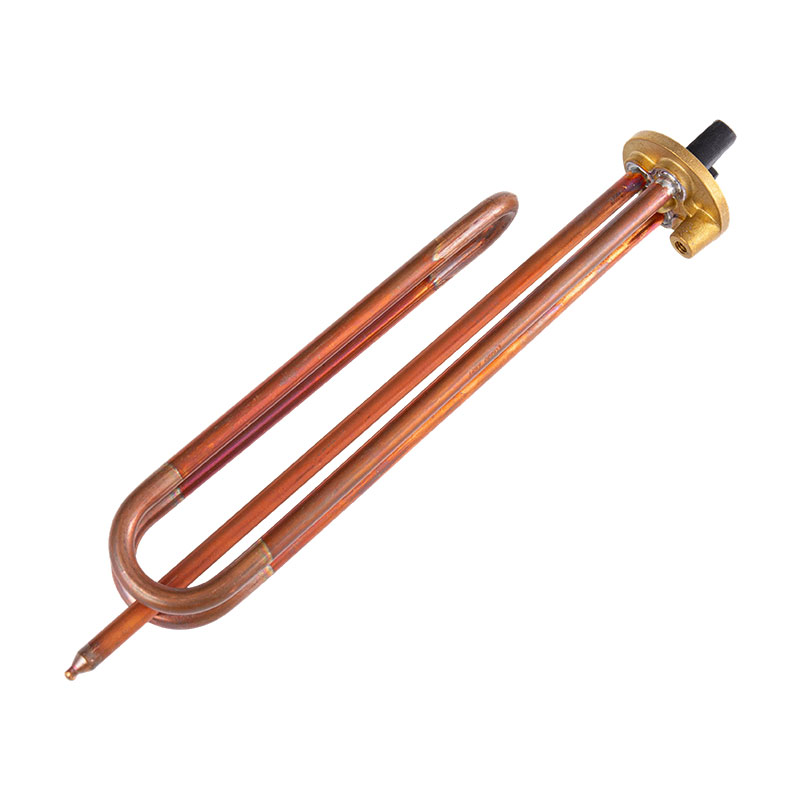
Enhanced Surface Area Bending and Flow Dynamics: By utilizing CNC-controlled bending machines, we can create complex "U", "M", or spiral-shaped profiles for a Water Heater Heating Element. This increases the contact area with the water, allowing for a higher recovery rate without necessarily increasing the peak power draw. Furthermore, the physical orientation of the element within the tank can be optimized through custom development and production to promote natural convection currents, ensuring that the water heats uniformly from bottom to top, eliminating "cold spots" that can harbor bacteria like Legionella.
Structural Integrity and Pressure Resistance
Beyond electrical performance, a Water Heater Heating Element must be a pressure-vessel-grade component. In commercial systems, elements are subject to high PSI levels and significant thermal expansion. A professional-grade element features reinforced flanges and high-quality gaskets that can withstand the constant "breathing" of the tank as it heats and cools. This mechanical resilience ensures that the Water Heater Heating Element remains leak-proof throughout its lifecycle, protecting the electrical housing and the surrounding facility from water damage.
How Does Smart Manufacturing and 30 Years of Expertise Redefine the Reliability Benchmarks for Modern Heating Elements?
Reliability in the heating industry is not a static goal; it is a process of continuous improvement. The quality of a Water Heater Heating Element is a direct reflection of the factory's technological depth and its commitment to quality control.
The Heritage of Danyang Feipeng Electrical Appliance Co., Ltd.
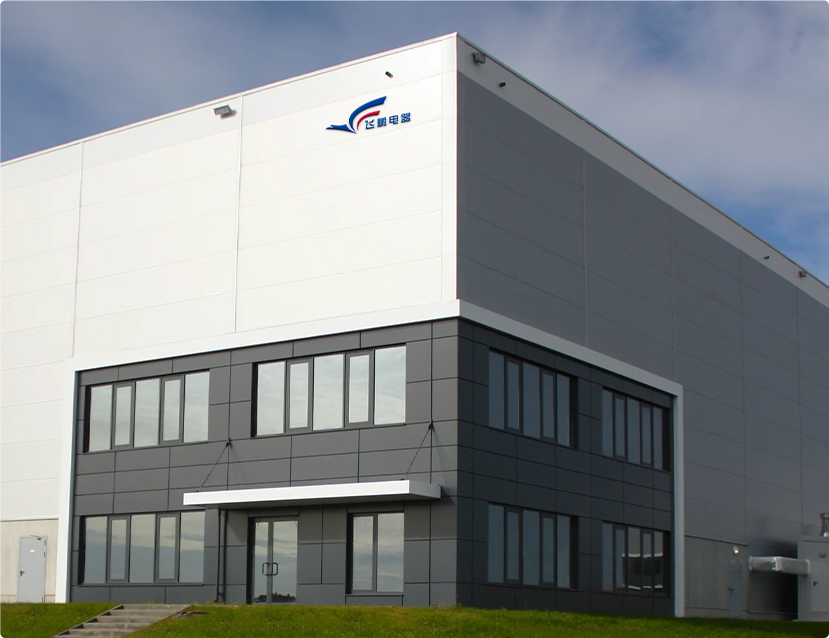
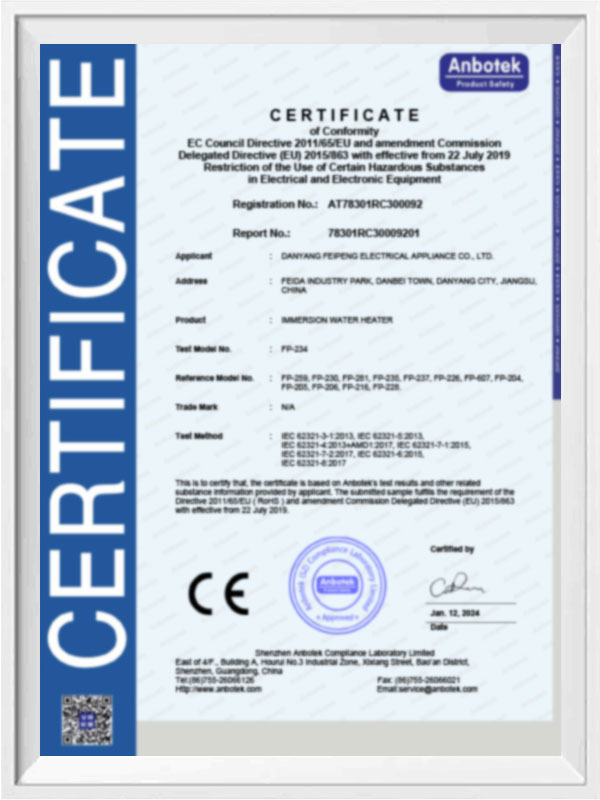
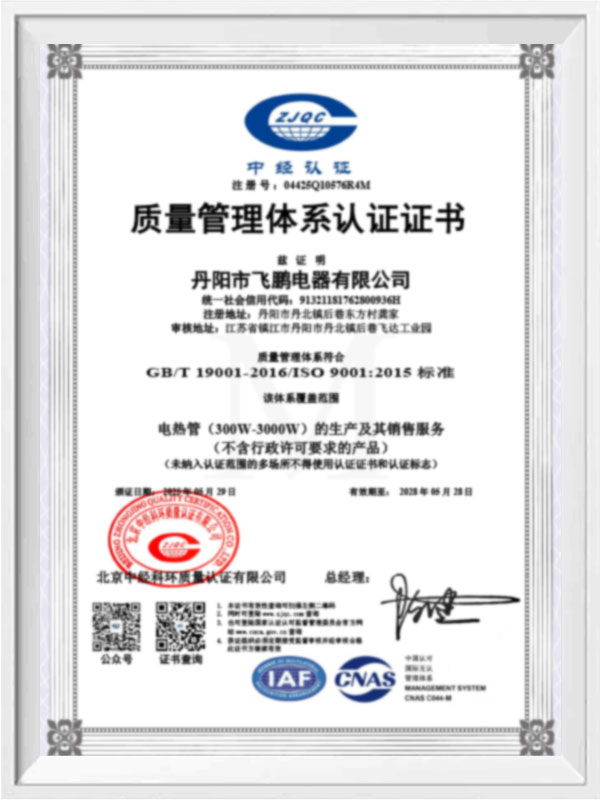
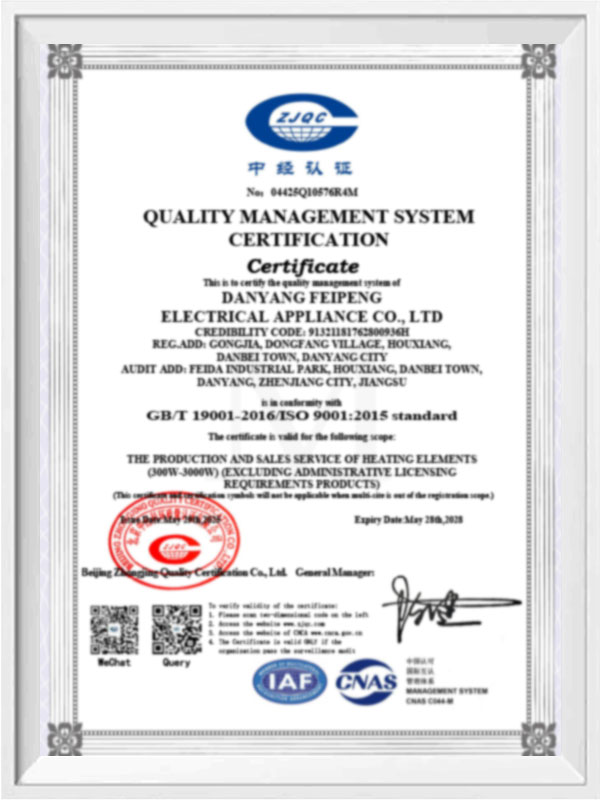
Established in 1990, Danyang Feipeng Electrical Appliance Co., Ltd. has spent over three decades perfecting the science of thermal components. As a prominent China Water Heater Heating Element Suppliers and a specialized Water Heater Heating Element Factory, the company has evolved into a national high-tech enterprise.
Operating from a modern 6,000-square-meter facility, Feipeng integrates R&D, design, and manufacturing into a seamless ecosystem. This 30-year legacy is not just about time; it is about the accumulation of data from millions of units deployed in every corner of the globe. This data allows for the continuous refinement of the Water Heater Heating Element, ensuring that each new generation is more resilient than the last. The company's commitment to the "Made in China 2025" initiative means that their production lines are increasingly automated, reducing human error and ensuring that every single unit meets the exact same high standards.
Advanced Manufacturing and Laboratory Integration
To achieve world-class reliability, a professional Water Heater Heating Element Factory must operate with the meticulous precision and environmental control typically found in a high-tech laboratory. At Feipeng, the mass manufacturing of a Water Heater Heating Element is not merely an industrial task, but a scientific process that involves several layers of sophisticated technology and digital monitoring. This approach ensures that every component is produced under sanitized, controlled conditions that eliminate variances in material density and electrical resistance.
Mature Integrated Assembly Lines: The filling process is critical. From the automated filling of high-purity Magnesium Oxide (MgO) powder to the high-pressure sealing of the terminals, every step is monitored. MgO must be compressed to a specific density to provide both electrical insulation and thermal conductivity. Feipeng uses specialized vibration and tamping machinery to ensure that the internal resistance wire of the Water Heater Heating Element remains perfectly centered, preventing localized hot spots that lead to catastrophic failure.
Comprehensive Laboratory Testing: Every new design undergoes a battery of tests that simulate the worst-case scenarios. This includes "Dry Burn" testing (running the element without water), high-voltage insulation tests, and extreme pressure-resistance verification. These tests ensure that the Water Heater Heating Element can withstand the unexpected surges, dry-fire events, and pressure spikes common in municipal water systems.
The selection of a Water Heater Heating Element is a decision that impacts energy bills, maintenance costs, and user safety. As we have explored, the journey toward a reliable hot water system depends on the synergy of material science, custom electrical engineering, and manufacturing excellence.
Whether you are looking for a high-efficiency Water Heater Heating Element for a new product line or a durable replacement for existing infrastructure, the solution lies in a partner who offers custom development and production backed by a proven track record. By choosing a manufacturer with the stature of Danyang Feipeng Electrical Appliance Co., Ltd., you are not just purchasing a component; you are investing in 30 years of industrial innovation and a global commitment to quality.
