


 English
 русский
 Español
 عربى
عربى
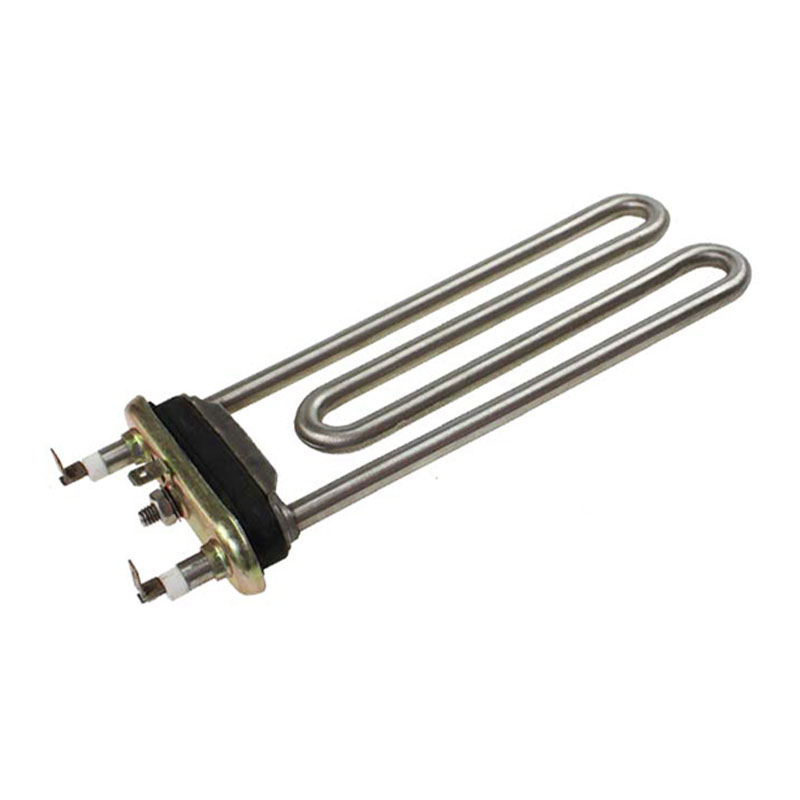
The Critical Role of a Washing Machine Heating Element in Modern Appliances
The Washing Machine Heating Element is the thermal core of any modern laundry system, responsible for the precise conversion of electrical energy into thermal energy. While many associate laundry with mechanical agitation, the chemical efficiency of detergents is fundamentally linked to water temperature. Since 1990, Danyang Feipeng Electrical Appliance Co., Ltd. has been at the forefront of this technology, ensuring that global appliance manufacturers have access to reliable heating solutions that meet the rigorous demands of daily use.
Thermodynamics in the Wash Cycle
The primary function of the Washing Machine Heating Element is to raise the water temperature to specific set points, typically ranging from 30°C to 90°C. Heat acts as a catalyst in several ways:
Enzymatic Activation: Most high-efficiency detergents contain enzymes that require specific thermal ranges to effectively break down protein-based stains and lipids.
Sanitization: High-temperature cycles are essential for eliminating bacteria, allergens, and dust mites, a feature that has become a standard consumer expectation in smart manufacturing.
Solubility: Warm water ensures that powdered detergents dissolve completely, preventing residue buildup on fabrics and within the internal components of the machine.
Integration in Front-Load vs. Top-Load Systems
The physical configuration of a Washing Machine Heating Element varies depending on the appliance architecture. In front-loading machines, the element is typically submerged at the bottom of the outer drum, where it is constantly exposed to the wash liquor. In certain top-loading designs, the heating component may be integrated into a specialized chamber or circulation path.
As a national high-tech enterprise, Danyang Feipeng Electrical Appliance Co., Ltd. utilizes its 30+ years of R&D experience to design elements that optimize flow dynamics within these different drum environments, ensuring uniform heat distribution and preventing localized overheating.
Anatomy and Technical Specifications of a Washing Machine Heating Element
Understanding the internal structure of a Washing Machine Heating Element is vital for B2B procurement and engineering quality control. A high-quality element is not merely a metal tube; it is a precision-engineered component designed to survive thousands of thermal cycles in a corrosive environment.
Material Science and Construction
The durability of a Washing Machine Heating Element depends heavily on its skin or sheath material. Danyang Feipeng Electrical Appliance Co., Ltd. maintains a mature laboratory to test these materials against various water hardness levels:
| Component | Common Materials | Function |
| Outer Sheath | Stainless Steel (AISI 304/316L) / Incoloy | Corrosion resistance and structural integrity. |
| Heating Wire | Nickel-Chromium (NiCr 80/20) | High-resistance alloy that generates heat. |
| Insulation | High-Purity Magnesium Oxide (MgO) | Provides electrical insulation while maximizing heat transfer. |
| Sealing | Silicone or Epoxy Resin | Prevents moisture from entering the tube and causing short circuits. |
Technical Parameter Comparison
When selecting a Washing Machine Heating Element, engineers must balance wattage with the volume of the wash drum. Below is a comparison of standard specifications typically produced in modern integrated assembly lines:
| Feature | Standard Specification | High-Performance Specification |
| Wattage Range | 1800W - 2000W | 2050W - 3000W |
| Voltage Compatibility | 110V / 220V - 240V | Multi-tap / Global Voltage |
| Surface Loading | 8 - 12 W/cm2 | 13 - 15 W/cm2 (Rapid Heating) |
| Temperature Control | External Thermostat | Integrated NTC Thermistor |
| Tube Diameter | 6.5mm / 8.0mm | Specialized Oval or Flattened Profiles |
Integrated NTC Sensors
Modern smart manufacturing has led to the integration of Negative Temperature Coefficient (NTC) sensors directly into the flange of the Washing Machine Heating Element. This allows the machine's control board to receive real-time data, preventing the water from exceeding the desired temperature and protecting delicate fabrics.
With a production area of over 6,000 square meters, Danyang Feipeng Electrical Appliance Co., Ltd. ensures that every element, whether it features a traditional thermostat bracket or a modern NTC housing, undergoes strict quality checks to guarantee global compatibility and safety.
How to Diagnose a Faulty Washing Machine Heating Element
Even the most robust appliances can encounter issues over time, and identifying a failure in the Washing Machine Heating Element is a critical skill for maintenance professionals and technicians. At Danyang Feipeng Electrical Appliance Co., Ltd., our laboratory testing suggests that many electronic errors are actually rooted in the physical degradation of the heating component.
Recognizing the Symptoms of Failure
A malfunctioning Washing Machine Heating Element usually manifests through several distinct operational red flags:
Cold Glass/Cold Water: During a high-temperature cycle (e.g., 60°C), the door glass remains cold to the touch.
Extended Cycle Times: The machine stays in the heating phase indefinitely because the water never reaches the target temperature required to trigger the next step.
Circuit Tripping (RCD/GFCI): If the internal insulation of the element fails, current leaks to the outer sheath, instantly tripping the home or building’s safety breakers.
Error Codes: Most modern smart machines display specific alphanumeric codes indicating a heating timeout or open circuit.
Technical Testing Procedures
To accurately diagnose a Washing Machine Heating Element, technicians should use a digital multimeter to verify its electrical integrity. Below are the standard diagnostic parameters used in our manufacturing facility:
| Test Type | Measurement | Expected Result | Indication of Failure |
| Continuity | Ohms | 20 to 50 Ohms | 0 Ohms (Short) or Infinite (Open) |
| Insulation Test | Megaohms | Greater than 100 Megaohms | Less than 1.0 Megaohm (Leakage) |
| Voltage Supply | Volts | Rated voltage (e.g., 230V) | 0V (Board or wiring fault) |
Common Causes of Washing Machine Heating Element Failure
Understanding why a Washing Machine Heating Element fails is essential for improving appliance longevity. Danyang Feipeng Electrical Appliance Co., Ltd. has analyzed decades of field data to identify the primary catalysts of thermal degradation.
Limescale Accumulation
In hard water regions, calcium and magnesium ions precipitate out of the water and bond to the surface of the Washing Machine Heating Element.
Thermal Insulating Layer: Limescale acts as an insulator, forcing the internal heating wire to run at much higher temperatures to push heat through the crust.
Overheating: This internal heat buildup eventually exceeds the melting point of the resistance wire or cracks the magnesium oxide insulation.
Dry Firing and Water Level Issues
Dry firing occurs when the Washing Machine Heating Element is energized without being fully submerged in water. This is usually caused by a faulty pressure switch or water inlet valve. Without the water to dissipate the heat, the surface temperature of the element can skyrocket to over 500°C in seconds, causing catastrophic structural failure.
Chemical Corrosion and Pitting
The variety of detergents and additives used in global markets can be aggressive. As a professional manufacturer since 1990, we have observed that low-quality stainless steel can suffer from pitting corrosion.
| Cause of Failure | Impact on Element | Prevention Method |
| Limescale | Cracking of the outer sheath | Regular descaling or water softening |
| Galvanic Corrosion | Thinning of the tube wall | Use of high-grade Incoloy or 316L |
| Power Surges | Immediate burnout of NiCr wire | Stable power supply and surge protection |
Mechanical Vibration and Fatigue
The high-speed spin cycles of modern machines create significant G-forces. If the Washing Machine Heating Element is not secured with high-quality brackets or if the internal MgO powder is not compacted to the correct density during manufacturing, the internal coils can shift and short-circuit. Danyang Feipeng Electrical Appliance Co., Ltd. utilizes automated integrated assembly lines to ensure that every element is structurally sound and vibration-resistant.
Step-by-Step Guide: Replacing a Washing Machine Heating Element
Replacing a Washing Machine Heating Element is a precise technical task that requires attention to detail to ensure the appliance's safety and water-tight integrity. Leveraging our 30+ years of manufacturing expertise, Danyang Feipeng Electrical Appliance Co., Ltd. recommends the following professional procedure for service technicians and trained personnel.
Preparation and Safety
Before any intervention, ensure the power cord is fully disconnected from the electrical outlet. As a global supplier of power cords and heating components, we emphasize that electrical safety is paramount. Ensure the water supply is turned off and any residual water in the drum is drained via the emergency filter.
The Replacement Process
Access the Element: Depending on the machine design, remove the rear or front panel to locate the Washing Machine Heating Element terminals at the base of the outer drum.
Document Connections: Take a photo of the wiring. Typically, there are two power wires (live and neutral), a ground wire (yellow/green), and a central NTC sensor plug.
Loosen the Fixing Nut: Use a socket wrench to loosen the central nut on the element flange. Do not remove the nut entirely; push it inward to release the internal pressure plate that compresses the rubber gasket.
Extraction: Firmly pull the old Washing Machine Heating Element out. If limescale buildup is heavy, a gentle prying motion may be necessary.
Clean the Housing: Use a cloth to wipe the edges of the drum opening to ensure the new gasket forms a perfect seal.
Installation: Slide the new element from Danyang Feipeng Electrical Appliance Co., Ltd. into the bracket inside the drum. Tighten the central nut until the rubber gasket expands snugly.
Reconnect and Test: Restore the wiring and run a short cycle to check for leaks and confirm the heating function.
Maintenance Tips to Extend Service Life
Preventative maintenance is the key to maximizing the ROI of industrial and domestic appliances. Danyang Feipeng Electrical Appliance Co., Ltd. produces heating elements designed for longevity, but environmental factors play a significant role in their actual lifespan.
Professional Maintenance Strategies
Temperature Optimization: Avoid running every cycle at the maximum temperature. High-heat cycles (90°C) put the most thermal stress on the Washing Machine Heating Element.
Descaling Protocols: In hard water areas, use a professional descaling agent every 3-6 months to prevent the insulation effect caused by calcium deposits.
Load Balancing: Ensuring the machine is not overloaded reduces vibration, which protects the internal MgO insulation of the heating tube from mechanical fatigue.
Environmental Impact on Performance
The efficiency of a Washing Machine Heating Element can degrade based on the quality of maintenance. Below is a comparison of performance over time:
| Condition | Heat Transfer Efficiency | Estimated Lifespan | Energy Consumption |
| Clean/Maintained | ~98% | 8 - 12 Years | Standard |
| Light Limescale | ~85% | 5 - 7 Years | +10% Increase |
| Heavy Limescale | Less than 60% | 1 - 3 Years | +30% Increase |
FAQ: Professional Insights & Troubleshooting
As a leader in the globalization of smart manufacturing for heating components, Danyang Feipeng Electrical Appliance Co., Ltd. has compiled the most frequent technical inquiries from B2B partners and end-users. This section addresses common concerns regarding the Washing Machine Heating Element through scientific data and professional experience.
Common User Concerns & Technical Answers
Q: Can a 2000W Washing Machine Heating Element be replaced with a 1950W or 2050W version?
A: Generally, yes. A variance of 5% in wattage is typically within the tolerance range of the machine's control board. However, you must ensure the voltage rating (e.g., 230V) and the physical length of the tube match exactly to avoid interference with the drum.
Q: Why does my new Washing Machine Heating Element smell slightly like burning during the first use?
A: This is often due to the curing of the protective coating or residual oils from the manufacturing process. At Danyang Feipeng Electrical Appliance Co., Ltd., we use clean-room techniques in our integrated assembly lines to minimize these residues, but a slight odor during the initial thermal cycle is normal and should dissipate quickly.
Q: How does water quality specifically affect the wattage output of the element?
A: While the wattage is fixed by the resistance of the internal wire, water quality affects the effective heat transfer. Limescale acts as a thermal barrier.
| Water Hardness Level | Thermal Transfer Loss | Surface Temp of Element |
| Soft Water | Less than 1% | 110°C - 130°C |
| Moderately Hard | 5% - 10% | 150°C - 180°C |
| Very Hard | 25% - 40% | Greater than 250°C (Risk of burnout) |
