


 English
 русский
 Español
 عربى
عربى
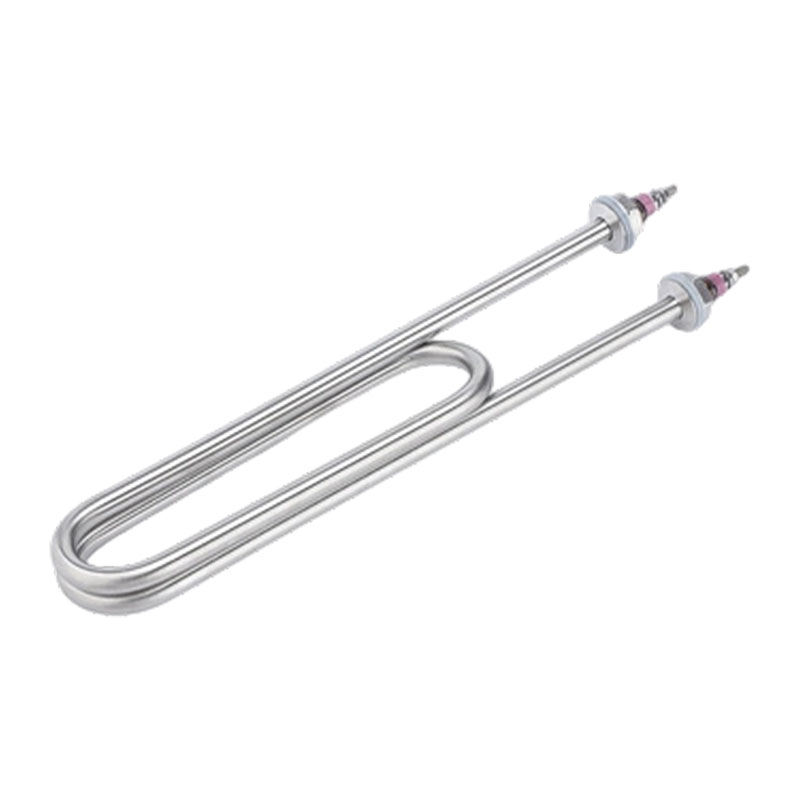
The Crucial Role and Working Principle of the Commercial Rice Steamer Heating Element
In the modern commercial catering environment, efficient kitchen operations depend on stable and reliable equipment. The Commercial Rice Steamer Heating Element serves as the heart of commercial rice steamers, steamer cabinets, and large-scale steam equipment. It directly determines the heating efficiency, food maturity, and energy consumption levels of the appliance.
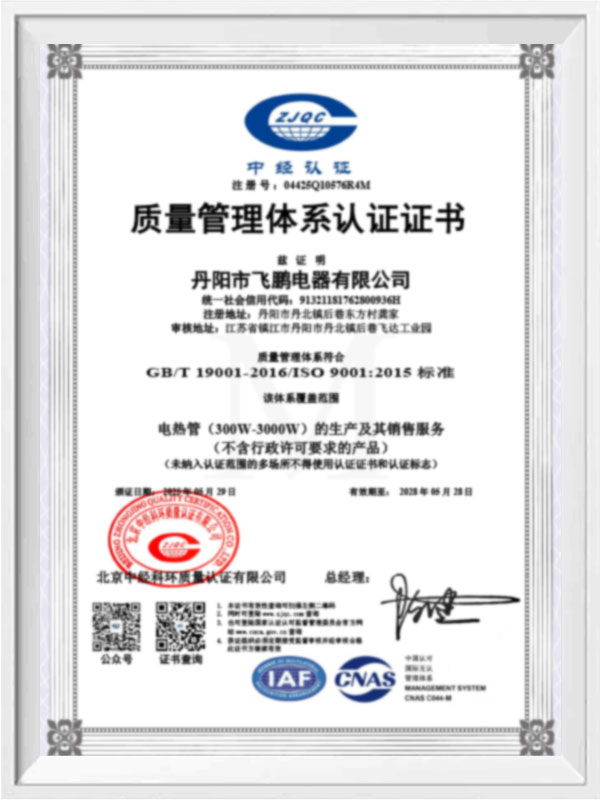
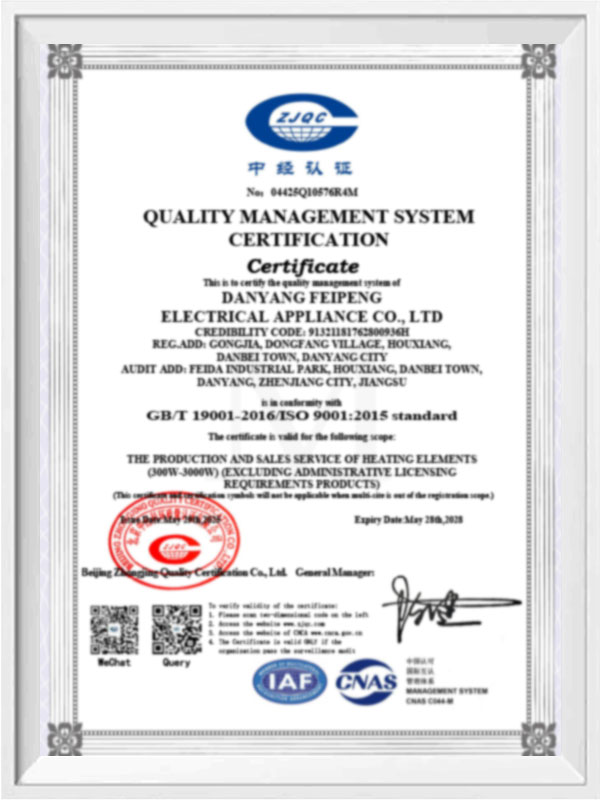
Since 1990, Danyang Feipeng Electrical Appliance Co., Ltd. has been dedicated to providing professional heating elements to customers worldwide. As a national high-tech enterprise integrating R&D, design, and production, we have accumulated over 30 years of industry experience in the manufacturing of the Commercial Rice Steamer Heating Element.
Physical Basis of Energy Conversion
The Commercial Rice Steamer Heating Element is essentially a resistance heater. When an electric current passes through the internal nickel-chromium alloy resistance wire, electrical energy is converted into thermal energy. The generated heat is rapidly conducted through an insulation layer, usually high-purity magnesium oxide powder, to the metal shell, and finally transferred to the water in the tank. This causes the water to boil quickly and produce high-temperature saturated steam. The efficiency of this heating method directly affects the turnover rate of commercial kitchens.
Industry Specifications and Core Parameter Comparison
When selecting a suitable Commercial Rice Steamer Heating Element, understanding its technical parameters is vital. Different application scenarios, such as single-door or double-door rice steamers, have distinct requirements for power and voltage.
Below is a comparison table of mainstream heating element specifications in the commercial market:
| Key Parameter | Standard Type | Enhanced Type | Heavy Duty Type |
| Rated Voltage | 220V | 380V (Star/Delta) | 380V - 480V |
| Power Range | 3kW - 4kW | 6kW - 12kW | 15kW - 24kW |
| Common Tube Diameter | 8.0mm / 10.0mm | 12.0mm / 16.0mm | 16.0mm / 20.0mm |
| Surface Load | 6 - 8 W/cm2 | 8 - 12 W/cm2 | 12 - 15 W/cm2 |
| Cold Insulation Resistance | ≥ 500 MΩ | ≥ 1000 MΩ | ≥ 2000 MΩ |
| Main Material | SUS304 | SUS316L / Incoloy 800 | Incoloy 840 / Titanium |
Material Analysis: The Best Choice for Different Environments
The service life of a Commercial Rice Steamer Heating Element largely depends on its outer shell material. Since commercial rice steamers are exposed to high temperatures, high pressure, and varying water quality for long periods, corrosion resistance is a key indicator of quality.
Danyang Feipeng Electrical Appliance Co., Ltd. operates a production base of over 6,000 square meters equipped with mature production and laboratory systems, ensuring that every heating tube leaving the factory can handle harsh working conditions.
SUS304 Stainless Steel
This is the most common material for the Commercial Rice Steamer Heating Element. It offers good processing performance and basic oxidation resistance. In areas with softened water or good water quality, SUS304 is a highly cost-effective choice.
SUS316L Stainless Steel
For coastal areas or environments with high water hardness, SUS316L incorporates molybdenum. This allows this type of Commercial Rice Steamer Heating Element to more effectively resist chloride ion corrosion, thereby extending its service life.
Incoloy Series Alloys
For top-tier performance in high-end commercial equipment, we typically recommend Incoloy 800 or 840 alloys. These materials maintain extremely high mechanical strength even under high surface loads and heavy scaling conditions, making them the standard for premium Commercial Rice Steamer Heating Element products.
The Impact of Structural Design on Heating Performance
To ensure maximum energy utilization, the geometric design of the Commercial Rice Steamer Heating Element is meticulously engineered.
U-Shape and Multi-U Parallel Design
This is the most fundamental design, allowing for flat placement within compact water tank spaces.
W-Shape and Special-Shaped Bending
By increasing the tube length without changing the installation flange size, the single-unit surface load is reduced. This effectively prevents localized overheating.
Submerged Cold End Design
Danyang Feipeng Electrical Appliance Co., Ltd. strictly controls the heating zone and non-heating zone during production. The cold end must be completely submerged in water or pass through the insulation layer to prevent the wiring terminals from overheating and oxidizing. This is crucial for the long-term operational safety of the Commercial Rice Steamer Heating Element.
Purchasing Points: How to Match Your Commercial Rice Steamer
When replacing or purchasing a Commercial Rice Steamer Heating Element, small differences in specifications can cause huge fluctuations in heating efficiency. Danyang Feipeng Electrical Appliance Co., Ltd. has found through over 30 years of practice that many equipment failures stem from improper selection rather than quality issues.
Precise Power and Voltage Matching
Commercial rice steamers are generally divided into single-phase (220V) and three-phase (380V) power supply modes. For large-scale commercial equipment, three-phase power is the mainstream choice as it provides a more stable current load and reduces cable heating.
Power Selection Advice: If the steaming volume exceeds 10 people per cycle, it is recommended that the single Commercial Rice Steamer Heating Element power be no less than 4kW. Ensure that the actual power supply voltage does not deviate from the rated voltage by more than 5 percent. Excessive voltage can break down the heating wire, while insufficient voltage leads to longer heating times and affects the texture of the rice.
Wiring Methods: Star vs. Delta
In a three-phase system, the connection method of the Commercial Rice Steamer Heating Element determines its total power output:
| Wiring Method | Application Scenario | Power Performance | Voltage Characteristics |
| Star Connection | Requires neutral wire, lower starting current | Single tube bears 220V | Suitable for multi-tube combinations |
| Delta Connection | No neutral wire needed, direct connection | Single tube bears 380V | Very fast heating, suitable for large units |
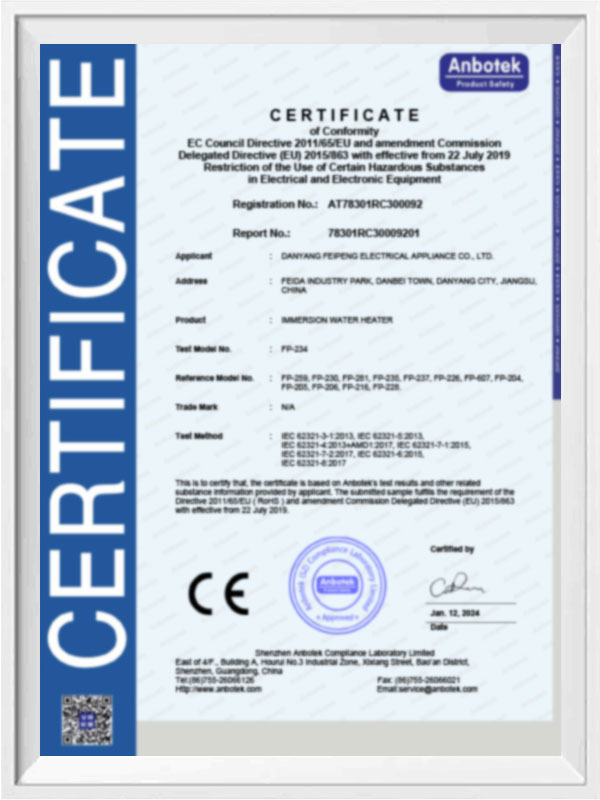
Danyang Feipeng Electrical Appliance Co., Ltd. heating tubes undergo rigorous electrical strength testing to ensure excellent insulation performance under different wiring methods.
Scale and Corrosion: The Enemies of Efficiency
In commercial kitchens, the biggest challenge facing the Commercial Rice Steamer Heating Element is not high temperature, but water quality. Scale is not only an energy killer but also the primary cause of heating tube bursts.
The Thermal Resistance Effect of Scale
Scale is an excellent insulator. According to experimental data, when the surface of a Commercial Rice Steamer Heating Element is covered by a 1.6mm layer of scale, heat transfer efficiency drops by about 12 percent. If the scale thickness reaches 3mm, energy consumption increases by more than 25 percent.
Scientific Fact: Because heat cannot be transferred to the water in time, heat accumulates rapidly inside the heating tube. When the internal temperature exceeds the limit of the resistance wire, the wire undergoes physical melting, or the metal shell may suffer fatigue, leading to a tube burst.
Pitting Corrosion and Chemical Damage
Even with high-quality SUS304 or SUS316L materials, if the chloride ion content in the water is too high, the Commercial Rice Steamer Heating Element can still suffer from pitting.
Preventive Measures: Danyang Feipeng Electrical Appliance Co., Ltd. recommends installing a commercial water softener or scale inhibitor at the inlet, which can extend the service life of heating elements by 2 to 3 times.
Installation and Operational Safety Guidelines
Replacing a Commercial Rice Steamer Heating Element is a professional task that must follow strict operating procedures to ensure personnel and equipment safety.
Professional Installation Process
Ensure there is no pressure in the tank and all accumulated water is drained. Check the gasket for aging. High-temperature silicone or Teflon gaskets are recommended to prevent steam leakage, which can cause short circuits in the junction box. Commercial equipment uses high current. If terminals are loose, they create massive contact resistance, which can trigger localized fires. Premium product lines from Danyang Feipeng Electrical Appliance Co., Ltd. integrate water level sensing protection. Before powering on, always ensure the heating tube is completely submerged.
Heating Element Performance Testing Reference
If you suspect the equipment is heating slowly, you can use a multimeter for the following tests: Resistance measurement should align with the rated power. For example, a 220V / 3000W tube should have a resistance of approximately 16.1 Ohms. The cold insulation resistance should be ≥ 500MΩ.
Daily Maintenance and Troubleshooting
In a fast-paced commercial kitchen, an unexpected shutdown of the Commercial Rice Steamer Heating Element can disrupt the entire food service workflow. Danyang Feipeng Electrical Appliance Co., Ltd. has organized a high-efficiency maintenance plan based on over 30 years of industry experience.
Preventive Maintenance: Regular Descaling
Because the Commercial Rice Steamer Heating Element is submerged in heating water for long periods, mineral scaling is inevitable. Regular descaling maintains heating efficiency and prevents tube cracking caused by localized overheating. Depending on local water hardness, chemical cleaning is recommended every 15–30 days. Use a food-grade citric acid solution for soaking. Do not use strong acids or steel wool to scrape the surface, as this destroys the protective oxide film.
Fault Diagnosis Table
| Symptom | Probable Cause | Diagnostic Method | Solution |
| No heat at all | Broken heating wire or loose wiring | Measure resistance | Replace tube or tighten terminals |
| Leakage protector trips | Damp insulation or shell corrosion | Use a Megohmmeter | Dry the unit or replace it |
| Extremely slow heating | Thick scale or missing phase | Visual inspection/Voltage check | Descale or check power phases |
| Terminals burnt/melted | Poor contact/high resistance | Visual inspection | Replace and re-crimp terminals |
FAQ
Why did my heating tube burst shortly after use?
Tube bursts are usually caused by two factors: severe scale accumulation, which prevents heat dissipation, or dry burning. Danyang Feipeng Electrical Appliance Co., Ltd. emphasizes that the heating zone must always be fully submerged. Even short periods of dry heating can cause internal temperatures to spike above 600 degrees Celsius instantly, causing permanent damage.
How can I easily determine if a heating element is scrap?
The most direct way is using a multimeter on the Ohm setting. If the resistance is infinite, the internal wire is broken. Furthermore, if the insulation resistance between the terminal and the shell is below 1MΩ, there is a leakage risk and it must be replaced.
Why is 316L stainless steel much more expensive than 304?
This is a matter of material science. 316L contains 2–3 percent molybdenum, giving it superior resistance to corrosion in chlorinated environments like tap water. For high-frequency commercial steamers, using a Commercial Rice Steamer Heating Element made of 316L or Incoloy from Danyang Feipeng Electrical Appliance Co., Ltd. results in lower total operating costs over time.
Does higher power always mean better steaming results?
Not necessarily. While high power shortens the time to boil water, if the power exceeds the natural convection limits of the tank, a vapor film can form on the surface of the Commercial Rice Steamer Heating Element, which actually hinders heat transfer and can burn out the tube. A reasonable Watt Density design is the core of a good product.
How do ambient temperature and humidity affect the wiring terminals?
Commercial kitchens are often humid and greasy. Danyang Feipeng Electrical Appliance Co., Ltd. recommends using a Commercial Rice Steamer Heating Element equipped with ceramic or silicone-sealed terminals to prevent moisture from entering the magnesium oxide filler, ensuring long-term electrical insulation.
