


 English
 русский
 Español
 عربى
عربى
How Does the Structural Integrity and Material Science of a Stove Heating Element Determine Thermal Transfer Efficiency?
The primary function of a Stove Heating Element is the high-precision conversion of electrical energy into thermal energy with minimal parasitic loss. However, achieving maximum efficiency is a multi-dimensional engineering challenge that extends far beyond a simple wattage rating. True thermal performance is deeply rooted in the sophisticated structural design of the element and the chemical purity of the materials used in its construction. From the crystalline structure of the internal resistance wire to the molecular density of the insulating media, every layer must be optimized to ensure that heat flows outward toward the cookware with zero internal impedance, preventing energy waste and ensuring that the appliance meets modern high-performance energy standards.
The Physics of Surface Emissivity and Sheath Alloys
To achieve the high standards required for modern cooking, the outer sheath of a Stove Heating Element must possess exceptional thermal conductivity while resisting the harsh environment of a stovetop. By using premium stainless steel, manufacturers ensure that the Stove Heating Element does not just heat up, but radiates that heat uniformly.
Advanced Corrosion Resistance: In the high-traffic environment of a busy kitchen, spills of boiling water, oils, and acidic food residues are inevitable. The premium stainless steel sheath acts as a primary defense, preventing oxidation and pitting caused by constant exposure to moisture and corrosive agents. This protection is critical for maintaining a stable electrical resistance profile over years of use; without it, the sheath would degrade, leading to uneven heating or catastrophic electrical failure.
Precision Thermal Expansion Management: Operating at extreme temperatures causes metal to physically expand and contract. High-performance alloys utilized in a professional Stove Heating Element are engineered with a specific coefficient of expansion that allows the unit to breathe during rapid heating and cooling cycles. This prevents the development of microscopic fatigue cracks in the sheath, ensuring structural resilience that significantly outlasts low-quality, generic alternatives which often warp or snap under similar stress.
High-Purity MgO Insulation and Internal Coil Centering
The internal "engine" of a Stove Heating Element is the resistance coil. To ensure that heat moves from the coil to the sheath efficiently, the space must be packed with high-purity Magnesium Oxide (MgO).
Enhanced Dielectric Strength: In a high-intensity 1000W spiral heating element for electric stove, the MgO serves as a critical electrical insulator. If the MgO powder is not vibrated and compressed to the exact required density during manufacturing, the internal resistance coil may shift off-center. This loss of dielectric integrity can lead to localized "hot spots" where the coil touches the sheath, resulting in an immediate electrical short and rendering the stove unsafe for use.
Strategic Thermal Path Optimization: High-purity, high-density MgO acts as an efficient thermal bridge between the internal wire and the external environment. The faster the heat can escape the internal resistance coil and transfer to the cooking surface, the cooler the internal wire remains relative to its output. This optimization is the primary factor in component longevity, as internal overheating—caused by poor thermal conductivity—is the leading cause of "burnout" in a Stove Heating Element.
Geometry and Watt Density Analysis
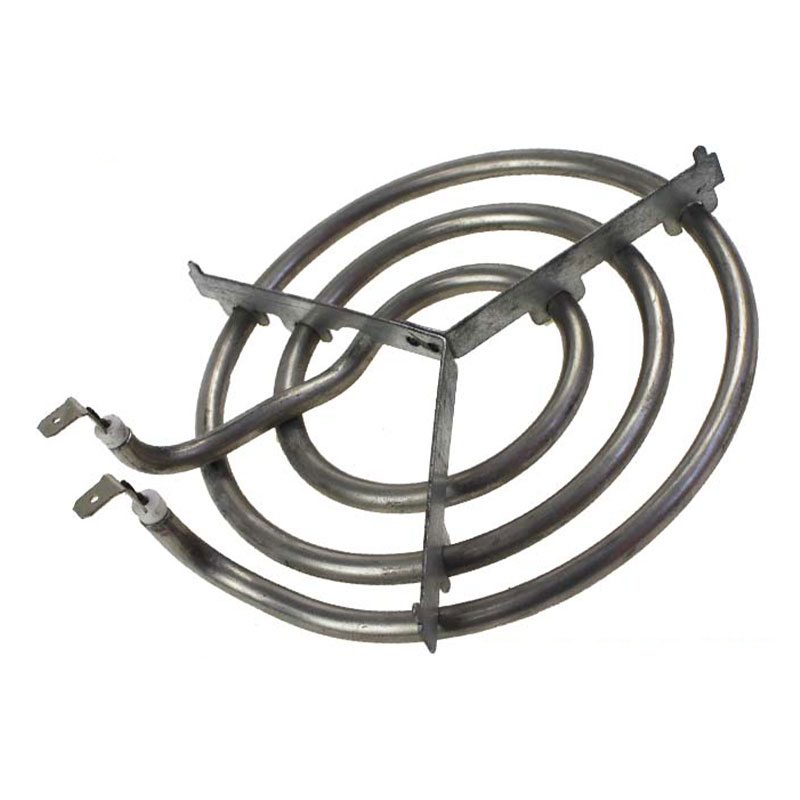
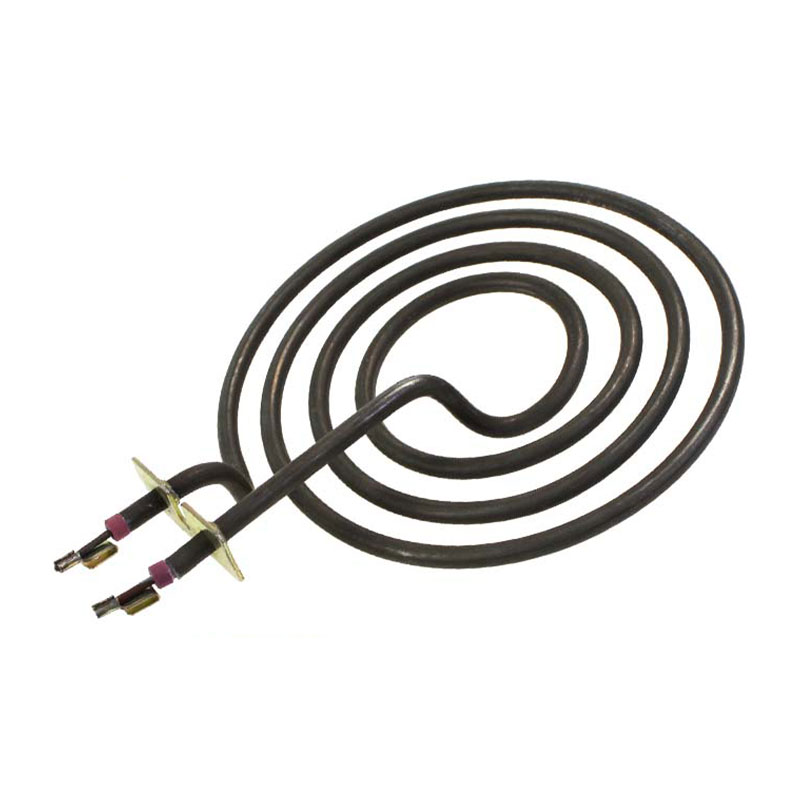
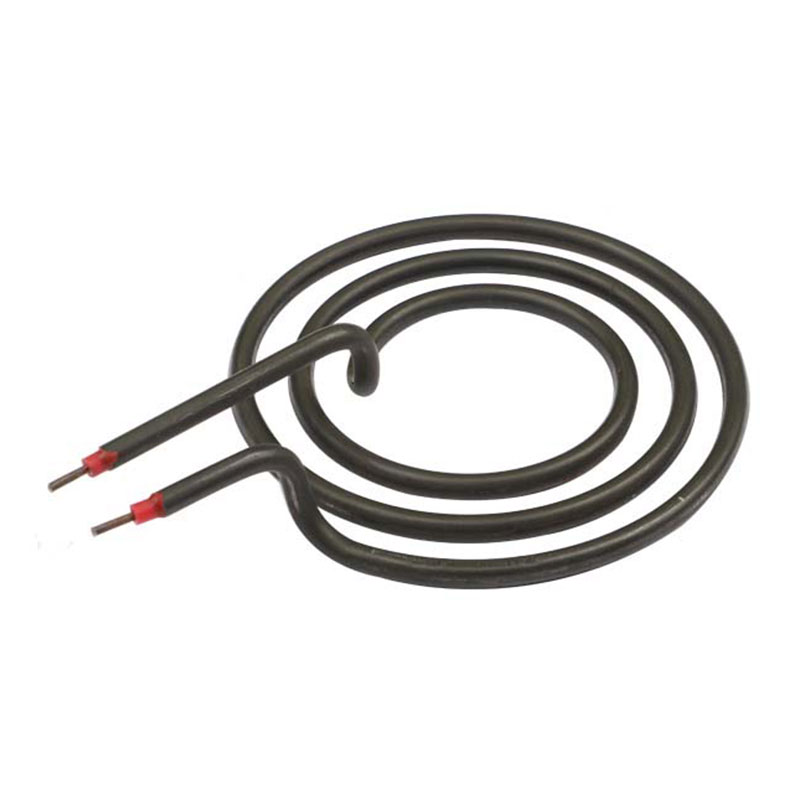
The shape of the element—whether it is a 3 Turns Stove Burner Replacement Element or a larger 4-ring stove burner heating element—directly impacts the "watt density" (W/in²).
Spiral Precision for High Intensity: A 1000W spiral heating element for electric stove is specifically engineered for smaller burners where horizontal space is at a premium but high thermal intensity is required. By utilizing a tight spiral geometry, the manufacturer increases the effective surface area in a compact footprint. This concentrated heat delivery allows for rapid boiling times and high-heat searing, making it the ideal choice for compact, high-efficiency cooktops.
Multi-Turn Uniformity for Balanced Cooking: The 3 Turns Stove Burner Replacement Element offers a sophisticated middle ground for standard domestic ranges. By distributing the 1500W-1800W of power across three distinct concentric loops, it provides a broad and stable platform for a variety of cookware sizes. This multi-turn configuration ensures that thermal energy is not overly concentrated in a single central point, which effectively prevents the "scorching" of delicate sauces and ensures a uniform golden-brown finish on pan-fried foods.
Why Is Bespoke Engineering Critical for Integrating a Stove Heating Element into Modern Smart Appliances?
As the industry moves toward IoT-enabled kitchens and energy-efficient "green" appliances, the role of custom development and production has never been more vital. A Stove Heating Element is no longer a standalone mechanical part; it has evolved into a sensor-integrated, high-precision component within a larger intelligent ecosystem. In this new era of smart manufacturing, the element must work in perfect synchronicity with digital control boards to achieve the extreme energy efficiency required by modern environmental standards. Our custom development and production process focuses on this integration, ensuring that each Stove Heating Element is optimized for rapid thermal response and minimal energy waste, allowing appliance brands to meet the rigorous "green" certification criteria while providing users with real-time feedback and smart connectivity features.
The Necessity of Custom Development and Production
Every appliance brand has its own proprietary cavity designs and thermal mapping requirements. Through custom development and production, we can adjust the physical dimensions, lead configurations, and resistance values of the Stove Heating Element to match specific brand identities.
Global Voltage Adaptation and Electrical Calibration: For successful global distribution, a Stove Heating Element must be meticulously engineered to handle 110V, 220V, or 240V inputs without compromising the established heating curve. This process involves more than just simple resistance; it requires complex multi-variable calculations during the winding of the internal resistance wire to ensure that the wattage remains consistent regardless of regional electrical fluctuations. By optimizing the wire gauge and coil pitch, we produce a Stove Heating Element that provides identical performance in a North American home as it does in a European or Asian kitchen, maintaining the brand's reputation for reliability worldwide.
Advanced Mounting Flexibility and Structural Alignment: Custom brackets, specialized terminal blocks, and precision-engineered flanges are essential for achieving a "perfect fit" within an appliance. Whether we are designing a heavy-duty 4-ring stove burner heating element for a commercial-grade range or a streamlined unit for a compact studio apartment stove, the mounting system must ensure that the element remains perfectly level and structurally secure under heavy load. Our custom development and production services include the creation of bespoke mounting hardware that compensates for thermal expansion while preventing vibration, ensuring that the Stove Heating Element delivers a trouble-free heating experience throughout its entire operational lifecycle.
Strategic Technical Comparisons
Choosing the right Stove Heating Element depends on the specific cooking application. The following table provides a technical breakdown of the most popular configurations currently dominating the market:
|
Feature |
1000W Spiral Heating Element |
3 Turns Replacement Element |
4-Ring Burner Heating Element |
|---|---|---|---|
|
Primary Performance Goal |
High Heat Concentration |
Universal Versatility |
Broad Heat Distribution |
|
Standard Wattage |
1000W - 1200W |
1500W - 1800W |
2000W - 2500W |
|
Surface Geometry |
Tight Spiral Coil |
Triple-Loop Ring |
Quad-Loop Concentric |
|
Material Grade |
SS304 / Incoloy |
Premium Stainless Steel |
High-Nickel SS316 |
|
Thermal Response Time |
Very Fast (< 45s) |
Balanced (~ 60s) |
Steady Build (~ 90s) |
|
Typical Pot Diameter |
4" - 6" |
6" - 8" |
8" - 12" |
|
Customization Level |
High (Lead/Voltage) |
Standard (Drop-in Fit) |
Ultra-High (Bracket/Sensors) |
Engineering for Smart Sensor Compatibility
The modern Stove Heating Element must often accommodate NTC thermistors or infrared sensors. This integration requires the element to have a consistent thermal signature. Through custom development and production, we ensure that the Stove Heating Element provides a predictable temperature-to-resistance ratio, allowing the stove's onboard computer to maintain simmering temperatures with surgical precision. This is particularly important for the 4-ring stove burner heating element, where different zones might need to be controlled independently.
How Do Global Manufacturing Standards and 30 Years of Expertise Guarantee the Reliability of a Stove Heating Element?
In the world of electrical heating, "near enough" is not good enough. Safety and longevity depend on the manufacturing pedigree of the factory. A Stove Heating Element is subject to extreme stress, and only rigorous industrial processes can ensure it remains trouble-free.
The Legacy of Danyang Feipeng Electrical Appliance Co., Ltd.
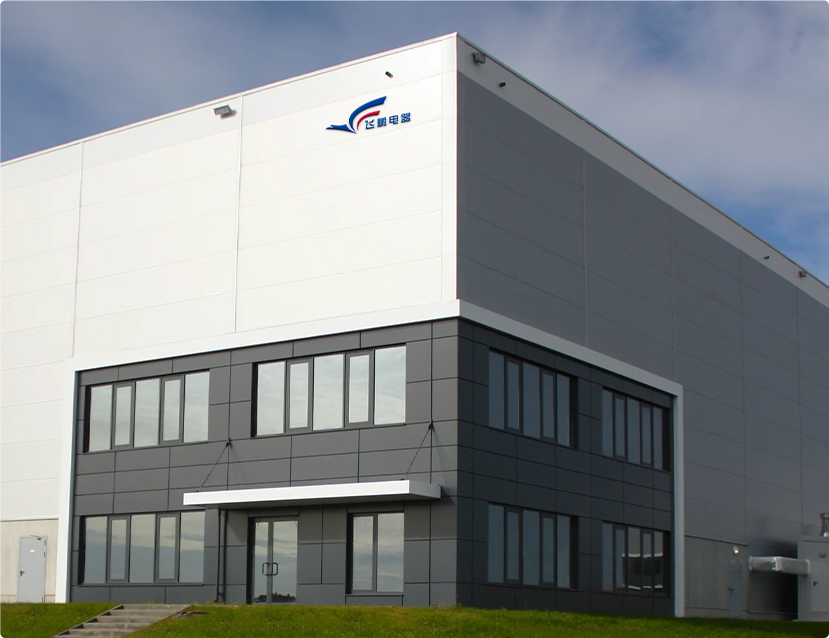
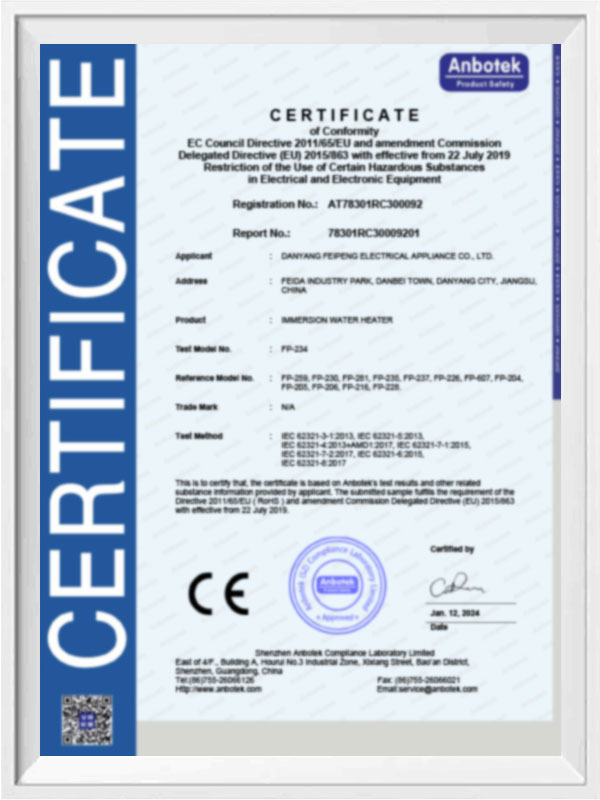
Reliability is a product of time and repetition. Danyang Feipeng Electrical Appliance Co., Ltd. has been providing professional heating elements and extension cords worldwide since 1990. This long-standing history as China Stove Heating Element Suppliers and a dedicated Stove Heating Element Factory has allowed for the accumulation of invaluable technical data and process refinement.
As a national high-tech enterprise, Feipeng integrates R&D, design, production, and sales. The company's focus on the globalization of the smart manufacturing of immersion water heaters, heating elements, and power cords has set a high bar for the industry. After more than 30 years of development, the Stove Heating Element Factory has become a professional manufacturer covering over 6,000 square meters.
Smart Manufacturing and Quality Control Ecosystems
The production of a Stove Heating Element at the Feipeng facility utilizes a mature production and packaging integrated assembly line and a high-spec laboratory.
Automated Centering: To ensure that a 1000W spiral heating element for electric stove does not fail prematurely, automated vibration systems are used during the MgO filling process. This ensures the resistance coil remains perfectly centered within the tube, maintaining uniform insulation thickness.
Precision CNC Bending: The complex curves of a 4-ring stove burner heating element are formed using multi-axis CNC bending machines. This eliminates the risk of "thinning" the stainless steel sheath at the bends, which is a common failure point in manual production.
Rigorous Laboratory Testing: Before any Stove Heating Element leaves the factory, it undergoes a battery of tests. This includes "leakage current" tests under high-humidity conditions and "life cycle" tests where the element is cycled from cold to white-hot thousands of times. This laboratory-backed approach ensures that every 3 Turns Stove Burner Replacement Element can survive the rigors of a busy domestic kitchen.
The Advantage of Scale and Globalization
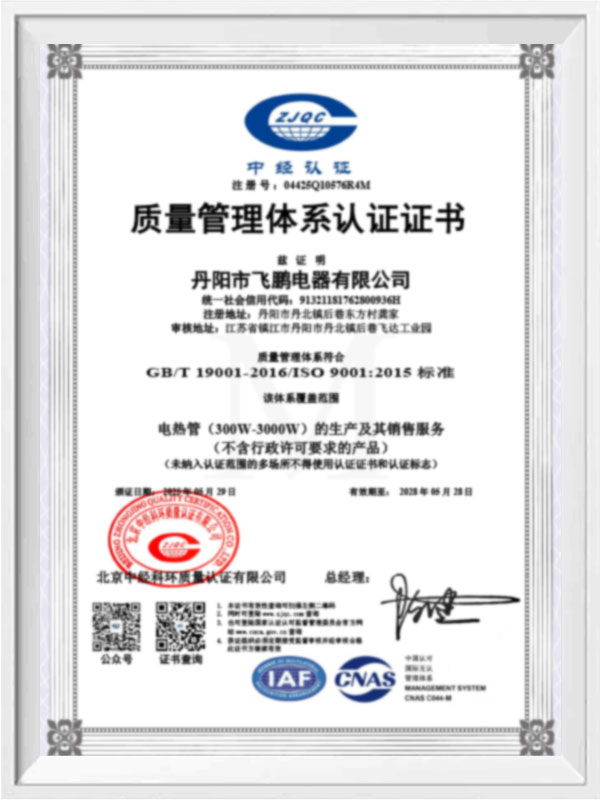
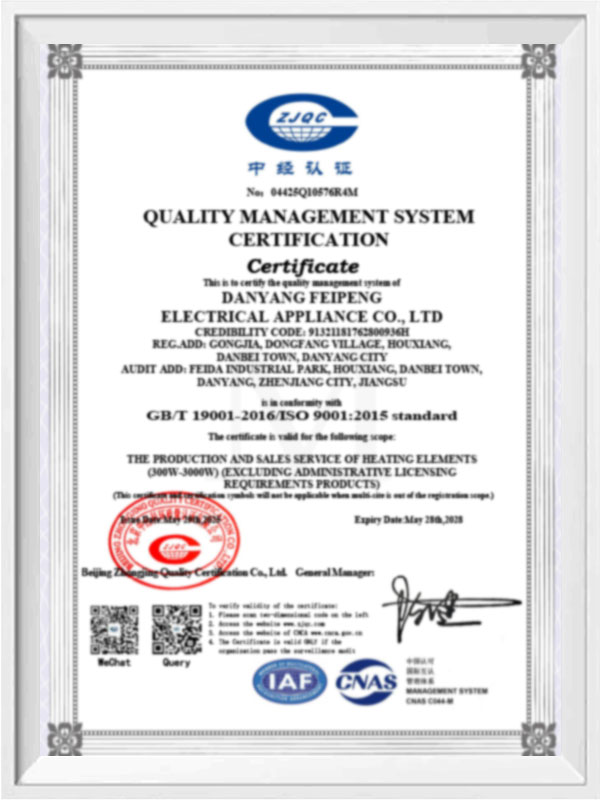
Being a leading Stove Heating Element Factory means more than just having big machines; it means having the supply chain agility to support global brands. With an integrated assembly line, the transition from custom development and production to mass-scale manufacturing is seamless. This allows appliance brands to bring new stove models to market faster, knowing their Stove Heating Element partner can scale with them while maintaining the strict ISO-certified quality standards that international markets demand.
The Stove Heating Element is the heartbeat of the modern kitchen. Whether you are an appliance brand developing the next generation of smart ranges or a distributor providing the 3 Turns Stove Burner Replacement Element for the replacement market, the quality of this component defines your reputation.
By focusing on premium stainless steel, embracing custom development and production, and relying on the factory precision of a 30-year veteran like Danyang Feipeng Electrical Appliance Co., Ltd., you ensure that your products deliver consistent, long-lasting performance. The journey from a raw 1000W spiral heating element for electric stove to a fully integrated 4-ring stove burner heating element is one of technical excellence and manufacturing discipline.
