


 English
 русский
 Español
 عربى
عربى
What are the applications of Heating Elements in household appliances?
Heating elements are indispensable core components in household appliances, responsible for converting electrical energy into heat energy to provide heating functions for the equipment. Heating elements have a wide range of applications, covering almost all household appliances that require heating.
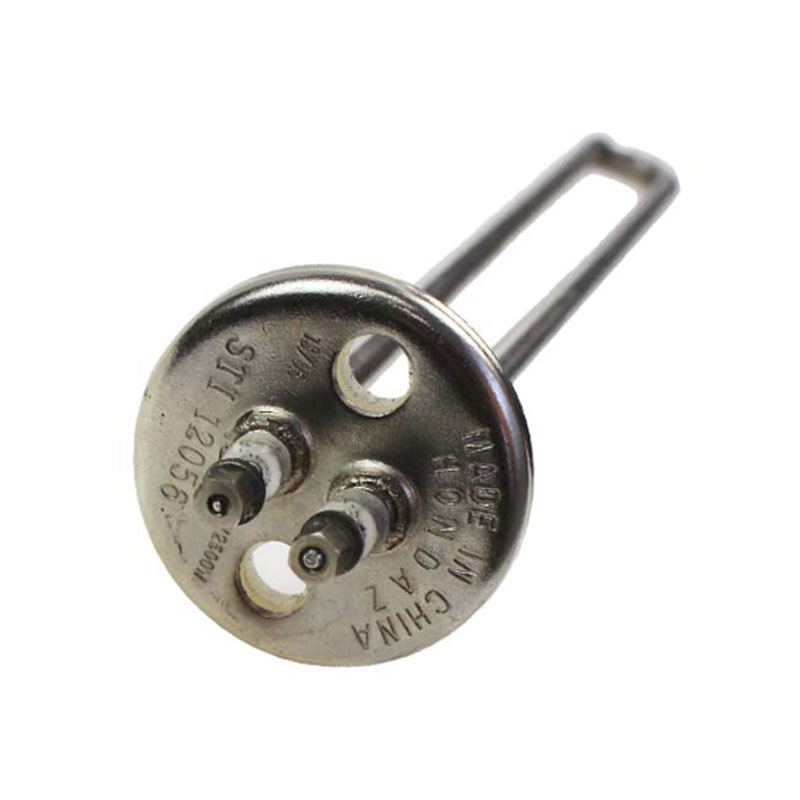
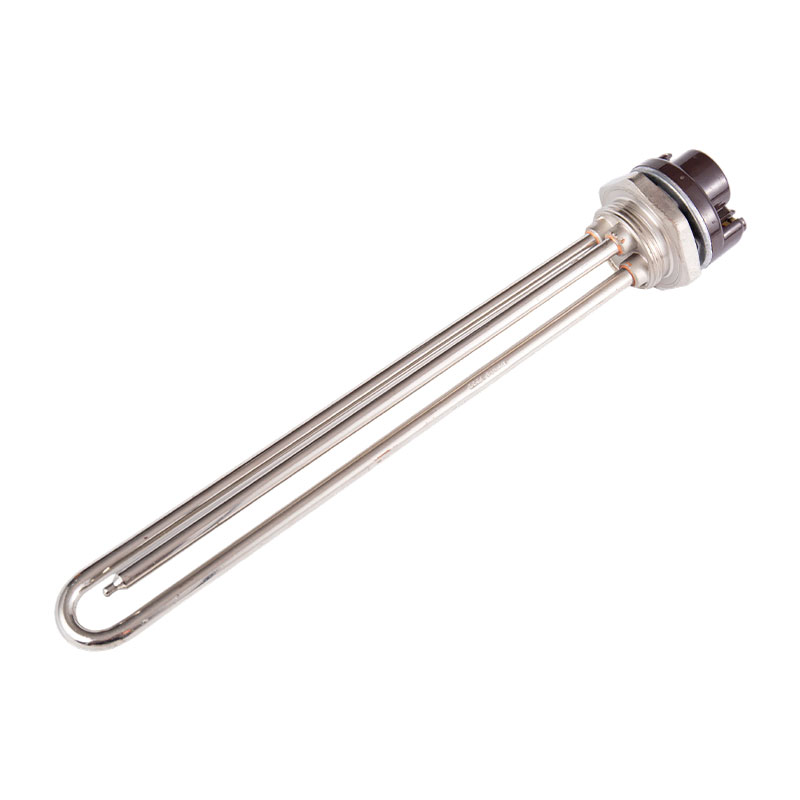
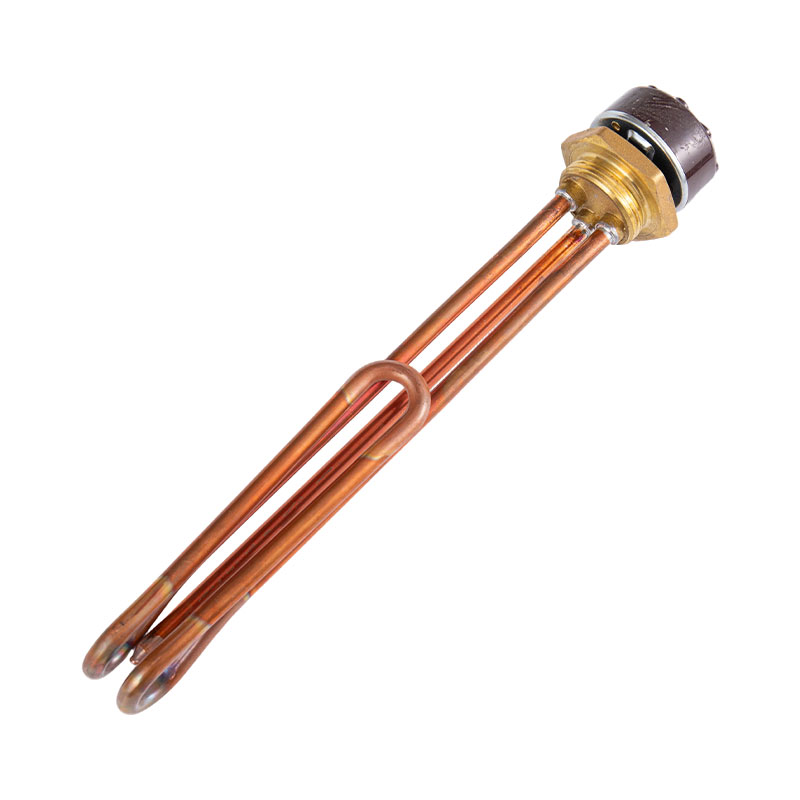
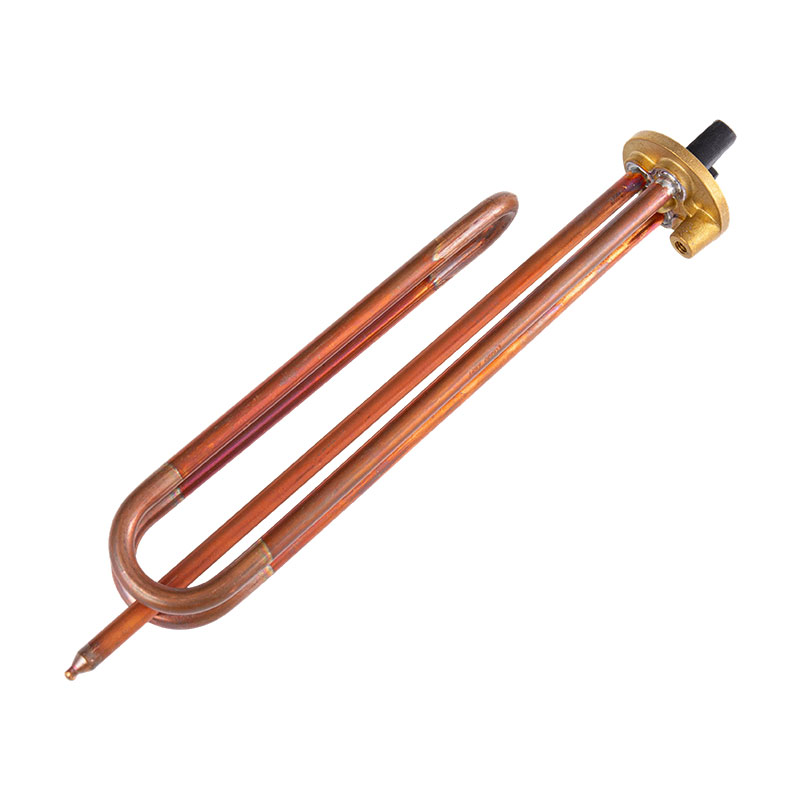
- Electric Water Heaters: Electric water heaters are one of the most common household appliances, and their core function is to heat water to a suitable temperature. The heating elements in electric water heaters are generally made of metal materials (such as copper or stainless steel), which not only have good thermal conductivity but also effectively resist scale buildup and corrosion. The heating element generates heat by current flowing through it, thereby heating the water. Traditional storage-type electric water heaters usually use spiral-shaped heating elements; while instantaneous electric water heaters often use compact heating elements.
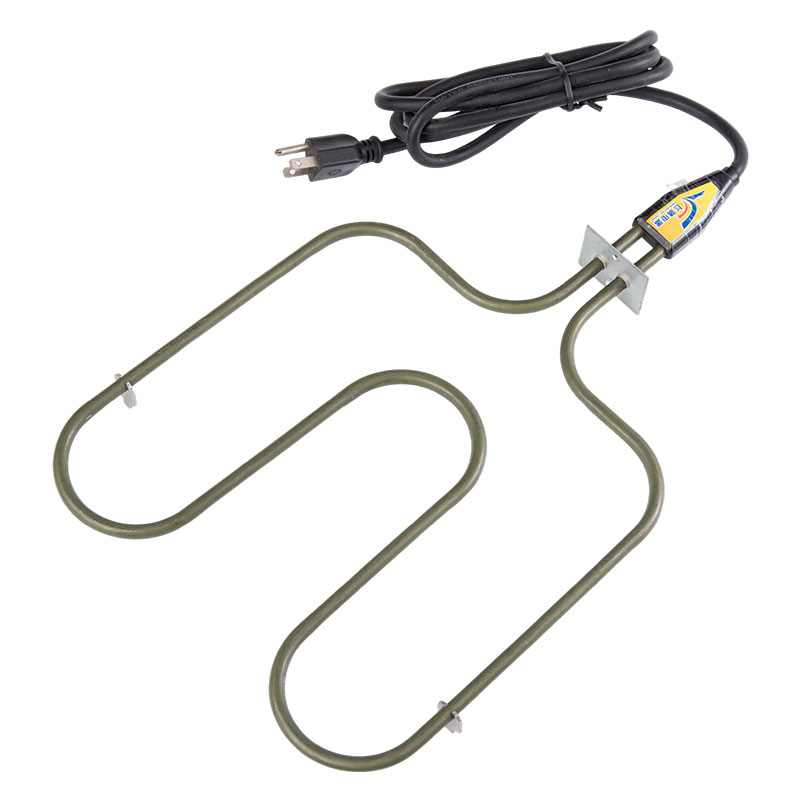
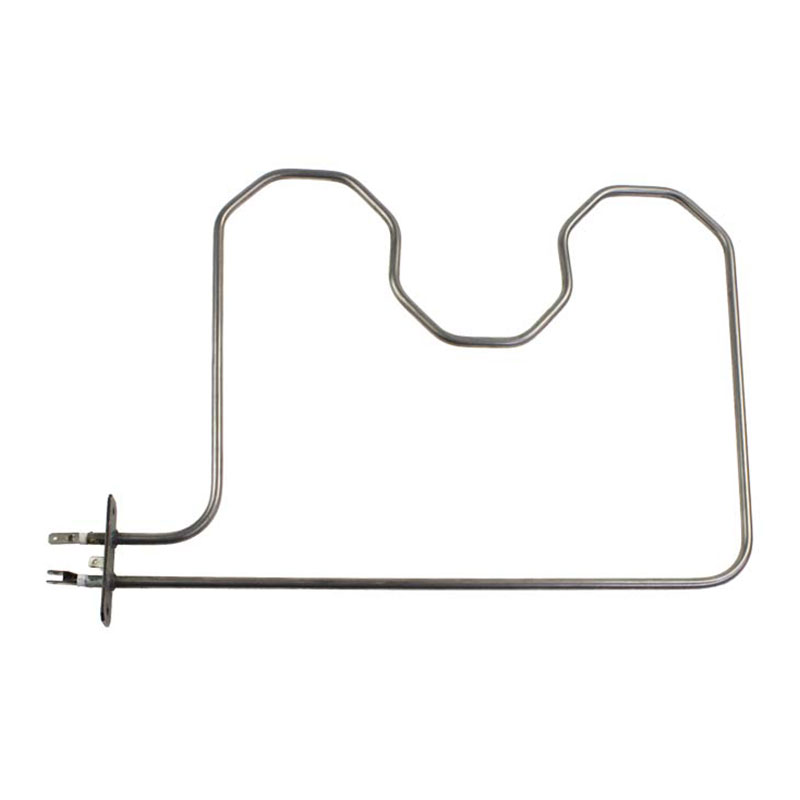
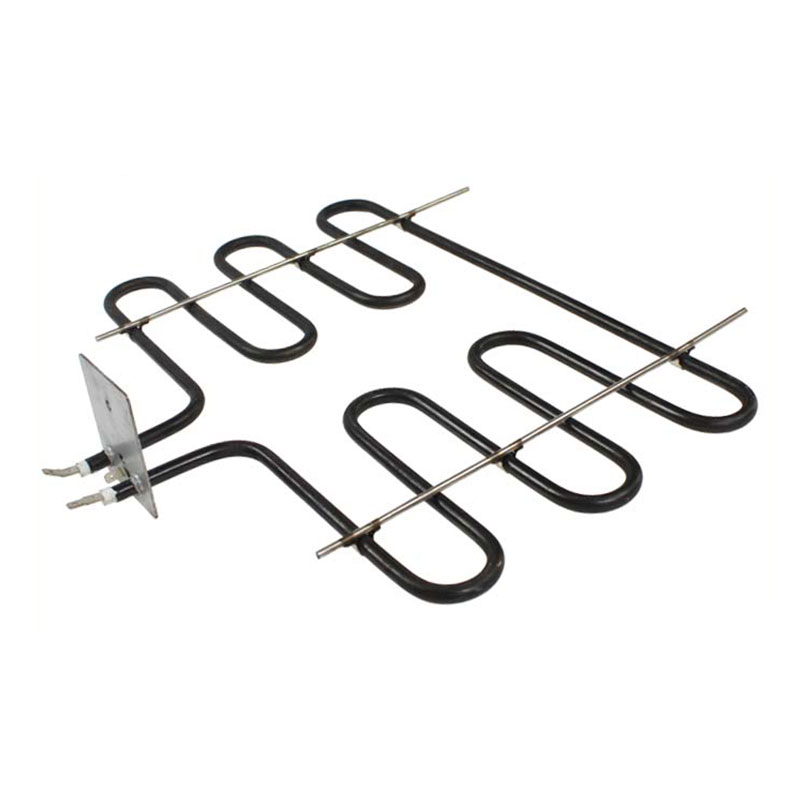
- Electric Ovens: Electric ovens are another common type of household appliance, where the heating element is responsible for generating enough heat to bake food. The heating elements in electric ovens are usually located on the upper and lower sides of the oven. These heating elements heat up and radiate heat through the current. Modern electric oven designs are increasingly focused on thermal efficiency and even heating, so the material and shape of the heating elements vary. Some ovens even use adjustable temperature-controlled heating elements to precisely regulate the heat during the cooking process.
- Electric Heaters: The heating elements in electric heaters are usually made of metal materials (such as aluminum, steel, or nickel alloys). They generate heat through the current passing through the heating element, and then heat the air through convection or radiation. Common types of heating elements include aluminum alloy resistance wire elements and ceramic heating elements. They can quickly heat the air and raise the indoor temperature. Electric heaters control the room temperature by adjusting the power of the heating element, and are usually equipped with a thermostat or temperature control device to achieve safe heating.
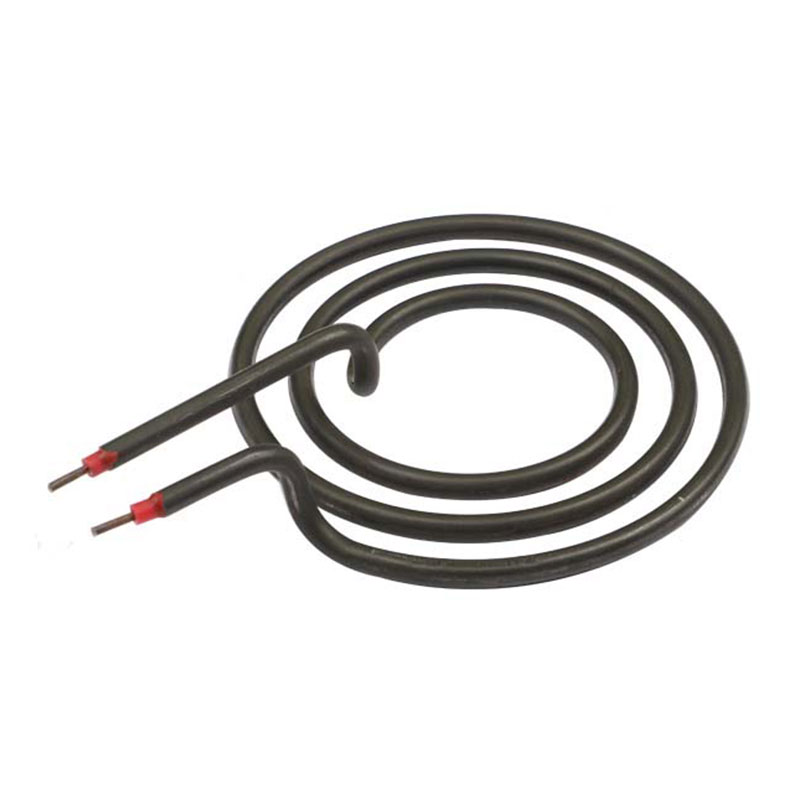
- Electric Kettles: Electric kettles use heating elements to heat water to boiling point. The heating element in an electric kettle is usually embedded in the bottom or coiled into a disc shape, in contact with the water surface, heating the water through direct heat conduction. Most electric kettles use stainless steel or ceramic heating elements, which are corrosion-resistant, have good thermal conductivity, and ensure that the electric kettle works efficiently for a long time.
- Electric Woks and Electric Hot Pots: Heating elements are also quite common in electric woks and electric hot pots. These types of home appliances typically require fast and even heating to ensure proper cooking of ingredients. The heating element is integrated into the bottom of the pot, directly transferring heat to the bottom. To improve efficiency, modern electric hot pots and woks usually use heating elements made of highly conductive materials, ensuring even and rapid heating of ingredients.
- Dryers and Washing Machines: In the drying function of washing machines, the heating element helps heat the air and evaporate moisture from the clothes. The heating element is generally made of corrosion-resistant materials (such as stainless steel or nickel-chromium alloy) to increase its lifespan and prevent damage from moisture or humidity. In clothes dryers, the heating element is used to generate high-temperature air, drying the clothes through convection.
How do the size and shape of a heating element affect thermal efficiency and heating speed?
The size and shape of the heating element directly affect its thermal efficiency, heating speed, and overall performance. Specifically, these factors significantly impact the heating element's heat transfer capacity, heating uniformity, and energy efficiency.
The Impact of Size (Length, Diameter, Area) on Thermal Efficiency
The size of the heating element directly determines the amount of current it can handle and the amount of heat it generates. Generally, larger heating elements (whether in length, diameter, or surface area) provide a larger heating surface, resulting in more uniform heat distribution and the ability to heat more material or a larger space in a shorter time. Therefore, larger heating elements typically improve thermal efficiency and heating speed.
- Surface Area: The larger the surface area of the heating element, the more efficiently heat is transferred to the medium (such as water, air, or food). A larger surface area allows more heat to come into contact with the medium, making the heating process more efficient. For example, a longer heating element in an electric water heater can heat water to the set temperature in a shorter time.
- Length and Diameter: Longer heating elements typically provide more uniform heat distribution, suitable for heating large volumes of liquids or air. Thicker heating elements can carry more current and generate more heat, suitable for devices requiring high-power heating (such as electric ovens).
The Impact of Shape on Heating Speed and Heat Uniformity
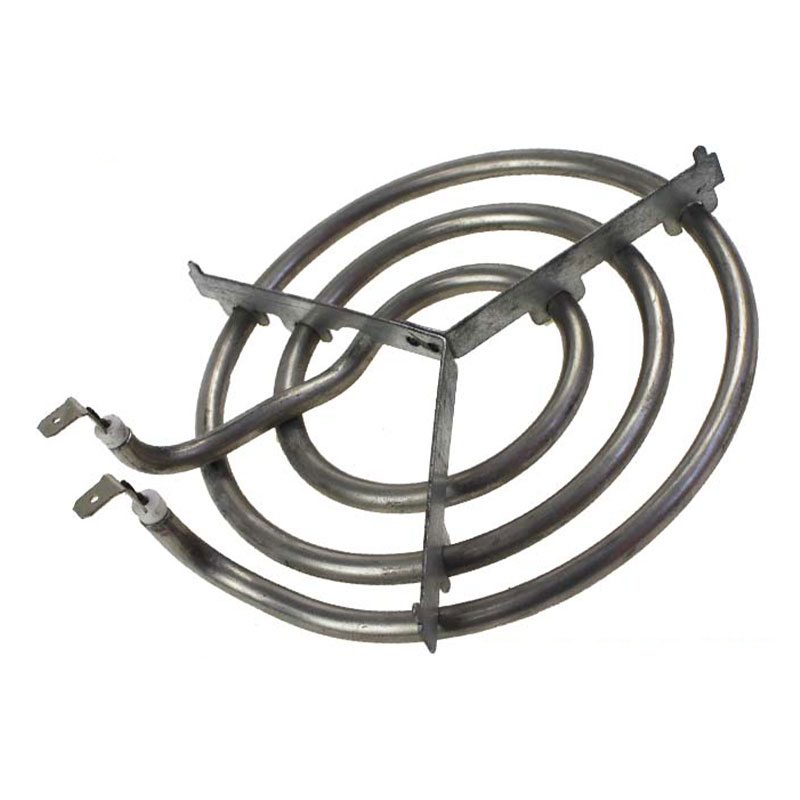
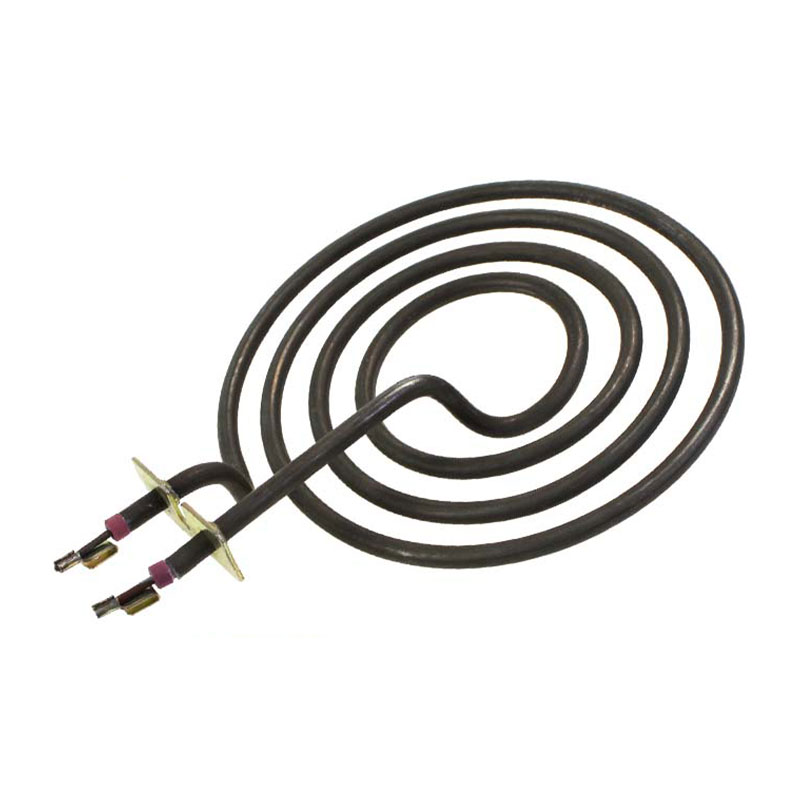
The shape design of the heating element also significantly impacts thermal efficiency. Common heating element shapes include spiral, disc, and U-shaped designs. Different shapes produce different heat distribution effects during the heating process.
- Spiral Heating Element: This shape provides a large and uniform heating surface, especially suitable for liquid heating, such as in electric water heaters and electric cooking pots. The spiral design ensures more uniform heat distribution, preventing localized overheating when heating water.
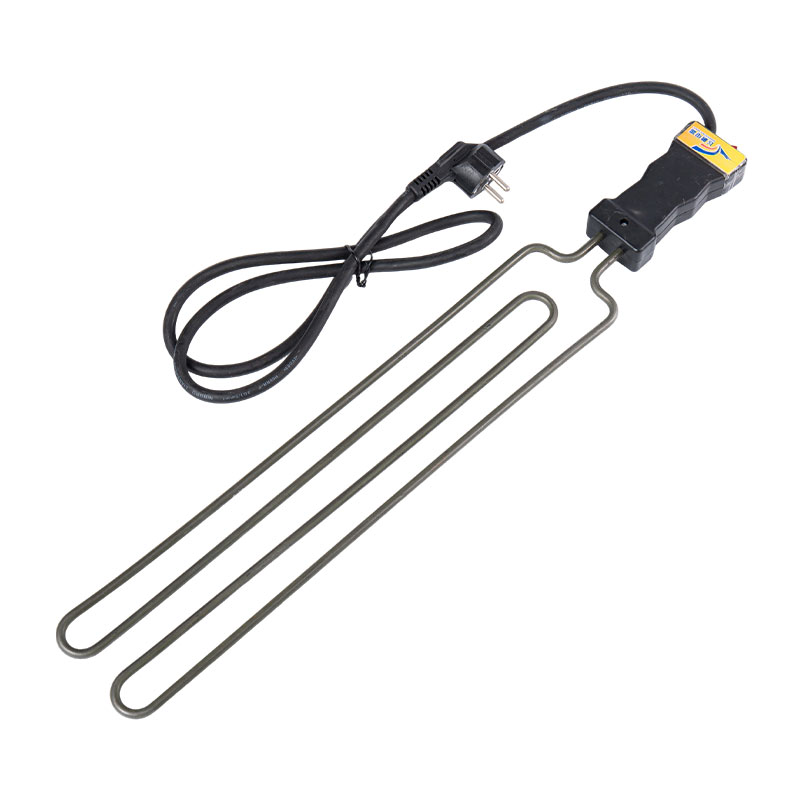
- Disc and U-shaped Heating Elements: These designs are commonly used in devices such as electric ovens and electric hot pots. They provide a large surface area while heating the air or food surface more quickly, suitable for applications requiring rapid heating. U-shaped designs are often used for heating air or oil because they can distribute heat evenly over a larger area.
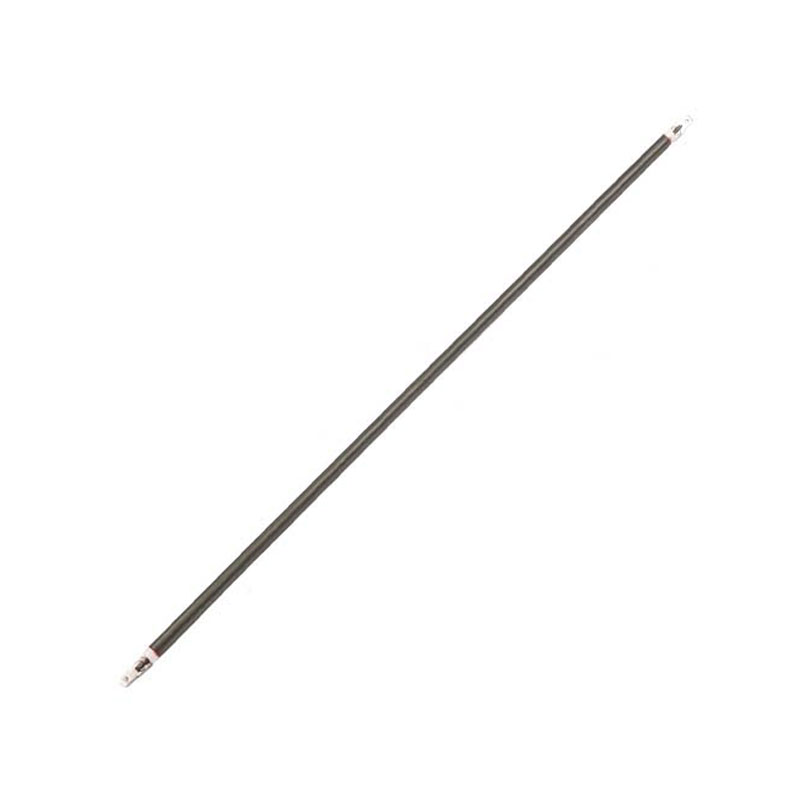
- Flat Heating Element: For devices such as electric heaters, flat heating elements provide even heat distribution and have high heating efficiency. This shape of heating element is also suitable for large heating systems because it can heat quickly and cover a large area.
Thermal Efficiency and Energy Loss
The size and shape of the design not only affect the rate of heat generation but also the efficiency of energy utilization. Poorly designed heating elements can lead to energy waste, such as heat concentrating in certain areas without being evenly distributed, or heat loss during transmission. Therefore, considering thermal efficiency and heat transfer performance is crucial when designing heating elements.
How to perform regular inspection and maintenance of heating elements to ensure their long-term safe operation?
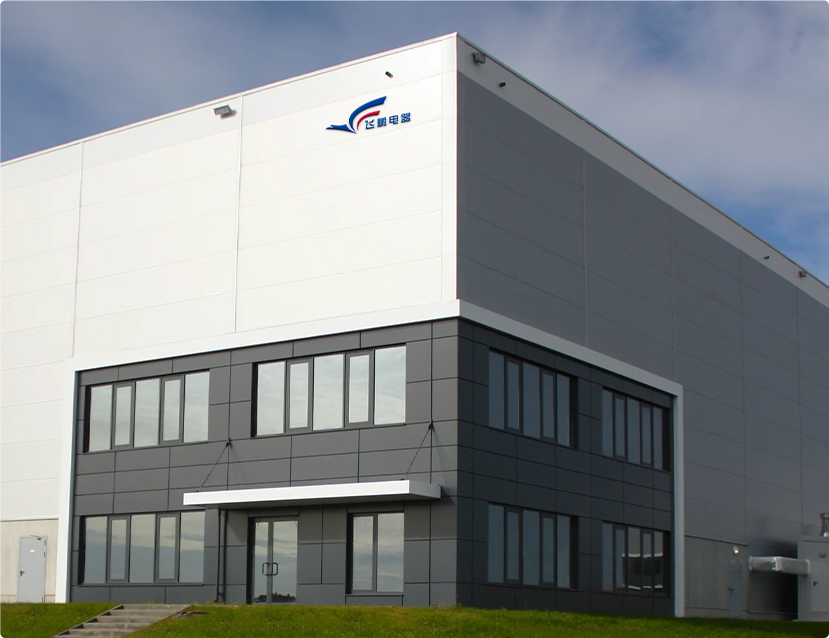
Heating elements are crucial components in household appliances and industrial equipment, responsible for converting electrical energy into heat to provide the necessary heating function for the equipment. To ensure that heating elements maintain good working performance and safety during long-term use, regular inspection and maintenance are very important. Companies like Danyang Feipeng Electrical Appliance Co., Ltd., which are dedicated to providing high-quality heating elements and related products, ensure the long-term stability and safety of their products through comprehensive research and development, production, and quality control measures.
Regular Inspection of Appearance and Structure
During use, heating elements may experience damage or aging due to high temperatures and prolonged workload. Regularly inspecting the appearance of the heating element can help identify potential problems in advance.
- 1. Check for cracks and deformation: For heating elements made of metal materials, especially copper, aluminum, or stainless steel, check for cracks, wear, or corrosion. Cracks can lead to malfunctions during heating, and in severe cases, may cause short circuits or overheating.
- 2. Check the insulation layer: The electrical parts of heating elements usually have an insulation layer to prevent current leakage. For household appliances such as electric water heaters, the wires and insulation materials of the heating element may age due to long-term use or high temperatures. Damaged insulation layers can lead to electric shock or electrical fire hazards. Therefore, it is necessary to regularly inspect the electrical connections of the heating element to ensure that the insulation layer is intact.
Danyang Feipeng Electrical Appliance Co., Ltd., as a national high-tech enterprise, focuses on the research and development and production of heating elements. Their products undergo strict quality control and testing before production to ensure that each heating element can withstand long-term use. During product design and manufacturing, Danyang Feipeng Electrical Appliance Co., Ltd. fully considers the durability and safety of the heating element, ensuring that the external structure of the product can withstand long-term testing.
Cleaning and Descaling
Heating elements, especially those used for heating liquids (such as electric water heaters and electric kettles), are often affected by scale or dirt, which reduces heating efficiency. Scale accumulation leads to a decrease in heat transfer efficiency, which in turn affects the working performance of the heating element. Regular cleaning and descaling are crucial for ensuring the long-term stable operation of the heating element.
- Scale Removal: In devices such as electric water heaters, scale gradually accumulates over time, especially in hard water areas where the scale problem is more severe. When cleaning the heating element, professional descaling agents or natural cleaning agents such as vinegar should be used to remove scale and restore its heat transfer performance.
- Regular External Cleaning: The exterior of the heating element may accumulate dust and oil. Regular wiping with a damp cloth is necessary to keep the surface clean, which helps improve heating efficiency.
As a leading global manufacturer of heating elements, Danyang Feipeng Electrical Appliance Co., Ltd. uses highly corrosion-resistant materials (such as stainless steel and nickel alloys) in the design and manufacturing of its products. These materials effectively resist scale and chemical corrosion, reducing the frequency of cleaning and maintenance for users, and extending the service life of the heating element.
Electrical Performance Inspection
Regular electrical inspections are very important, especially after the heating element has been in use for a long time. Danyang Feipeng Electrical Appliance Co., Ltd. has a strong R&D team dedicated to improving the electrical performance of heating elements, ensuring safe and stable operation of products worldwide.
- Resistance Testing: Use a suitable resistance testing instrument to check whether the resistance value of the heating element meets the standard. If the resistance value is too high, it may indicate that the heating element is worn or damaged, unable to effectively conduct current, leading to low heating efficiency or even failure.
- Current and Voltage Testing: Ensure that the current and voltage of the heating element meet the usage requirements. Excessive current or voltage may lead to overheating, component burnout, or even fire. Danyang Feipeng Electrical Appliance Co., Ltd. conducts rigorous electrical testing on every batch of heating elements during product development and manufacturing to ensure compliance with electrical performance standards.
High-Temperature Testing
Since heating elements typically operate in high-temperature environments, their heat resistance performance requires special attention during use. Regular high-temperature testing can effectively ensure that the heating element does not fail due to overheating.
- Simulating Operating Conditions: During equipment operation, high-temperature simulation tests can be used to observe whether the heating element is working stably. If the heating element exhibits abnormal noise, uneven heating, or unstable operation at high temperatures, it may indicate problems with the internal structure or electrical components of the heating element.
Danyang Feipeng Electrical Appliance Co., Ltd. utilizes advanced laboratory testing equipment to precisely test the heat resistance performance of the heating element, ensuring that each product operates efficiently and safely in different working environments. Danyang Feipeng Electrical Appliance Co., Ltd.'s heating elements are designed to be high-temperature resistant, corrosion-resistant, and aging-resistant, ensuring fault-free operation over extended periods.
Regular Replacement
Heating elements have a limited lifespan, especially those operating continuously in high-temperature environments, and their performance may degrade over time. Regularly replacing aging or damaged heating elements can effectively prevent safety hazards.
- Product Lifespan: Danyang Feipeng Electrical Appliance Co., Ltd.'s heating elements use high-quality materials and advanced manufacturing processes, typically resulting in a long service life. However, any product can be affected by external environmental factors, leading to aging or wear. Therefore, users should regularly check the working condition of the components during use to ensure there are no obvious signs of aging, damage, or electrical faults.
Danyang Feipeng Electrical Appliance Co., Ltd.'s Quality Assurance
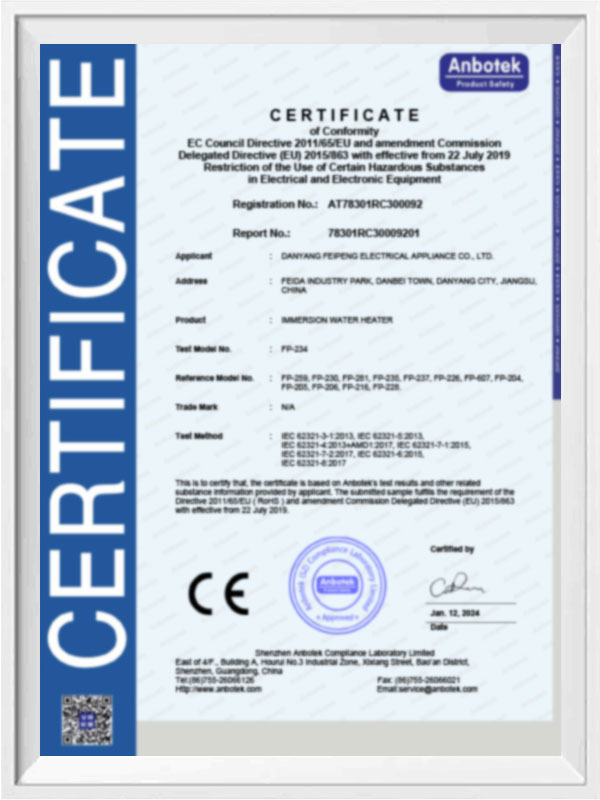
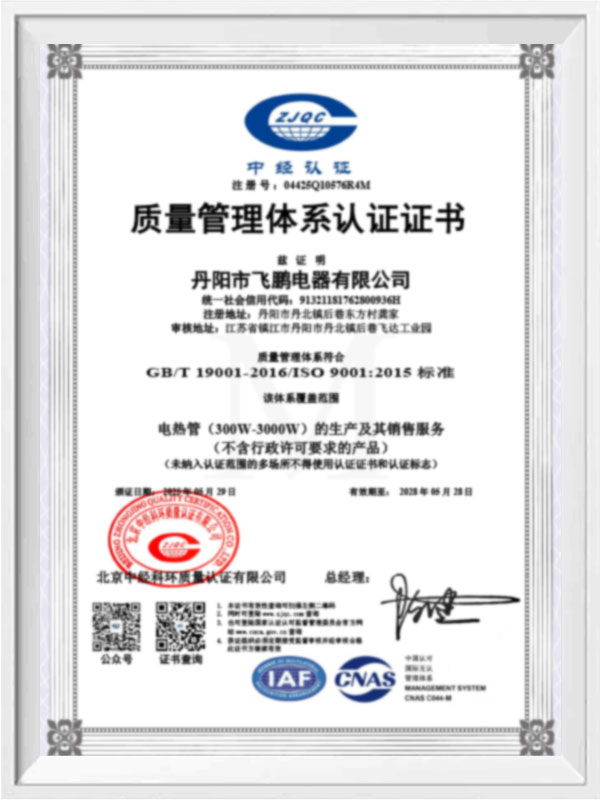
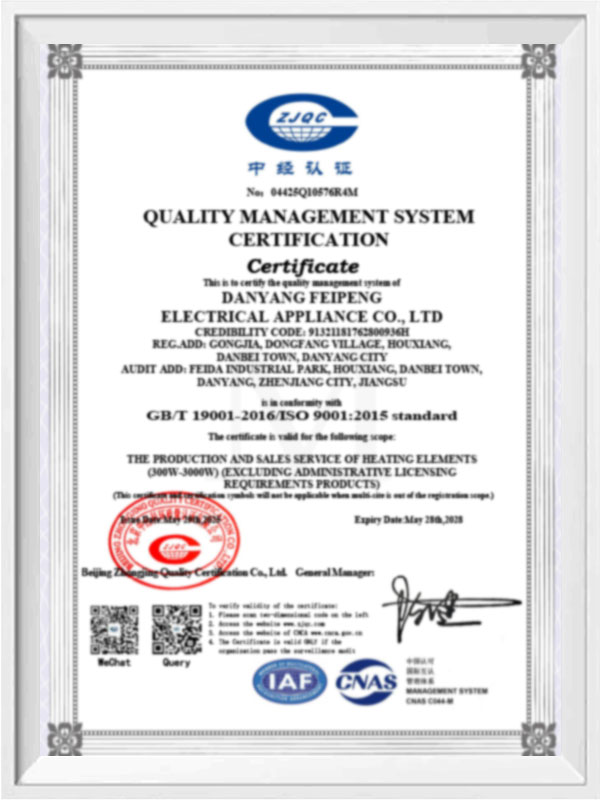
As a national high-tech enterprise specializing in the research, development, design, and production of heating elements, Danyang Feipeng Electrical Appliance Co., Ltd. strictly adheres to quality control standards in every production stage. Danyang Feipeng Electrical Appliance Co., Ltd.'s products, including heating elements, power cords, and extension cords, have undergone rigorous testing and certification to ensure they meet high-quality standards for global applications.
- R&D Team: Danyang Feipeng Electrical Appliance Co., Ltd.'s R&D personnel are dedicated to continuously improving and optimizing the design of heating elements, enhancing their thermal efficiency and lifespan, and ensuring that the products can adapt to different working environments and needs.
- Production Team: Danyang Feipeng Electrical Appliance Co., Ltd.'s production personnel manufacture heating elements using highly integrated production lines, ensuring the stable and reliable quality of each component. During the production process, Danyang Feipeng Electrical Appliance Co., Ltd. strictly adheres to industry standards for manufacturing and testing, preventing any quality issues.
- Quality Control Team: Danyang Feipeng Electrical Appliance Co., Ltd. has a professional quality control team, and laboratory testing is a core part of the company's quality control. Through rigorous laboratory testing, we ensure that every heating element passes high-standard inspections before leaving the factory and meets domestic and international quality certification requirements.
