


 English
 русский
 Español
 عربى
عربى
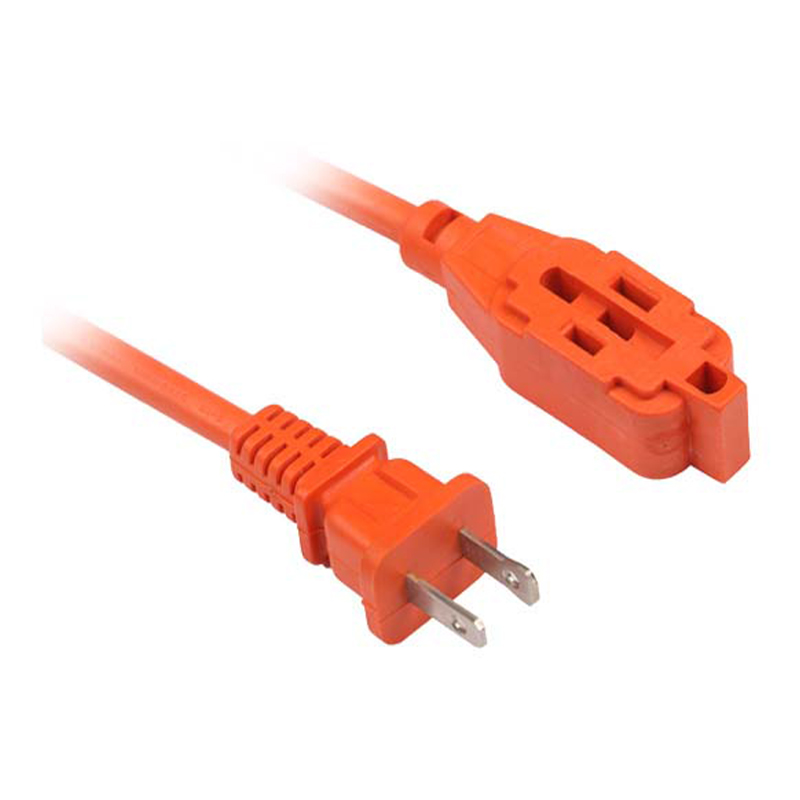
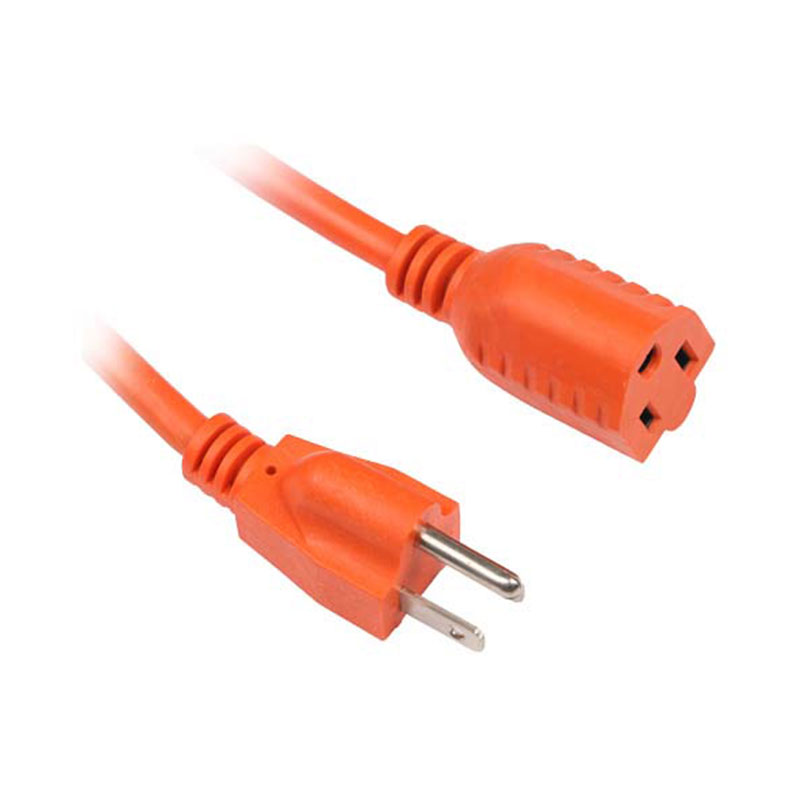
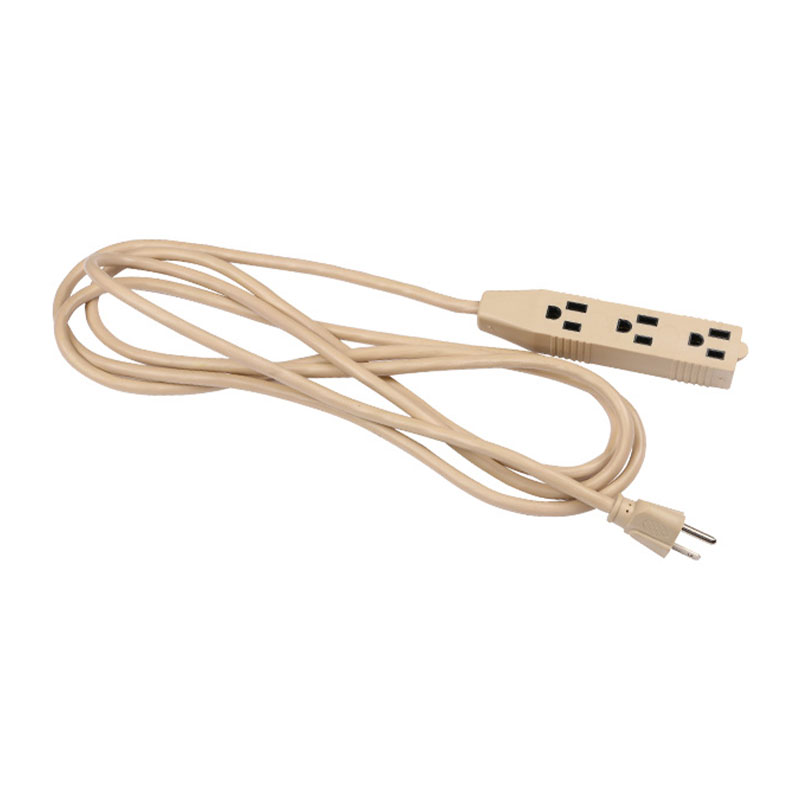
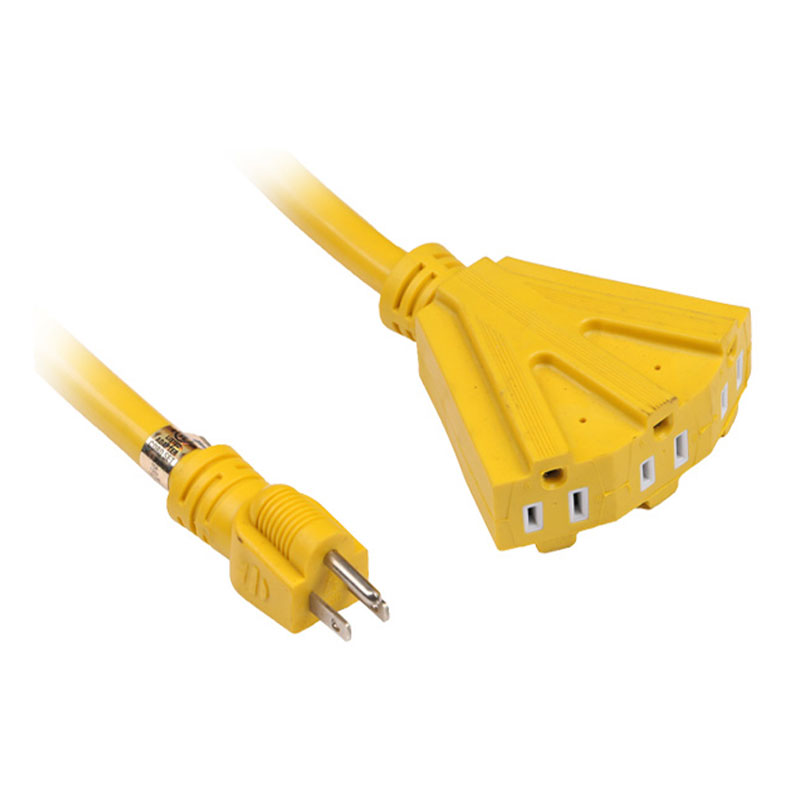
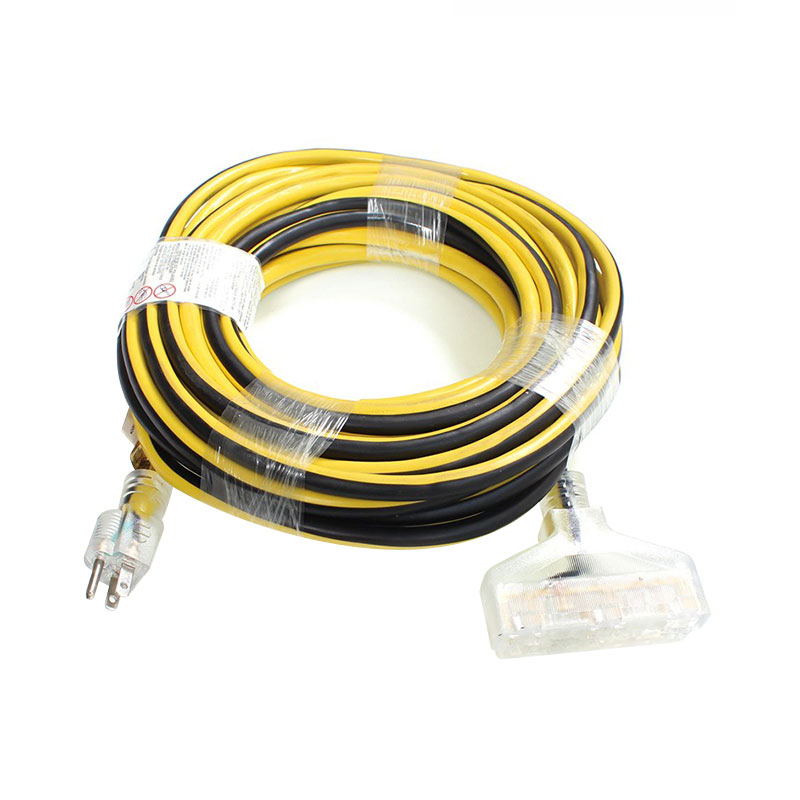

Differences Between Outdoor Extension Cords and Regular Household Extension Cords
Environmental Resistance
Outdoor extension cords are designed to withstand harsher environmental conditions than regular household cords. They are exposed to moisture, sunlight, dust, and temperature fluctuations, which can degrade insulation or affect electrical performance over time. These cords often include thicker insulation, weather-resistant coatings, and reinforced jackets to prevent damage. Danyang Feipeng Electrical Appliance Co., Ltd., with over 30 years of experience in power cord manufacturing, ensures that outdoor cords are engineered to maintain consistent performance and safety even when used in gardens, patios, or construction sites.
Insulation and Jacket Material
The insulation and outer jacket of an outdoor extension cord are typically more robust than those of household cords. Materials such as thermoplastic elastomers, rubber, or heavy-duty PVC are used to provide mechanical durability, abrasion resistance, and protection against water and UV light. Household cords generally use lighter insulation suited for dry, indoor environments. Danyang Feipeng applies multi-layer insulation and quality control measures to ensure that every outdoor cord meets safety standards while remaining flexible enough for practical use.
Grounding and Safety Features
Safety features are particularly important for outdoor extension cords. Grounding provides a direct path for fault currents to the earth, reducing the risk of electric shock. Many outdoor cords also include anti-electric shock measures, such as insulated sleeves or shuttered sockets, to protect users in wet or damp conditions. Household cords may include basic grounding but are not specifically designed for outdoor hazards. Danyang Feipeng emphasizes the integration of these safety elements in its design and testing processes to ensure reliable performance.
Wire Gauge and Load Capacity
Outdoor cords often feature thicker conductors to handle higher electrical loads. Tools and equipment used outdoors, such as power drills, lawnmowers, or heaters, may draw more current than typical household appliances. Thicker wire reduces resistance and prevents overheating. Household extension cords, on the other hand, are usually optimized for low to moderate loads like lamps or electronics. Danyang Feipeng carefully selects conductor size and insulation to meet both electrical and mechanical requirements for different applications.
Durability and Flexibility
Durability is a critical factor for outdoor cords, as they may be dragged over rough surfaces, bent repeatedly, or exposed to mechanical stress. Outdoor cords are engineered to resist abrasion, maintain bend resistance, and preserve conductor integrity under repeated handling. Household cords focus more on indoor flexibility and ease of routing but are not designed for rugged outdoor use. Danyang Feipeng evaluates flexibility, bend resistance, and tensile strength through laboratory testing and production line inspections to ensure each cord meets required performance standards.
| Feature | Household Extension Cord | Outdoor Extension Cord |
| Insulation | Lightweight PVC | Thicker, weather-resistant materials |
| Environmental Resistance | Indoor, dry conditions | Water, UV, temperature, and abrasion resistant |
| Safety Features | Basic grounding, limited anti-shock | Grounding, anti-shock, polarized/shuttered plugs |
| Load Capacity | Low to medium load appliances | High-demand tools and outdoor equipment |
| Flexibility & Durability | Flexible for indoor routing | Resilient to bending, dragging, and outdoor stress |
Testing and Quality Assurance
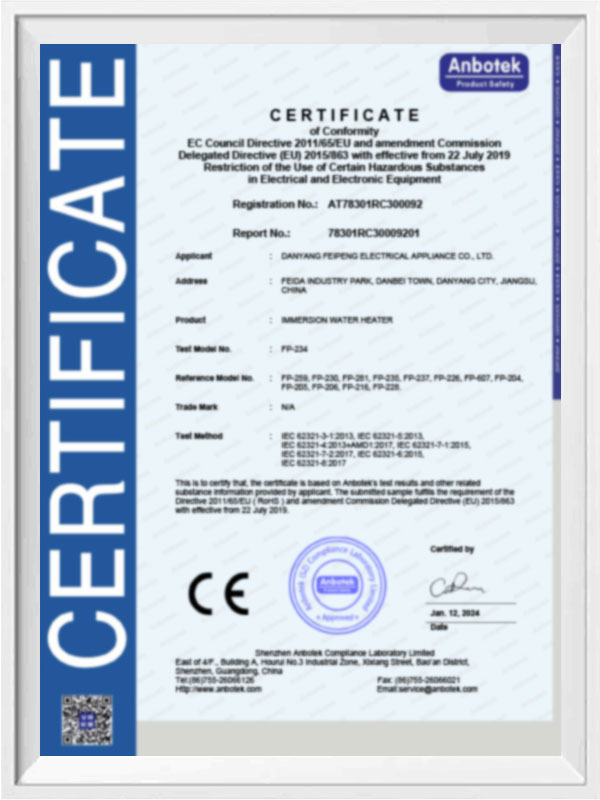
Outdoor extension cords undergo rigorous testing to ensure safety and reliability. Tests include water exposure, UV resistance, temperature cycling, and mechanical stress evaluations. These simulations reflect real-world outdoor conditions. Danyang Feipeng Electrical Appliance Co., Ltd. utilizes both its laboratory and integrated assembly line to conduct these tests, ensuring cords meet international safety standards while maintaining durability and electrical performance over time.
Practical Implications for Consumers
Selecting the correct type of extension cord is crucial for both safety and functionality. Using an indoor household cord outdoors can lead to insulation failure, short circuits, or electric shock. Conversely, outdoor cords can be safely used indoors but may be heavier or less flexible than necessary. Danyang Feipeng offers a variety of extension cords designed to suit both indoor and outdoor applications, emphasizing safety, durability, and long-term usability.
FAQ
Q: What safety considerations are unique to outdoor extension cords compared to indoor cords?
A: Outdoor extension cords are designed to handle moisture, UV exposure, and temperature variations. They often include grounding, anti-electric shock features, and weather-resistant insulation. Danyang Feipeng Electrical Appliance Co., Ltd. ensures that its outdoor cords are rigorously tested for environmental resilience and electrical safety, providing reliable performance in gardens, patios, or construction sites.
Q: How does insulation material affect the performance of outdoor extension cords?
A: Outdoor cords require thicker and more durable insulation to resist abrasion, moisture, and chemical exposure. Materials like thermoplastic elastomers or reinforced PVC enhance durability while maintaining flexibility. Danyang Feipeng leverages over 30 years of experience to select and test materials that maintain safety and longevity under outdoor conditions.
Q: Can outdoor extension cords support high-demand appliances safely?
A: Yes, properly rated outdoor cords use heavier gauge wires to handle high-current devices such as power tools, heaters, or outdoor lighting. Danyang Feipeng designs its cords with appropriate conductor sizing and integrates overload and short-circuit protection to ensure safe operation under high-demand usage.
Q: How is weather resistance evaluated in outdoor extension cords?
A: Testing includes UV exposure, water immersion, temperature cycling, and mechanical stress assessments. These tests simulate real-world outdoor conditions to verify that insulation, plugs, and connectors maintain integrity. Danyang Feipeng performs comprehensive laboratory testing to ensure that each cord meets or exceeds required safety standards.
Q: What design features help prevent electric shock in outdoor extension cords?
A: Safety features include insulated sleeves, shuttered or polarized plugs, and grounding pathways. These measures reduce the risk of accidental contact with live parts and ensure user protection even in damp or wet conditions. Danyang Feipeng integrates these elements into its smart manufacturing process to enhance reliability and compliance with international standards.
Q: How does flexibility and mechanical durability impact outdoor extension cord usability?
A: Outdoor cords must be flexible enough for easy handling while being strong enough to resist kinking, bending, and abrasion from rough surfaces. Danyang Feipeng evaluates bend resistance and tensile strength to produce cords that maintain usability and safety even under frequent outdoor use.
Q: Can outdoor extension cords be customized for specific applications?
A: Yes, cords can be tailored in length, wire gauge, plug type, and protective features based on user needs. Danyang Feipeng offers customization to meet diverse requirements for residential, commercial, and industrial applications, ensuring both safety and operational efficiency.
