


 English
 русский
 Español
 عربى
عربى
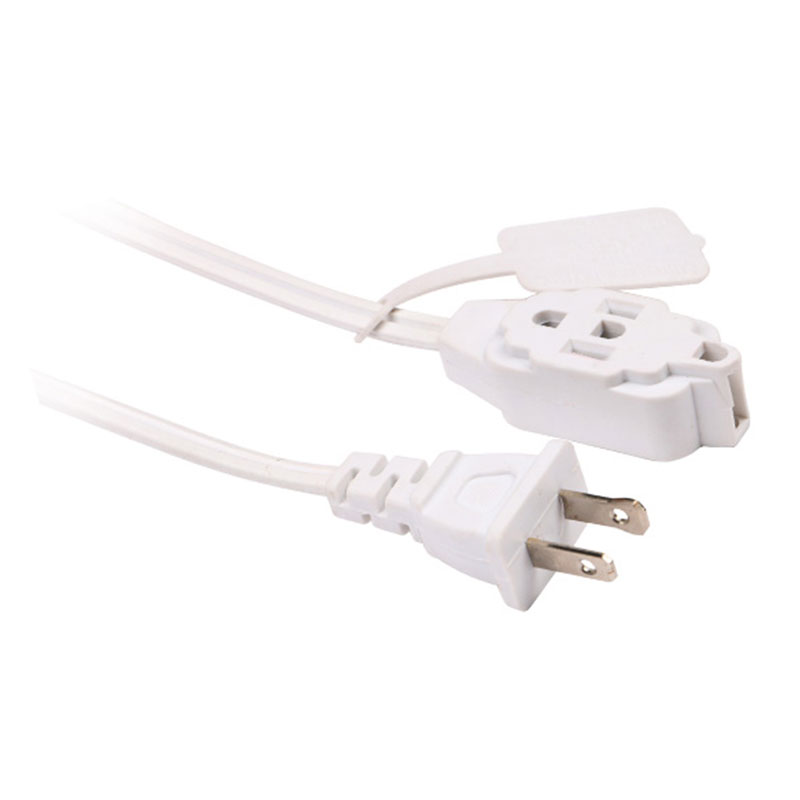
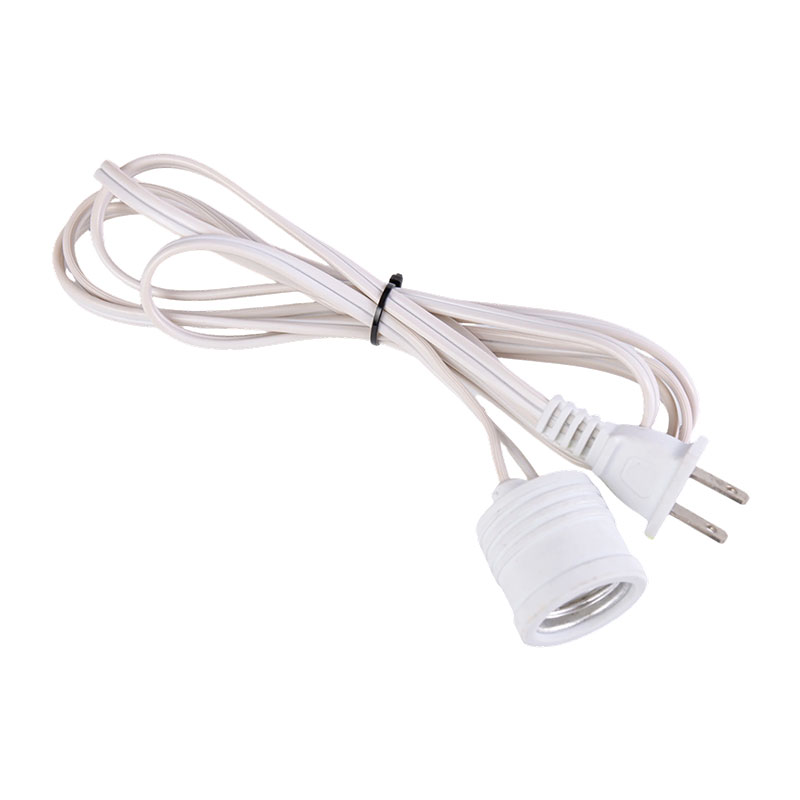
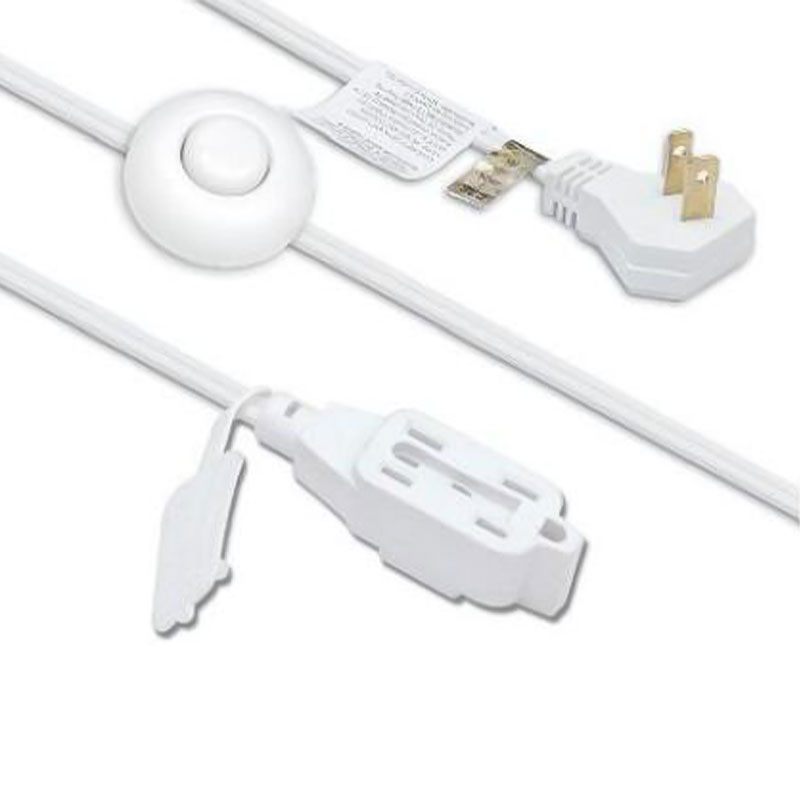
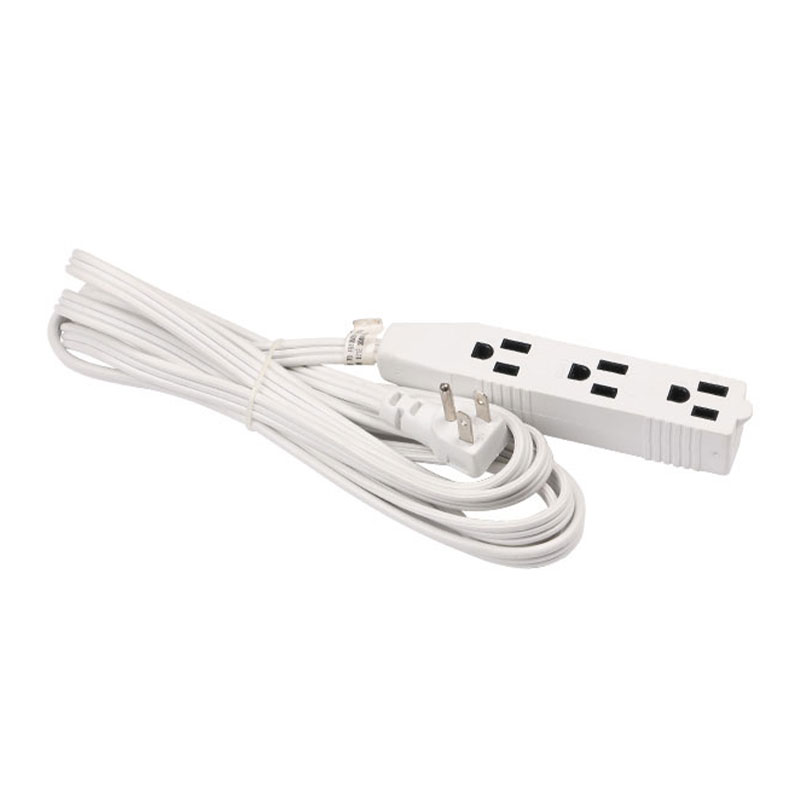
Evaluating Flexibility, Bend Resistance, and Tensile Strength of Household Extension Cord Cables
Importance of Mechanical Properties in Extension Cords
Household extension cords are subject to frequent handling, bending, and stretching, which can impact their longevity and safety. Evaluating flexibility, bend resistance, and tensile strength is critical to ensure that the cable maintains electrical integrity and prevents hazards such as wire breakage, short circuits, or overheating. Danyang Feipeng Electrical Appliance Co., Ltd., with over 30 years of experience in power cords, applies systematic testing and material optimization to produce cords that are suitable for daily household use.
Flexibility Assessment
Flexibility refers to the ability of a cable to bend easily without causing internal damage to the conductors or insulation. It is commonly evaluated by repeatedly bending the cable around a fixed radius and observing any signs of cracking, kinking, or permanent deformation. Materials such as soft PVC, thermoplastic elastomers, or rubber-like compounds are used to improve flexibility. Danyang Feipeng ensures that the selected insulation materials provide consistent flexibility across temperature variations and repeated use cycles.
Bend Resistance Evaluation
Bend resistance measures how well the cable withstands repeated bending or flexing without structural or functional degradation. Standardized tests simulate long-term use by repeatedly bending the cable at different angles and radii to mimic household handling scenarios. Cables that maintain conductor integrity and insulation performance after multiple cycles demonstrate sufficient bend resistance. At Danyang Feipeng, production lines incorporate quality control measures to verify bend resistance before packaging.
Tensile Strength Testing
Tensile strength indicates the maximum pulling force a cable can withstand before the conductor or insulation fails. It is evaluated using mechanical testing machines that gradually increase tension on a cable sample until failure occurs. Higher tensile strength is particularly important for household extension cords that may be pulled across rooms or around furniture. Danyang Feipeng’s laboratory uses precise testing equipment to determine tensile strength, ensuring cords meet both safety and functional requirements.
Material and Construction Considerations
The conductor material, insulation type, and overall construction of the cable significantly influence mechanical properties. Copper conductors provide both electrical conductivity and ductility, which enhances bend and tensile performance. Multi-stranded wires are often preferred over solid wires for increased flexibility. Insulation layers must be resilient and durable to prevent cracking or splitting during bending. Danyang Feipeng integrates these design considerations into its smart manufacturing process to produce reliable extension cords.
| Property | Evaluation Method | Impact on Performance |
| Flexibility | Repeated bending around a fixed radius | Ensures ease of handling without conductor damage |
| Bend Resistance | Simulated repeated flexing at different angles | Maintains cable integrity during long-term use |
| Tensile Strength | Gradual mechanical pulling until failure | Prevents cable breakage under stress or pulling |
| Material Quality | Copper conductors, soft insulation | Enhances overall mechanical performance and durability |
Quality Control and Manufacturing Practices
High-quality household extension cords require rigorous quality control throughout production. Danyang Feipeng Electrical Appliance Co., Ltd. combines an integrated assembly line with laboratory testing to evaluate flexibility, bend resistance, and tensile strength at multiple stages. This ensures that finished products meet both domestic and international safety standards, providing consistent performance and durability in real-world household applications.
Benefits of Evaluating Mechanical Properties
By thoroughly assessing flexibility, bend resistance, and tensile strength, manufacturers can reduce failures, extend the service life of extension cords, and enhance user safety. Properly designed cords are easier to handle, less prone to internal wire damage, and capable of withstanding the stresses of daily household use. Danyang Feipeng’s focus on R&D and precision manufacturing ensures that these mechanical properties are optimized for both performance and reliability.
FAQ
Q: How can users ensure the durability of a household extension cord in everyday use?
A: Durability depends on factors such as the quality of the conductor, insulation material, and the cord's flexibility. Extension cords from manufacturers like Danyang Feipeng Electrical Appliance Co., Ltd. are designed with high-quality copper conductors and multi-layer insulation to withstand repeated bending, pulling, and household handling without compromising performance.
Q: What safety features should a household extension cord include to prevent electrical hazards?
A: Household extension cords may include grounding, overload protection, short-circuit prevention, and anti-electric shock features. Danyang Feipeng integrates these safety elements in compliance with relevant standards, ensuring that cords protect both users and connected appliances during routine use.
Q: How does wire gauge affect the performance of a household extension cord?
A: The wire gauge determines the current-carrying capacity and resistance of the cord. Thicker conductors handle higher loads and reduce the risk of overheating. Danyang Feipeng manufactures cords with carefully selected gauges suitable for various household applications, ensuring both safety and efficiency.
Q: Can household extension cords be adapted for specialized appliances or high-demand equipment?
A: Yes, cords can be customized in length, wire gauge, plug type, and protective features to suit high-demand appliances such as immersion water heaters or power tools. Danyang Feipeng’s R&D and production capabilities allow them to provide tailored solutions for different household and industrial requirements.
Q: How is flexibility and bend resistance tested in household extension cords?
A: Flexibility and bend resistance are evaluated by repeatedly bending the cord at specific radii and angles to simulate real-world usage. This ensures the insulation and conductors maintain integrity over time. Danyang Feipeng conducts such tests in its laboratory and integrated assembly line to ensure consistent quality.
Q: How does the insulation material influence the lifespan of a household extension cord?
A: Insulation protects conductors from mechanical damage, heat, and moisture. High-quality insulation materials prevent cracks, splits, and wear during frequent use. Danyang Feipeng selects materials that combine durability, flexibility, and heat resistance to maximize the service life of their extension cords.
Q: What maintenance practices can extend the usability of household extension cords?
A: Regular inspection for visible damage, avoiding overloading, proper storage to prevent kinks or twisting, and keeping the cord away from heat sources help extend its lifespan. Manufacturers like Danyang Feipeng recommend following usage guidelines to maintain safety and performance over time.
