


 English
 русский
 Español
 عربى
عربى
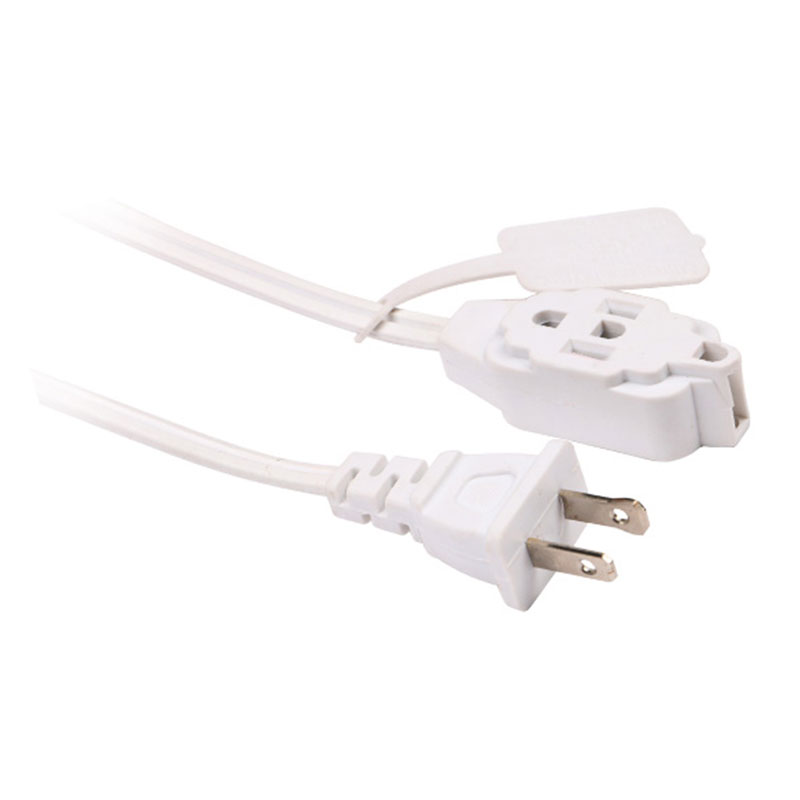
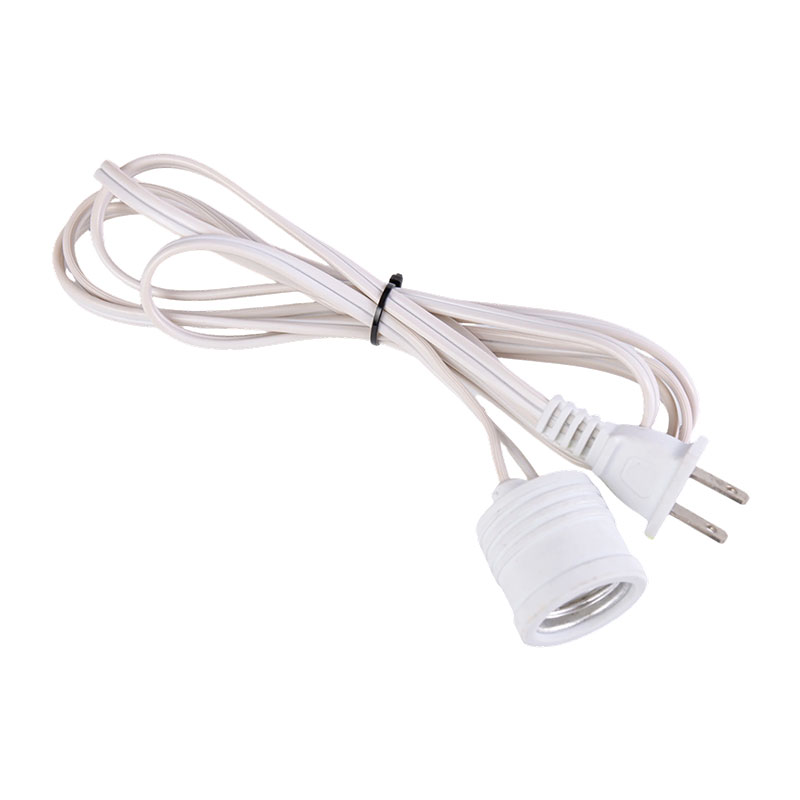
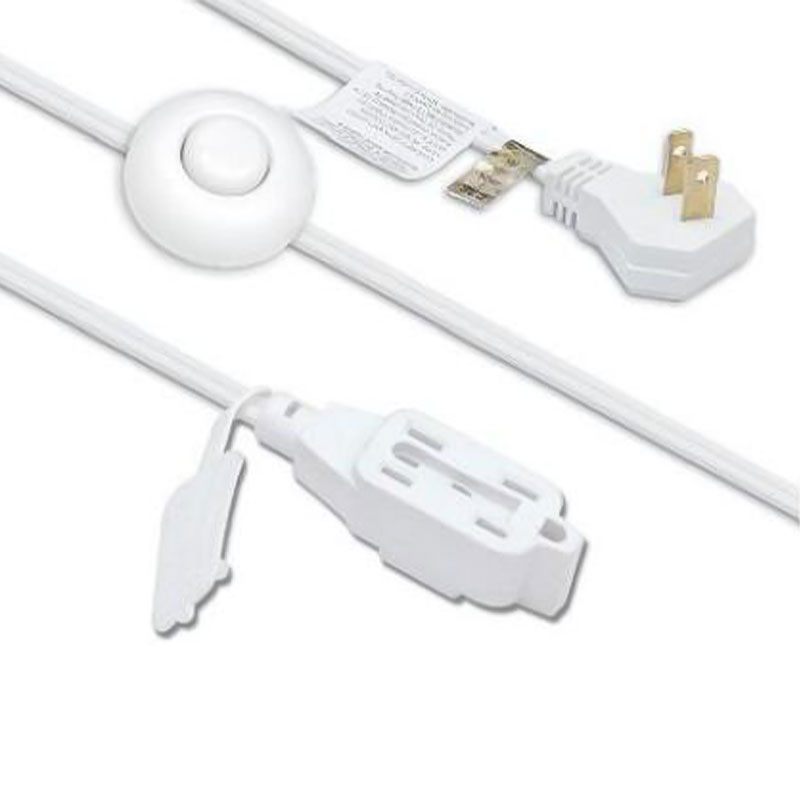
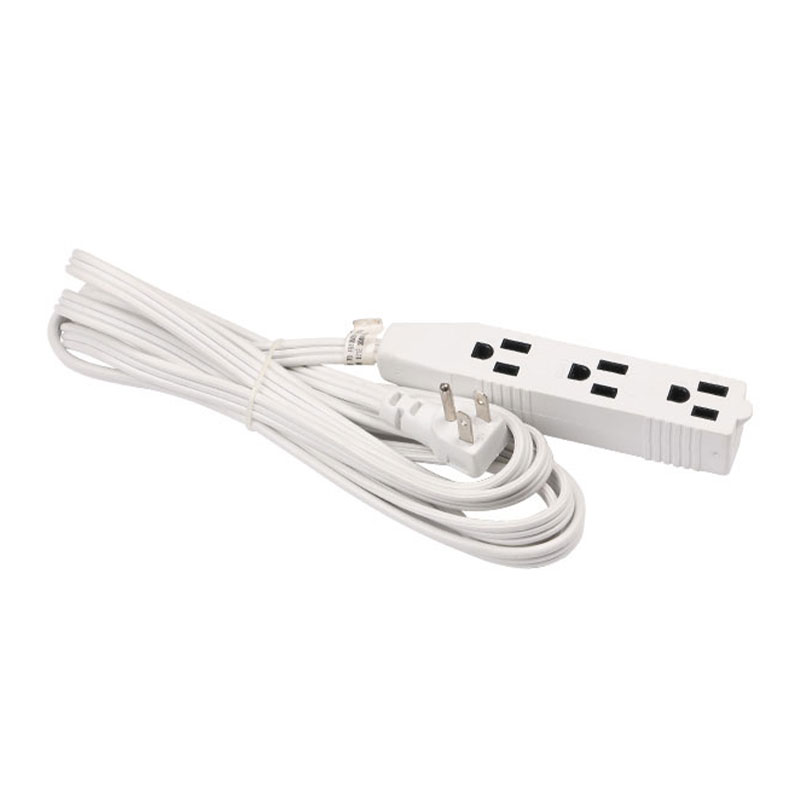
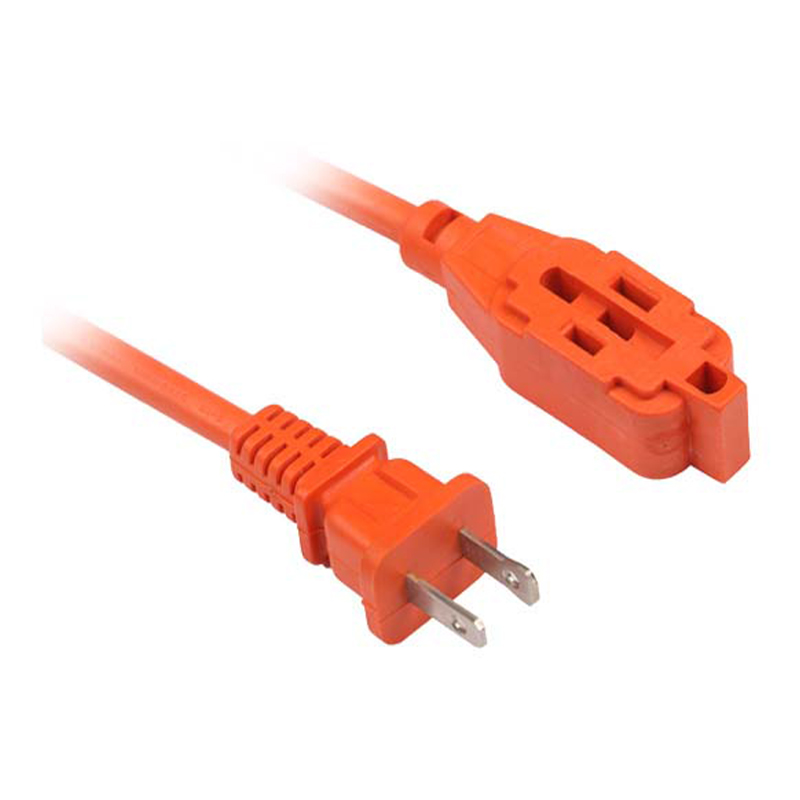
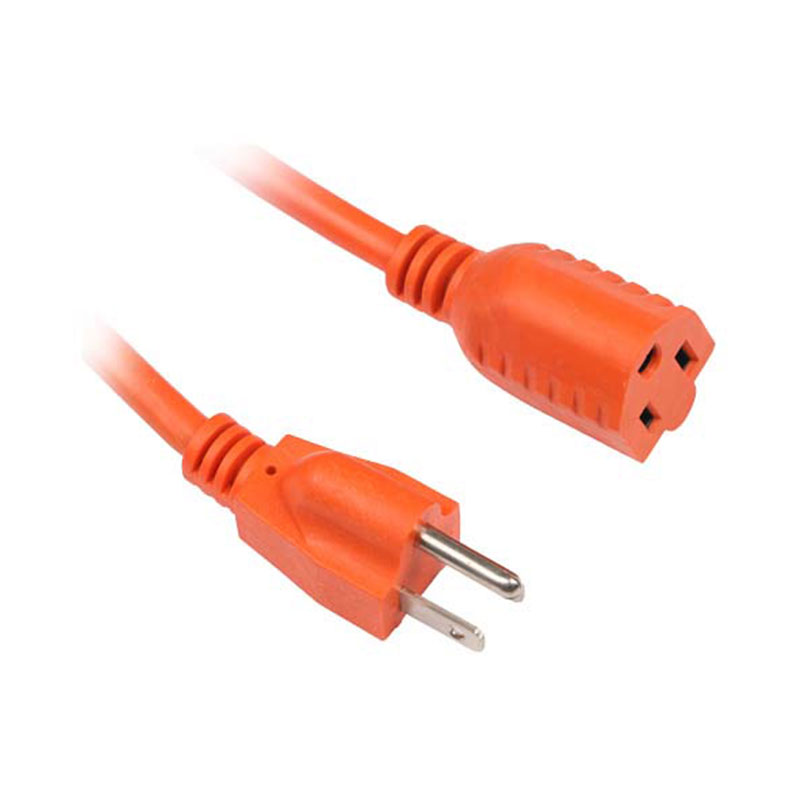
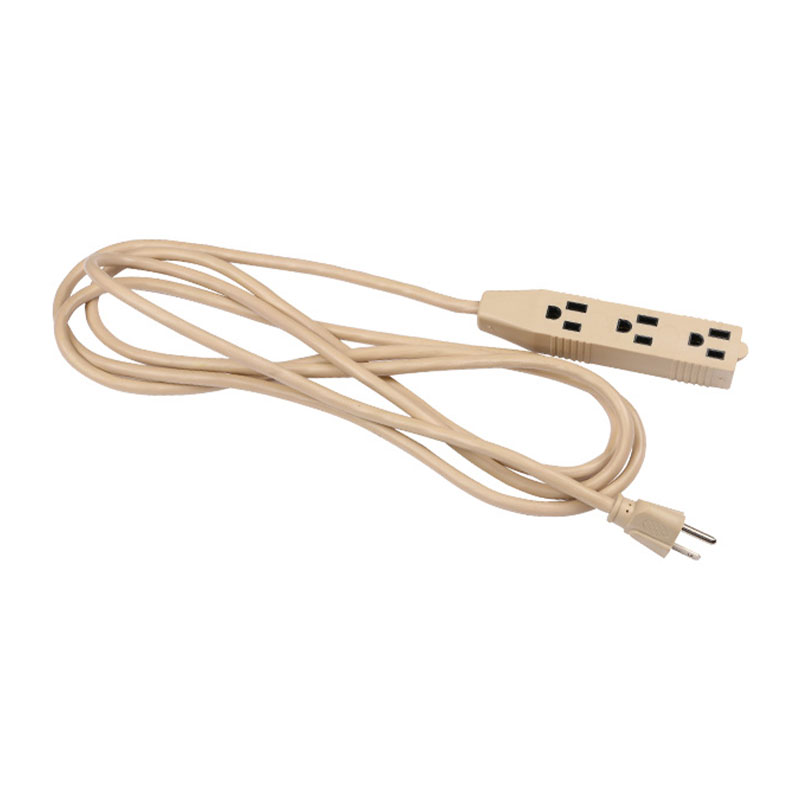
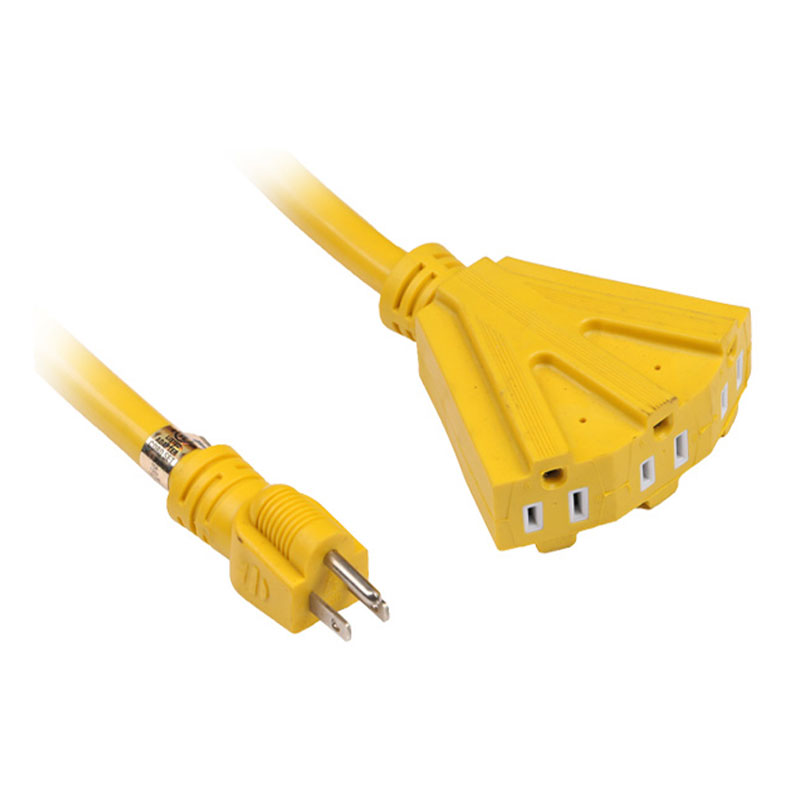
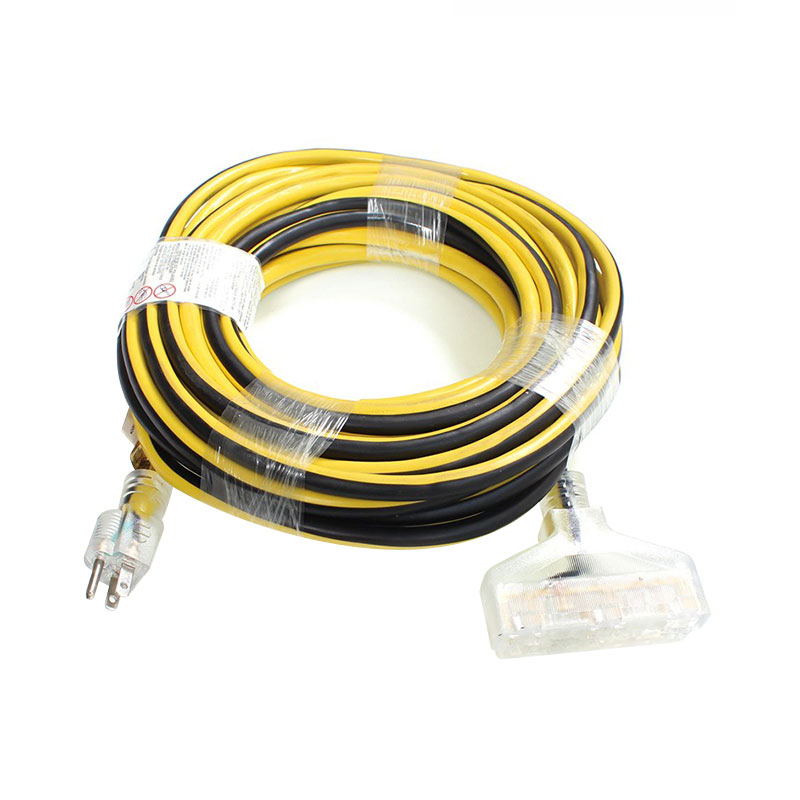

Overload and Short-Circuit Protection in American Standard Extension Cords
The Importance of Electrical Safety in Extension Cords
Extension cords are widely used in homes, offices, and industrial settings to provide temporary or flexible electrical connections. Ensuring the safety of these cords is critical, especially when they are handling high loads or used for sensitive equipment. American standard extension cords are designed to meet specific safety standards, which may include features such as overload protection and short-circuit safeguards to prevent damage to connected devices and reduce fire risks. Manufacturers like Danyang Feipeng Electrical Appliance Co., Ltd., with decades of experience in power cords and immersion heating equipment, focus on designing products that comply with safety regulations while providing reliable performance.
Overload Protection Mechanisms
Overload occurs when the current flowing through an extension cord exceeds its rated capacity. To address this, some American standard extension cords integrate thermal fuses, resettable circuit breakers, or internal overload protection devices. These mechanisms detect excessive current and interrupt the electrical flow before the cord or connected devices can be damaged. For a company with strong research and development capabilities like Danyang Feipeng, the implementation of such protection involves careful material selection, precise assembly, and rigorous testing to ensure consistency and reliability in real-world usage.
Short-Circuit Protection Features
Short-circuits happen when an unintended connection between the live and neutral wires occurs, causing a surge of current that can be hazardous. American standard extension cords designed for safety often include integrated circuit breakers or fuses to quickly disconnect the power in the event of a short-circuit. This minimizes the risk of fire, electrical shock, and equipment damage. High-quality manufacturing and testing ensure that these protection features activate reliably under various electrical conditions.
Material and Design Considerations for Safety
The insulation and conductive materials used in extension cords directly influence their safety performance. Copper or copper-clad conductors are typically used for optimal conductivity and heat resistance, while multi-layered insulation helps contain potential faults and resist wear. For Danyang Feipeng Electrical Appliance Co., Ltd., the production of American standard power cords involves selecting materials that balance flexibility, durability, and thermal resistance, while integrating protective components such as circuit breakers or fuses effectively.
Comparison of Protected vs. Unprotected Extension Cords
| Feature | Standard Extension Cord | American Standard Extension Cord with Protection |
| Overload Protection | None or limited | Thermal fuse or resettable breaker |
| Short-Circuit Protection | None | Internal fuse or circuit breaker |
| Material | Basic insulation | High-quality insulation and copper conductor |
| Risk Level | Higher risk of overheating or fire | Lower risk due to integrated protective devices |
Testing and Quality Assurance
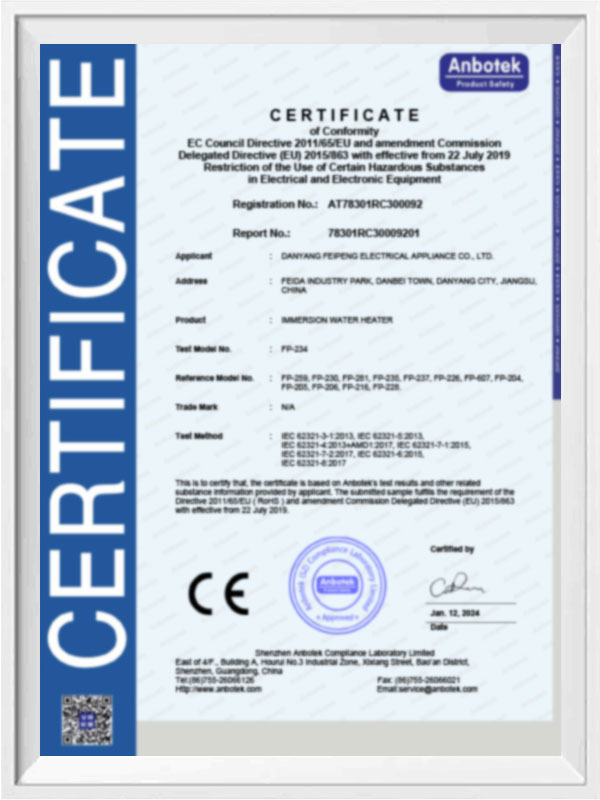
Reliable protection features depend on thorough testing during production. Extension cords must be subjected to current overload tests, insulation resistance tests, and short-circuit simulations to confirm that the protective mechanisms function correctly. Danyang Feipeng Electrical Appliance Co., Ltd. operates a dedicated laboratory and production lines that integrate testing at multiple stages, ensuring that each cord meets American safety standards and performs consistently in real-world scenarios.
Benefits of Using Protected American Standard Extension Cords
Using extension cords with integrated overload and short-circuit protection provides multiple advantages. It reduces the risk of electrical hazards, protects connected devices, and enhances user confidence in the reliability of the cord. In industrial and home environments, this leads to fewer interruptions, lower maintenance costs, and safer operational conditions. For global customers, Danyang Feipeng emphasizes producing cords that align with these safety expectations while delivering consistent quality through advanced manufacturing processes.
Conclusion on Safe Design Practices
Designing American standard extension cords with overload and short-circuit protection requires careful attention to materials, manufacturing precision, and integrated safety components. Companies like Danyang Feipeng Electrical Appliance Co., Ltd., with over 30 years of experience, combine R&D expertise with mature production and quality control systems to produce extension cords that meet both regulatory requirements and practical safety needs. By prioritizing protection mechanisms, these extension cords provide safer, more reliable performance for a wide range of applications.
FAQ
Q: How does an American standard extension cord handle overload situations?
A: Many American standard extension cords include thermal fuses or resettable circuit breakers that interrupt current flow when it exceeds the rated capacity. This feature prevents overheating, protects connected devices, and reduces the risk of fire. Manufacturers like Danyang Feipeng Electrical Appliance Co., Ltd. ensure these protective components are rigorously tested for reliability under different load conditions.
Q: What materials contribute to the durability and safety of an American standard extension cord?
A: High-quality copper conductors and multi-layered insulation are commonly used to improve conductivity, resist heat, and prevent electrical leakage. Danyang Feipeng Electrical Appliance Co., Ltd. applies its expertise in material selection to balance flexibility, wear resistance, and thermal performance in its power cords.
Q: Can American standard extension cords be customized for specific industrial or household applications?
A: Yes, extension cords can be tailored in length, wire gauge, plug type, and protective features such as surge or short-circuit protection. Companies like Danyang Feipeng offer customization that aligns with client requirements for smart manufacturing, industrial use, or home safety needs.
Q: How do short-circuit protection mechanisms work in American standard extension cords?
A: Short-circuit protection typically involves fuses or circuit breakers that immediately cut off the electrical flow when a sudden surge or unintended connection occurs. This protects both the cord and connected equipment. Danyang Feipeng incorporates these features in production to ensure compliance with safety standards and operational reliability.
Q: What testing procedures ensure the safety of American standard extension cords?
A: Safety testing includes overload simulation, insulation resistance measurement, temperature rise testing, and durability evaluation of plugs and connectors. Danyang Feipeng operates a dedicated laboratory and integrated assembly line to perform these tests consistently, ensuring that each cord meets national and international safety standards.
Q: How does the design of the plug and socket affect the performance of an American standard extension cord?
A: Plug and socket design influences electrical contact stability, heat dissipation, and mechanical durability. Well-designed connectors reduce the risk of arcing, overheating, and wear. Danyang Feipeng leverages decades of experience in precision manufacturing to produce connectors that maintain reliable performance even under frequent use.
Q: Are American standard extension cords suitable for high-demand appliances?
A: When designed with appropriate wire gauge, insulation, and overload protection, these extension cords can safely handle high-demand appliances such as heaters, immersion water heaters, and power tools. Danyang Feipeng integrates smart manufacturing practices to ensure their cords meet the electrical requirements of both industrial and household equipment.
